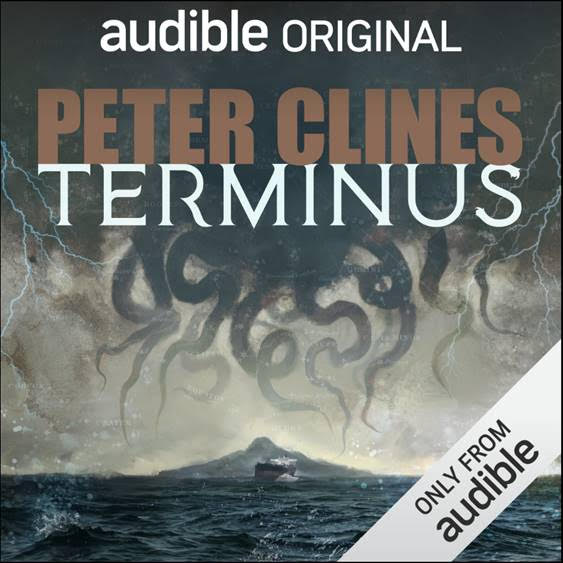
Another six… okay seven months have passed us by and I promised I’d update this when there’s more news soooooooo….  Updates!
One element of almost semi-famous authordom on social media is questions. I generally like questions and  interacting with folks. But a lot of these questions come up frequently  You could even call them… frequently asked questions. This is less fun and cool. Sad truth is it gets exhausting (and kinda frustrating) to answer the same questions again and again and again.

(And before you panic, person who probably asked a question yesterday, no, I’m not singling you out. You just did it this one time without thinking. You’re good) 

(For now)

Anyway… this is me continuing the somewhat futile practice of scribbling up answers to a dozen of the most common questions I’ve been getting lately. Then when people ask me those questions (again!) I can just say “hey, check out the FAQ pinned at the top of the page!”
Or maybe I won’t say anything, cause at this point… I mean, there’s an FAQ pinned right at the top of the page. And several dozen interviews floating around the web. Plus a bunch of books I wrote. Most of the answers are already out there.

(if your teacher’s making you ask an author a bunch of questions… just give them a link to this)

1) When are we going to see something new?
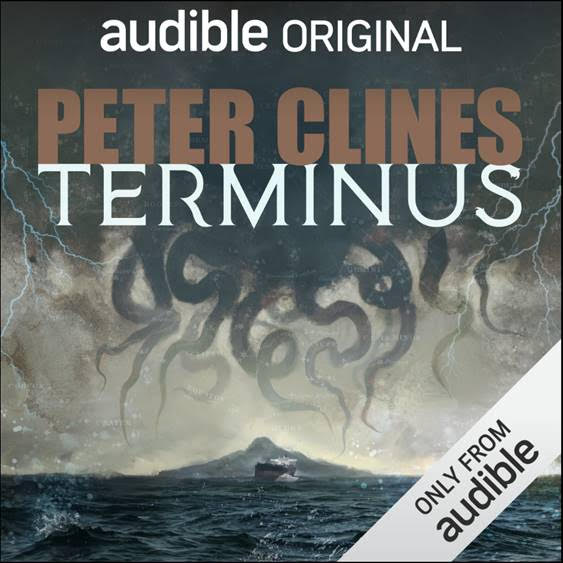
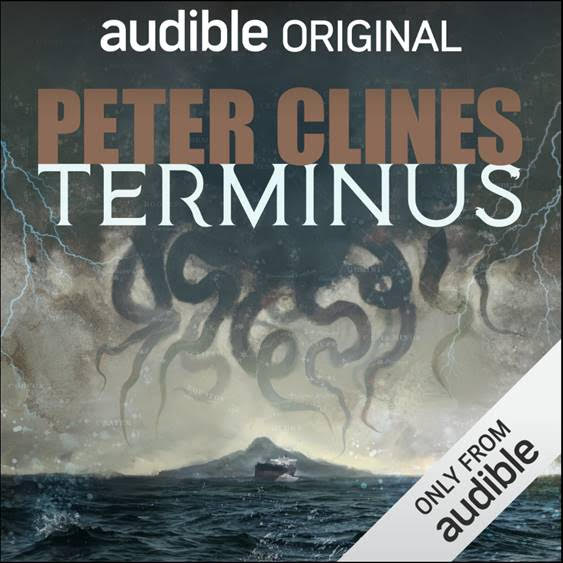
Seriously? It’s barely been two weeks since Terminuscame out. Enjoy it for a minute…
But, yeah, hopefully you’ve all found Terminus and enjoyed it. For those of you who don’t do audiobooks, for whatever reason, I should have at least an ebook version out in six months so… very early August. Possibly late July, if I’m super on the ball, but we’ll see. I think the Dead Moon ebook was a week or three past the end-of-exclusivity date.

I’m also looking at bringing one or two other things to ebook (at least) that have been kinda out of wider circulation for a bit. News on that as they get more solid/ closer.

Past that… we’re  a little bit in the wild west right now. I’ve got a few things I’m working on, but nothing that’s been sold or I can really talk about right now. So the next few months might be a little quiet in that sense. I’ll try to let everyone know about things when I can and well… when  I redo this later in the summer I may have a lot more to say.

2) Wait, no paper version of Dead Moon OR Terminus?
At the moment I’d have to answer that with “no.” There’s a couple of different reasons for it, and most of them involve assorted business things I’d rather not get into right now. There’s a chance both books may still become available, but for the foreseeable future Dead Moon’s just going to be ebook alongside the audio.  Sorry. And I don’t know for sure about Terminus yet, but it’s looking that way.

3) Okay, can you explain the whole “Threshold” series?
Threshold is the brand name/ umbrella label for the shared universe I kinda-sorta inadvertently kicked off seven years ago with 14.  There are some books that are definitely part of an overall linear story, a “series” if you will, and some that just fall under the umbrella.  Lots of Stephen King books tie into the Dark Towermythology, but they’re not all part of the Dark Tower series.  Does that make sense?
And, yes, this does make things a bit awkward, because I know in the past the marketing folks reeeeeaally pushed Threshold as a pure, straightforward series (Book One, Book Two, etc), even though I’ve said several times that it isn’t. This may give some people false expectations for what some books will be about, and I apologize if that’s you. I’m doing my best to make the books as great as they can be, and hopefully you won’t be too bothered that maybe you went in thinking this was going to be a fourth season of Trollhunters when it had always been a third season of 3 Below.  Again, if that makes sense.
4) So how does Dead Moon fit into the Threshold series?
As it happens, I wrote a whole book explaining this called Dead Moon.  Also check out #3 up above.
5) Why do you keep doing all these “Audible exclusives” ?
Well, I’ve done two. And there’s a very solid argument to be made that the majority of my fanbase is audiobook listeners. Audible knows this, too, and so when they heard about Dead Moon and Terminusthey made me an extremely generous offer for exclusive rights, meaning both of them would be audiobook only for the first six months they’re out. 
Yes, I know this makes some of you grind your teeth. I’m sorry if you’re not an audiobook listener (for whatever reason) and this leaves you out of the loop for a bit. My agent and I talked about it a lot and the pros and cons of doing it. In the end, I really wanted to tell these stories and this was the best way to do it. Again, I’m sorry if this puts you in a bad spot.

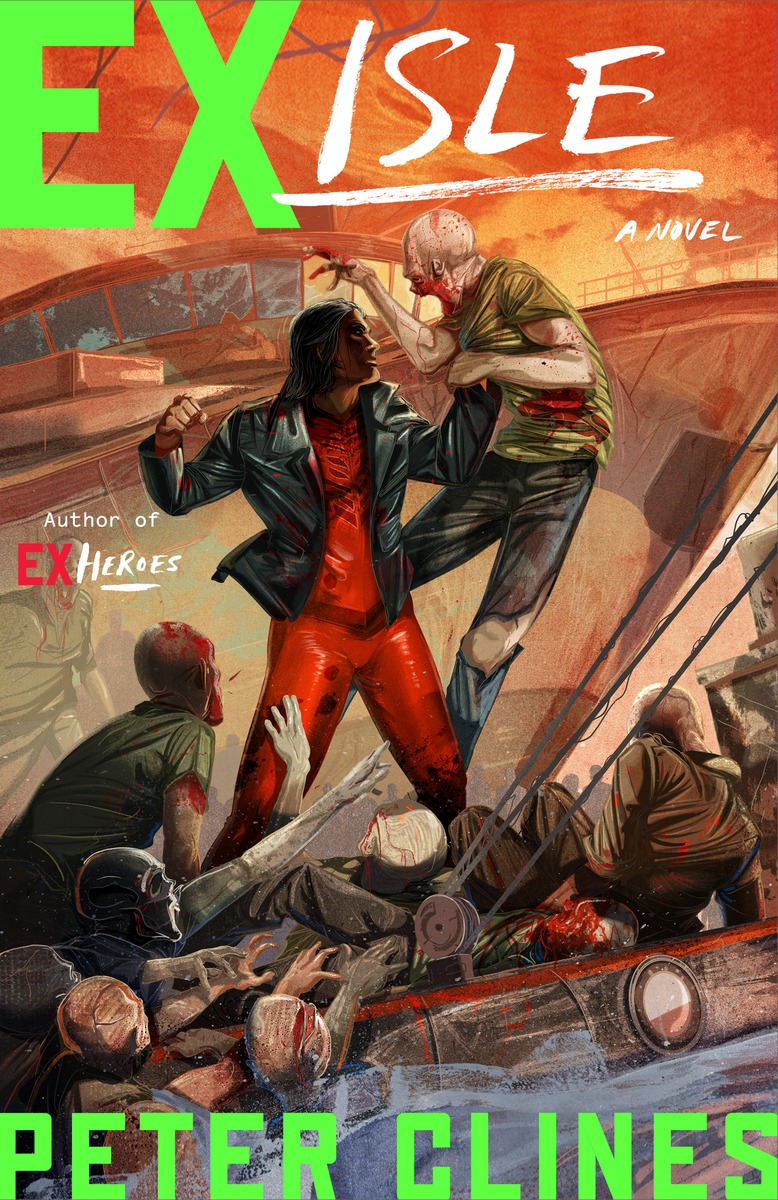
6) Is Ex-Isle the last Ex book?

Not absolutely 100% sure, but for now, yeah, Ex-Tensionis going to stay on that back burner.  Sorry.

The truth is, every series has a limited life. Book one always sells the best, not as many people show up for book two, even less show up for book three, and so on. Something may happen to give book one a boost (and all the other books after it) but they’re still all going to be on a near-constant downward slope heading for that red line where things aren’t profitable. None of the Ex-Heroes books ever lost money (thank you all for that), but they were on that slope and when the publisher started looking ahead to book six… that red line was pretty much unavoidable.
7) Have you considered a Kickstarter or a GoFundme?
I have and the answer’s no, sorry. 
I love these books. I had tons of fun writing them. I’m still amazed there are so many fans who feel so passionately about them. But the math is pretty simple—if enough people were willing to pay for another book, the publisher would be willing to put out another book. All the numbers say that’s just not the case. Sure, some of you might be willing to pay twice as much to a Kickstarter for one more book, but I think we can all agree there’s at least as many people (probably more) who wouldn’t pay anything. Again, the math just doesn’t work out.
Plus, I already have a pretty good idea what I’m working on into 2021 at this point. Doing a crowdfunded project means I have to schedule things as if it’s going to succeed, which means neglecting a lot of those other projects.

Again, sorry.

8) Do you make more money if I buy one of your books in a certain format?
I know this sounds like an easy question, but there’s about a dozen conditionals to any answer I give.  Figure a huge chunk of each contract is just all the different terms and conditions for when and if and how people get paid.

For example… format matters, sure, but so does whereyou bought the book.  And when.  And how many people bought it before you. And if it was on sale. And who was actually holding the sale.  And all of this changes in every contract.  What’s true for, say, The Fold may not be true for Paradox Bound.
TL;DR—just buy the format you like.
9) Do you have any plans to attend ########-Con?
As I write this, my con schedule for 2020 includes WonderCon, Denver Pop Culture Con, and SDCC. There still may be one or two getting added to that list over the next few weeks—we’ll all find out together.
If you want to see me at your local con, let them know! Yeah, them, not me. I’m willing to go almost anywhere I’m invited, but… if I’m not invited, there’s just not much I can do.  So, email them, tweet them, post on their Instagram account. Reach out and let your voice be heard.
Also, please keep in mind, most cons finalize their guest list five or six months in advance. If your local con’s in three weeks… the odds are not in our favor. Sorry.

10) When are you going to make a movie/ TV series/ graphic novel/ video game of your books?
Okay, there’s a misunderstanding of how Hollywoodworks in this sort of question.  When we see a film adaptation or TV series, it means the studio went to the writer, not the other way around.  I have pretty much zero influence on Netflix making a Paradox Bound series or the Hallmark Channel doing a Lycanthrope Robinson Crusoe movie. I mean, if it was just about writers saying “hey, make this into a movie,” wouldn’t most books be adapted by now? Everybody’d be doing it. 

11) Well, is there anything we can do to help?
Buying books is always a good step.  Hollywoodlikes to see big sales numbers and interest.  If you want to see something—anything—on the air, talk about it a lot on social media. And write reviews. Producers/ directors/ actors all hear about this stuff the same way you do. If #Terminus or #ParadoxBound start trending on Twitter tomorrow, there’ll probably be a film deal within a week.

(easy way to do this?  Don’t buy books from Amazon if you can avoid it. Write reviews there, sure, absolutely, but Amazon gets iffy with sales figures, so they don’t get included in a lot of bestsellers lists. Yeah, a pre-order or purchase from your local bookstore might cost a buck or three more, but it’s a purchase Hollywood’s much more likely to see)
(Plus, now you’re one of those awesome people supporting local businesses. Be awesome)
12) Why don’t you like people talking about your books?
I’m thrilled and amazed people talk about anything I wrote. Seriously. What I can’t stand are people who blurt out spoilers that can ruin these stories for other people. It’s why I avoid those questions in interviews, ignore them on Twitter, and why—where I can—I delete posts that reveal things from a book.

And not just my stories! You shouldn’t mess up other stories, either. Movies, TV—I’m just saying, if you enjoyed it spoiler-free, why not try to give other people a chance to enjoy it the same way? I still haven’t watched the last season of Game of Thrones or Doctor Who, dammit!

13) Will you read my story and tell me what you think?
Short answer… no. 

Long answer… if I say yes to some folks, in the spirit of fairness I have to say yes to everyone. Now I’m spending all my time reading and doing critiques instead of writing.  I don’t want sound mercenary, but… writing is how I pay my mortgage. So when somebody asks me to read stuff, they’re asking me to give up a few hours of work. Plus, I do have this ranty writing blog sitting, yknow, right here with over a decade of advice and tips.

Also… some folks are lawsuit-crazy, and the bad ones ruin it for everyone else. Somebody shows me a piece of bland, generic fanfic and a few years from now they sue me for stealing “their ideas“. Yeah, I know that sounds stupid, but I’ve been subpoenaed and deposed for lawsuits with less behind them than that. It’s why I’m verrrry leery when I get a long message along the lines of “You know what you should really do next with the people from 14…”  Heck, some writers respond with smackdowns or even cease & desist orders when they get sent stuff like this.  

And if you send stuff without asking, I’ll delete it unread, just like spam mail. Sorry.

14) What’s up with yo—wait, foureen? Didn’t you say top twelve?
What are you, the number police?
15) What’s up with your Facebook page?
Ahhhhh, Facebook. Where we’re the consumer and the product. Just like Soylent Green.
Simple truth is, Facebook made it pretty much pointless for me to have a fan page there.  They’ve drastically altered their algorithms over the years so my posts there have gone from 70-85% engagement to barely scraping 10-15% most of the time. Why? Well, so I’d pay to reach people who’ve already said they want to see my posts. Which I wouldn’t do because folks pretty conclusively proved years ago that paying for views on Facebook actually decreases your reach. No, seriously. It does.
And yeah, sure–it’s their site.  They can do whatever they want with it and run it the way they like.  And yeah they absolutely deserve to make money off it.  I’m a progressive, but I still believe in (regulated) capitalism.
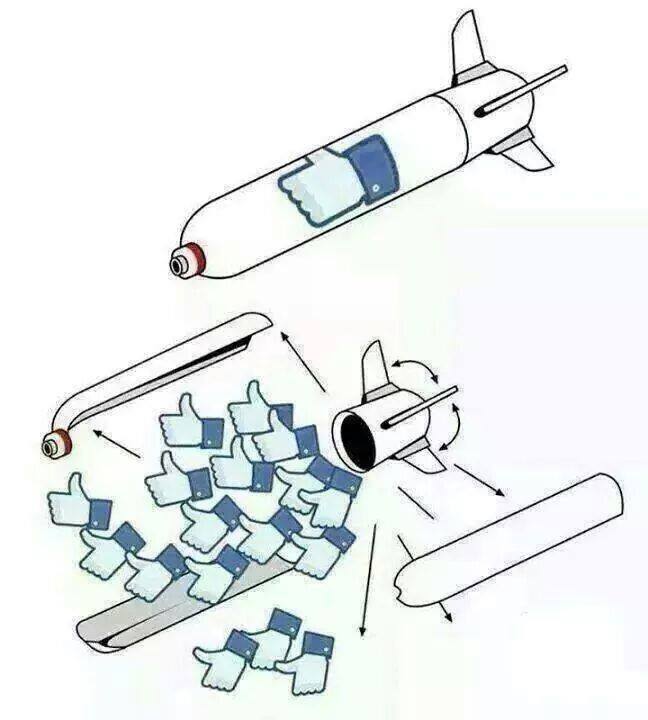
But then that brings us to all of Facebook’s little side ventures. Collecting countless amounts of personal data. The spread of misinformation. Social engineering on unwitting subjects… which has led to more than a few deaths. If you think I’m exaggerating, look up articles about how Facebook shaped perceptions or spread propaganda in Myanmaror Sri Lanka. And these aren’t fringe articles—they’re from major news sites. Do you know how many Facebook fact checkers have quit—internationally—because Facebook won’t actually let them check facts? They’re told again and again to let lies and falsehoods stand because of who’s posting them.

So I’ve quit Facebook. Deleted my personal account, which means the fan page is cut loose with no administrator. I think this FAQ will be the last thing I post there.
16) What about Twitter or Instagram?
I’m @PeterClines on both. Fair warning–as some of you may have figured out, I’m progressive and I’m a bit more political on Twitter. Most Saturdays I also drink and live-tweet bad B-movies so…  don’t say you didn’t know what you were getting into. I’ll also say right up front I don’t believe in Twitter high school, where I’m supposed to follow someone just because they followed me. So if that’s your approach, I’ll save you time now…
Instagram is probably the geekiest of  my social medias. How is that possible, you ask?  Well, there’s little toy soldiers, LEGO, classic toys. And cats. Can’t have an Instagram account without cats. Sometimes these things mix.
Yeah, I know Instagram’s also owned by Facebook, but (for the moment) they’re not being quite so reprehensible over there.  So (also for the moment) I’ll still be there.

And I think that should answer about 90% of your questions, yes…?

February 6, 2020

Vocabulary Time Again…

Holy crap this is post #600 here on the ranty blog. Six. Hundred. Take that, some other blog with less posts.

Anyway, we’re overdue to discuss that most favorite of topics… spelling. I know it seems silly that I keep revisiting this again and again.  But there’s a reason for it–I’ve simply got to have a solid vocabulary if I want to be a writer. I need to know what words mean. I have to know how to spell them. I have to be able to tell them apart.

Over the course of my writing career, I’ve talked with lots of editors, a couple of agents, and a double-handful of directors for screenwriting contests.  Pretty much across the board, they named spelling as the most common mistake they saw. Not subject matter. Not formatting. Spelling was the problem they saw again and again and again.

Which is why I tend to bring it up here at least once a year. If I’m spelling and using words correctly, I’ve just eliminated the most common problem from my manuscript. Seriously, think how many people that puts me ahead of in the selection process.

Check out this little list of words… and the words they were supposed to be. They’re from assorted books and articles I’ve stumbled across. Things that we can consider published (I’m not going to give anyone crap for typos in a tweet). The important thing is all of these are from people claiming to be professional writers.

going or gong

canon or cannon

fair or fare

right or rite

taking or talking

possible or posable

root or route

milk toast or milquetoast

Personally, I think certain technologies have made spelling a hard problem for some folks to acknowledge. If you’ve been following the ranty blog for a while, you might remember me using this sentence a few times before…

Inn odor two kell a vampire yew most half a would steak.

While the first instinct is to say pretty much every word in that sentence is spelled wrong, the truth is—like the list above—none of them are.  Oh, most of them aren’t the right word, yeah, but they’re all spelled correctly.

That’s what I’m talking about with technology. I ran this post through a spellchecker and it leaped right over that sentence. Because there aren’t any spelling mistakes in it. And so technology leads a lot of people to believe they’re much better spellers than they really are.

If I don’t know the difference between they’retheir, and there, I’m going to have a tough time as a writer. Same thing with its and it’s.  If I think I know what anathema means (deadly poison, right?), but never bother to actually learn what it means (something I really dislike), odd are I’ll be using it wrong a lot.

And again, when I make these mistakes, my spellchecker’s still going to tell me my manuscript is fine. So some folks who are really awful at spelling never improve.  They see no need to. After all, the computer’s got them covered and it told them all their words were correct.

That kinda blind faith is when things can get ridicules. Sometimes the spelling will be so off on a word the spellchecker flails for a second and throws out its best guess. And if I don’t know how to spell or what words really mean, I’ll probably just accept whatever the computer tells me.

Like up above. I meant ridiculous at the top of that last paragraph, typed out radekulos to make my point, and the computer thought the best match was ridicules. Because it doesn’t know what I’m actually trying for. I’ve mentioned once or thrice the manuscript I saw where the writer was trying for corpulent but assumed the spellchecker had made the right choice when it gave him corporeal.

I need to be able to spell. I need to understand the words I’m spelling. I can’t depend on my computer to do it for me because at the end of the day, computers are idiots. And idiots make lousy writing partners.

Next time… it’s Valentine’s Day, so let’s talk about what you’ve got on under there.

Until then… go write.

February 1, 2020 / 7 Comments

A2Q Part Two—The Plot

Hey, here we are back with the A2Q. Sorry this is a day late. Yesterday was a big day for me, and it ended up eating a lot of my time. In a good way.

Anyway, last time in the A2Q we talked about ideas. How to find them, collect them, and clean them up for later use. Now I want to talk about plots. We’ll go over what they are, why we need them, and how to put one together using that big pile of ideas we’ve gathered up and had sitting on our desk for a few months now.

In my mind, a plot has three basic parts. It establishes a norm. It gives us some kind of conflict. And then we resolve that conflict. Again, just me, but I think if my plot doesn’t have these three identifiable components, it’s going to be tough to get anyone interested in it.

Let’s go over each of them.

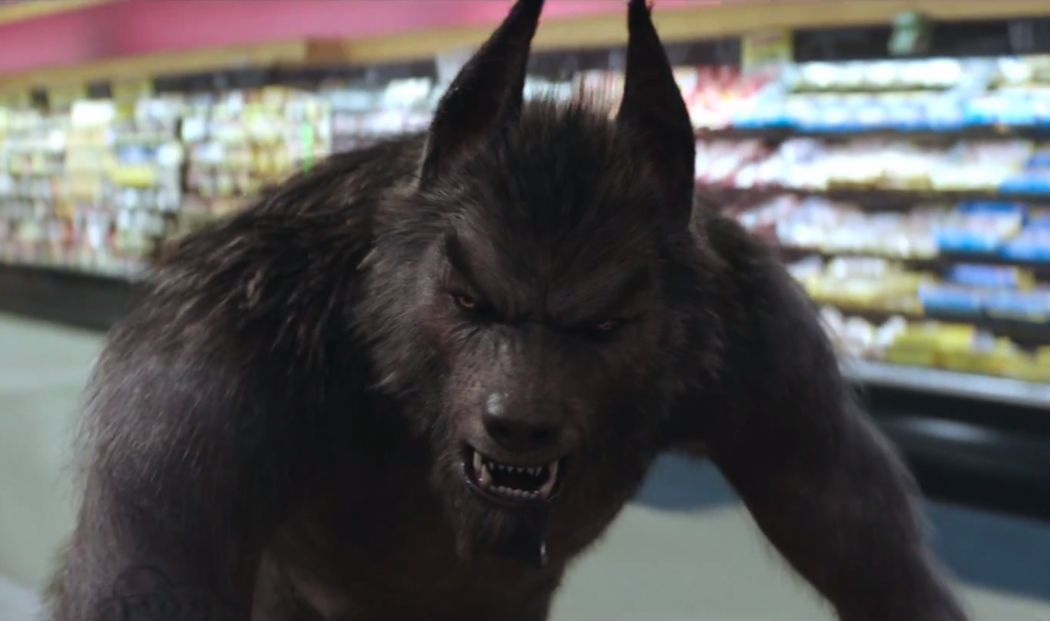
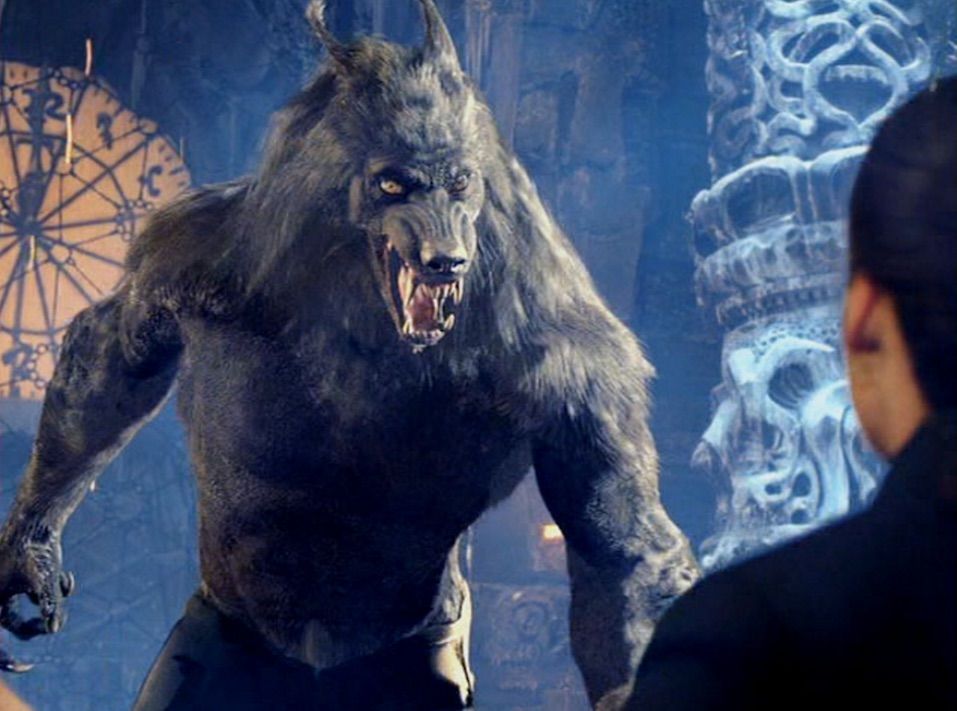
First, we need to establish what passes for “normal” in the world of my book. Maybe it’s the modern world as you and I both know it. Maybe it’s the historical world of the 17th century. Perhaps it’s a future world where planets settle all their grievances and negotiations with gladitorial games. Or possibly it’s the modern world but werewolves exist and everybody knows about them.

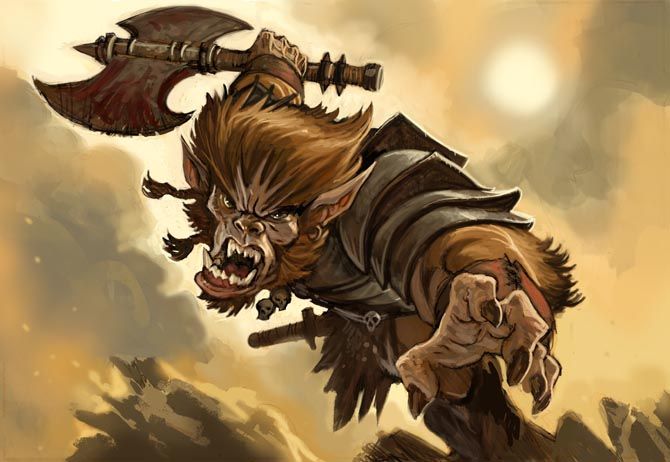
I know a lot of folks push for diving right in as quickly as possible, but there’s a reason this step is important. If I don’t establish what’s normal and natural in this world—or at least what my characters think is normal and natural—I can’t have anything unnatural happen to them. This can be a little tough if “normal” means living in a world with space elevators and moonbases, or a Victorian steampunk world, or a modern world where werewolves are real, but I really believe it’s vital. If I don’t establish what’s possible, everything that happens in my book becomes questionable, as do all my characters’ reactions to it.Yeah, you and I might freak out to see a werewolf run in front of our car tonight, but for the residents of WereWorld this is just another Thursday. It’s normal.

Second, we need to establish some kind of conflict. Whatever that norm is our characters are used to, something has to break it. By its very nature, today should be something out of the ordinary, because if this was a regular, day-to-day challenge our characters would already know how to deal with it, right? And if they know how to deal with it, it’s not that interesting. We want to see the day things change, the day our characters have to deal with something that knocks them out of their comfort zone and forces them to impress us somehow.

Now, throughout the course of our book, there may be a bunch of challenges my characters need to deal with. If a werewolf murders my character’s lover but nobody believes in werewolves, she could have a ton of people after her—the police, the FBI, her psychiatrist, maybe even a werewolf hunter who thinks she was bitten. But there should be a main, overall conflict that’s driving everything. In this particular case, it’s our character trying to prove werewolves are real and she’s innocent. Almost everything builds off of that.

Third, we need to resolve this conflict. We can’t tell our readers there’s a ravenous werewolf storming through my hero’s hometown killing everyone it can and then just… never refer to it again. If Dot’s dream all this time has been to ask out the cheerleader, then she needs to ask out the cheerleader (or at least address why she doesn’t need to ask out the cheerleader anymore). A big part of any book’s success is how we tie things up at the end which means… well, we need to tie things up at the end. When was the last time you or someone you know praised a book for not resolving anything?

Something else that kinda needs to be addressed. When the conflict’s resolved, it needs to be my hero who resolves it. I don’t want to follow Wakko for 300 pages and then have Phoebe step in to save the day at the end. All that tells me is we should’ve been following Phoebe all this time. Which means I write a book about the wrong character.

Now, with all that in mind, let’s talk about how we can fit a bunch of ideas together to make a plot.

And before we get into that, I want to go over something I mentioned last time. It’s one of the early obstacles we need to overcome in this book-writing process. And that’s understanding that one idea won’t become a book. An idea is just a single, lonely thing, and we need a couple of them together to make a plot.

F’r example, let’s go with this idea— There’s a werewolf in the forest.

Now, I bet your brains are already hopping with this, right? Thinking of ways it can go. Well, that’s just what I mean when I say one idea isn’t a book. We all immediately, instinctively understand there has to be more than this. I just mentioned that a plot has three parts, so it stands to reason that it needs at least three ideas. A lone idea should force us to consider other ideas. Is it a hungry werewolf? Is it intelligent? Is the forest close to our characters? Are they in the forest? Do they know about the werewolf? Does anyone else know about it? Are they hunting the werewolf? Is the werewolf hunting them?

This is where we shall deploy our most powerful plot building tool… conjunctions! Yes, just like in that old Schoolhouse Rock cartoon? Am I dating myself with that? Never mind, you all know what conjunctions are.

When I’m assembling a plot, I’m going to be stringing ideas together with and, but, and sometimes or. Think of one of your favorite books or shows or movies. If I asked you right now to explain it to me, you’d end up using lots of conjunctions describing it as the ideas stack up.

We’re out for our evening walk but there’s a werewolf in the forest and the werewolf’s terribly hungry for human flesh and the forest is right on the edge of town and the werewolf is a time-travelling cyborg and the werewolf is also a Sagittarius but there’s still a chance we can stop the werewolf. We just need to get some silver bullets and shoot the werewolf with them or the werewolf will kill us all and getting killed would be really bad.

Let’s talk about that little pile of ideas I tried to make into a plot.

First off, hopefully you can see what I was talking about. Each little bit is a separate idea. On their own they’re not much, but as we tie them together they become part of the larger whole. I established a norm, I introduced a conflict, and I’ve floated at least two possible resolutions. It’s very basic and no frills, but it’s a pretty solid plot.
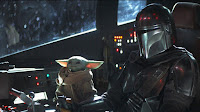
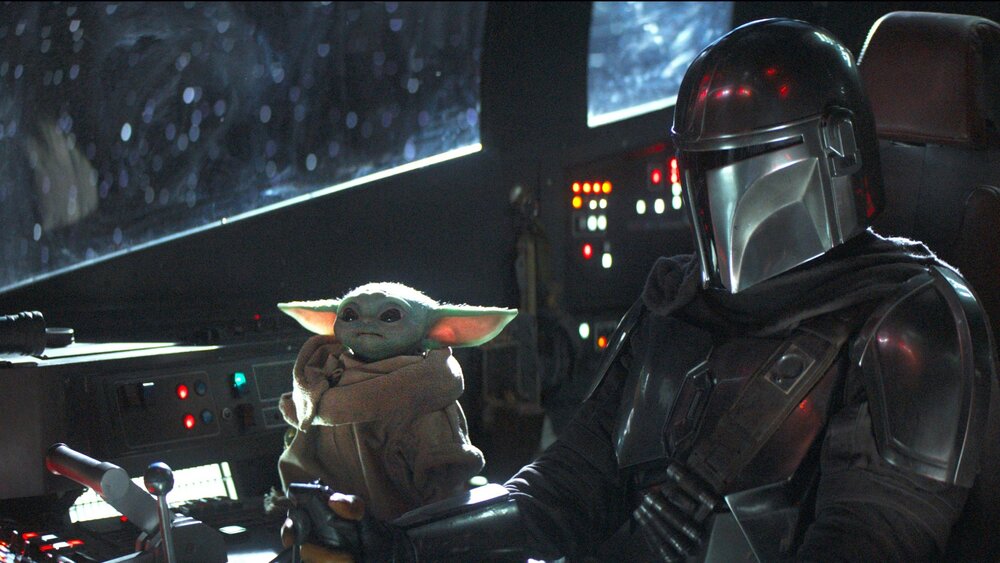
Second, plot is almost always about doing something. To be more specific, the attempt to do something. My characters are doing something. The werewolf is doing something. Plot is active. Ninety-nine times out of a hundred, our plot is going to boil down to “X is trying to Y.” Kamala is trying to balance superheroics and schoolwork. The Mandalorian is trying to protect the Child. Benoit Blanc is trying to solve a murder. Detective Pikachu is trying to find Harry Goodman.

As I mentioned above, the thing our characters are doing should be something out of their wheelhouse, something that puts them in an uncomfortable place. If everyone knows werewolves are real, Phoebe’s a professional werewolf hunter, and she’s out there in the woods with a quiver full of silver crossbow bolts… again, this is just a Thursday night in WereWorld. But if she puts three of those silver crossbow bolts straight through the werewolf’s heart and they do nothing… well, crap, what’s she supposed to do now? She only really had the one trick and that werewolf looks very much still alive and super pissed now.

Third is taking that second point a necessary step farther. Plot is almost always (again, about 99% of the time) about the attempt to deal with an external problem. Enemies. Society. Corporate banks. Androids. Aggressive jocks. Harsh professors. Werewolves. They’re external things that affect our characters, and simultaneously they’re things our characters need to deal with or address, one way or another.
Also, just because somebody always takes things too literally, when I say external, I’m referring to the characters as people—their consciousness, not their physical forms. If Wakko wakes up with a bomb implanted in his stomach or Phoebe gets a sudden case of super-lycanthropy, yes these threats are inside their bodies, but they’re still outside forces. They’re things that aren’t part of them, that they have no control over. We’re going to get to internal things later, don’t worry.

Make sense? Okay, lemme throw out two more plot-related things. A warning and a consideration. And I’m going to use a different metaphor for each one

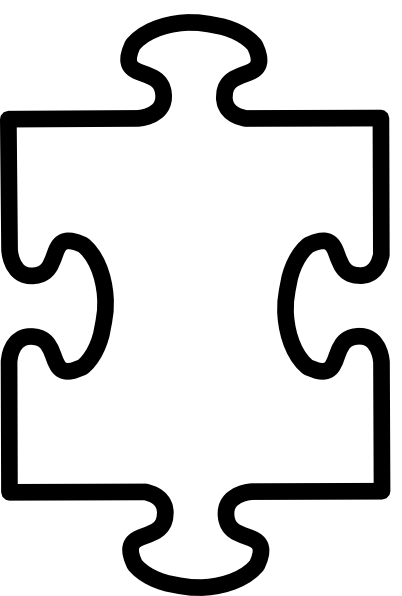
First is a warning. Last time, while were talking about ideas, I said we could think of ideas as puzzle pieces. Like building puzzles, we need to get a sense of what ideas fit best where, and also… which ones don’t fit at all. With puzzle pieces, we can look at the tabs and the slots, as well as what’s on the puzzle piece itself, and get a good sense of what goes where. The piece that’s all off-white moon and the piece that’s all night sky most likely don’t connect directly to each other. There’s going to be one or two pieces between them. Heck, maybe a lot of pieces. And that one with the flat side is clearly an edge—it’s not going to end up in the middle somewhere.

Likewise, that smaller bright green piece with grass on it and the notably smaller tabs… well, odds are prety good that’s not even part of this puzzle. We can see that it doesn’t belong and get rid of it pretty quick. We don’t want to spend a lot of time wrestling with something that clearly isn’t going to fit anywhere.

Look at my sample plot up there. Two of those plot points probably stood out to you. One is the werewolf being a time traveling cyborg. I mean, it’s a cool idea, but does it belong right there? Should it maybe be something we know from the start, or something we figure out at the end? Just dropped in right there it feels a bit jarring, yes?

Still, not as bad as the werewolf being a Sagittarius. It’s a funny bit, but funny doesn’t really fit with anything else there, does it? Maybe if the tone of the book was kinda different. But as is, it feels a little too goofy alongside talk of a flesh-eating werewolf charging out of the forest. I may really need to think about getting rid of it. Or changing some other things to make it fit better.

Plus, let’s be realistic—any decent monster is a Scorpio.

This is a really tough thing to get a handle on—the idea that an idea can be good but not good for my book. We tend to think that a good idea is good no matter what, and in a way that’s true. But we’re not talking about ideas as individual things. We’re talking about them in that greater, interlocked pattern that’s our plot. And sometimes a really cool idea just doesn’t fit. No matter how amazing that little piece of green grass looks, it just doesn’t go with the other pieces in this puzzle.
Now, here’s my other thing for you to think about—a different way to consider plot.

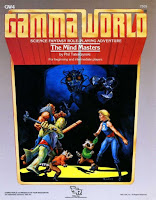
Raise your hand if you’ve played Dungeons & Dragons. C’mon, we’re all geeks here. If not D&D, I’m sure you’re familiar with some sort of pen-and-paper roll playing game. Gamma World? Vampire: The Masquerade?

Okay, since some of you are still feeling shy, a common element here is for a Dungeon Master (aka “the DM”) to draw out a map of the town/castle/catacombs/crashed spaceship our adventurers will be exploring. The DM draws out every room, tunnel, antechamber, hidden staircase, and so on, usually with a few extra details about what can be found in each area. This is the rough framework of the adventure.

This framework is very similar to how we build a plot. Lots of conjunctions, right? The adventurers will travel through an archway and a hallway and a thick oak door and a room and a hidden door behind a tapestry and a tunnel or a staircase and then a vault. Each element we add takes us further along the path, moving us toward some kind of conclusion. Hopefully one where our rogue, Yakko, doesn’t end up dead again.

Now, with this metaphor in mind, let me ask you this. Have you ever sat down for a night of D&D with that person who’s just a little too enthusiastic that they finally get to DM? And they’re going to design the most amazing dungeon ever? We hit that first room behind the thick oak door and there’s twenty skeletons and they all have +2 swords and +3 shields and there’s a werewolf and she has a +4 flaming axe and the helm of disintergration and the floor is really a giant Trapper and the ceiling’s a Lurker Above and

I’m guessing most of you are familiar with this kind of DM, in theory if not in personal experience?

Here’s what I wanted to point out. Notice how this version of the dungeon has just as many conjunctions, but it doesn’t actually go anywhere? After all those conjunctions, we still haven’t moved past the first room in the dungeon. We haven’t progressed at all.

This is something we need to watch out for. Not all of the ideas in our big pile are going to be part of the plot. Some of them are going to be details, and we don’t want to confuse details for plot points. My conjunctions shouldn’t all pile up in one place, just building and expanding this one area. They need to keep moving us into new rooms and new halls, all of which are leading us, again, toward that eventual end. We can add a lot of things to our plot with conjunctions, but do they actually move the plot along? Do they force our characters to make decisions and take actions?

So, to sum up a few points. My plot establishes the norm, introduces conflict, and then resolves conflict. It’s more than one idea, all with solid connections. It’s an active attempt to do something, and that something is almost always going to be some kind of external issue. And plot is moving our characters through the book.

After all this, you’ve probably guessed what I’m talking about in the next A2Q. Characters. How we come up with them. How we develop them. How we fit them into our plot.

But that won’t be for three weeks—next time here I want to talk about an old favorite, and the week after that is a little Valentine’s Day advice. And then back to the the A2Q for maybe two sections in a row.

Oh, and if you somehow missed it, my latest book, Terminus, just came out as an Audible exclusive. Go check out that beautiful landing page they set up on the other side of the link. It’s got a bunch of clips, a video chat between me and the narrator—the wonderful Ray Porter—and of course the book itself.

So until next time… go write.
January 23, 2020 / 1 Comment

A Lull in the Action

I know the A2Q thing just got started, but I wanted to pause for a few moments to talk about action.

I’m a big believer that action—especially dynamic action–shouldn’t take much longer to read than it would take to happen. Swordfights, shootouts, fistfights, even sex scenes—all of these are events where we kind of expect people to get caught up in the moment and not focus too much on minutiae. When I’m telling these events as part of a story, it creates an odd situation where I want to advance the action, but I also need to explain what’s going on. It’s especially tough in first person narratives, but really it can happen anywhere.

An example I’ve used before is when a ninja leaps out of the shadows to attack me. On the one hand, I want to mention the mask and the gloves and the sash belt and those special shoes that ninjas wear. Plus maybe they’ve got weapons in their hands or tucked in their belt or strapped to their back. Maybe even cursed weapons with extra barbs or weird auras. And wait… is that long red hair? Is this ninja a woman? Holy crap, the robes are kinda loose but, yeah, I think she is.

Of course, during all this time… what’s the ninja doing? They leaped out of the shadows and… froze in the air? Are they waiting to punch or kick or maybe skewer me with their short sword or something like that?

Heck, did you even remember the ninja was in the process of attacking me while you read through all that description?

Which is the problem in these situations. Once I’m in an action moment, I’ve got to be careful about bringing it to a pause for descriptions of other characters, weapons, fighting techniques, heck sometimes even overly-describing the action itself. I can blow the rhythm and wreck the flow, knocking my readers out of the story right when I want them desperately turning pages.

And it’s not just descriptions that can do this. Another thing I’ve seen is people trying to do funny, snarky dialogue in the middle of action sequences. Sure, this can work to an extent, but when every other character is making one or two quips during every gunfight or car chase or building collapse, these events begin to stretch out. It doesn’t take long for them to start dragging.

Another common one is the sudden need to share information, either between characters or sometimes the narration relaying these facts directly to us, the audience. I think a lot of the time when this happens it’s the writer feeling the sudden need to remind the readers of something important. The potential double whammy here is this can be breaking the flow of my action and it may just be a bunch of noise that we already know and don’t need to be reminded of at this crucial moment.

The worst of all of these has to be the introspective moment. That point when the arrows are flying and plasma bolts are crashing around us and my character pauses to dwell on how fragile the connections are between all of us, and the series of decisions that unknowingly brought him to this moment. And this place. Of all the possible places he could’ve been right now. One different choice and maybe he’d be on a date with that cute barista, instead of here, pondering the threads of destiny…

Anyway, where were we. Right! Raw plasma exploding everywhere and whoa when did Wakko get fried? How’d I miss that?

Other popular introspective topics that can disrupt action may involve lost loves, found loves, children, aging parents, the ephemeral nature of beauty,  and a single raindrop, frozen in that moment of impact that so perfectly symbolizes the inevitability of death…

The real killer for all of this? Lots of stuff counts as action. There’ve been a few times I’ve mentioned that often-misunderstood chestnut, start with action. It doesn’t mean my book needs to begin with a ninja leaping from the shadows, it just means I need to start with something happening. With my characters doing something. Anything. And all those things that count as action are things I want to be careful about disrupting and slowing down.

Now, yeah, of course, there’s always going to be exceptions. There are lots of reasons why my character might have an unusual, unrelated thought in a moment of peak action, or why they might get distracted by that single raindrop. But I need to remember that exceptions are rare.

So don’t break the flow of your story by letting your action get bogged down.

And speaking of action and doing things… have I mentioned that my new book, Terminus, comes out next week? Like, one week from today. It’s an Audible exclusive, and if you wanted to preorder it now that’d help further convince the people who pay me that my books are a good investment. Which mean more books down the line. Which means we all win.

Next time here on the ranty blog, we continue with the next part of the A2Q, where I’m going to try to explain plots and how to put one together.

Until then, go write.

Categories