
March 12, 2026 / 1 Comment

Complete Disbelief

I though I’d talk about something utterly unbelievable.

No, seriously.

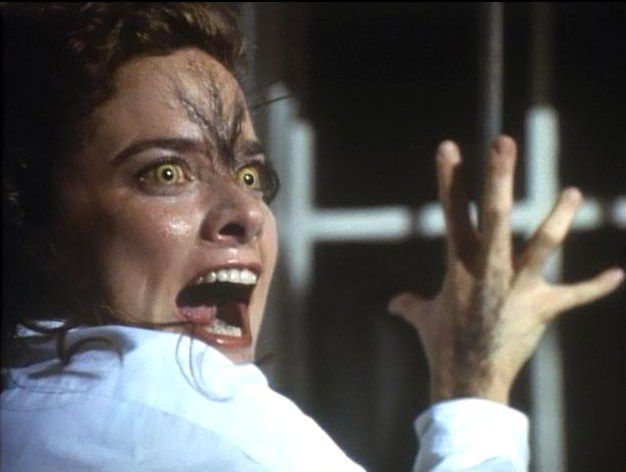
Most of you have probably heard of willing suspension of disbelief. It’s when my readers (or moviegoers or whatever) are willing to overlook or ignore obviously wrong or just plain impossible things for the sake of enjoying a story. It’s a deliberate, often unconscious decision to… y’know, just go with it. We know super-powers aren’t real, but we can still enjoy Wonder Man. Ghosts aren’t real either, but I’ve really been loving School Spirits. Dragons? Also not real, but people keep lining up for Westeros-related stories. Heck, kaiju make no sense whatsoever. None. They’re 100% impossible, on so many levels. But people keep heading out to see Godzilla movies.

The catch, of course, is that this is willing suspension of disbelief. But if I’m not careful, I can push things in my story a little too far and my readers are suddenly no longer willing to suspend their disbelief. It hits a point where they just can’t ignore all the cracks and cut-corners and missing chunks and then… the whole thing comes down.

When that suspension of disbelief starts to crumble—or if you prefer, when disbelief starts to grow—I think it comes from two specific directions. One is from elements within my story. The other is from characters in my story. Let me talk about both of these for a few moments.

If we’re talking about I think genre stories tend to be the immediate targets when we talk about willing suspension of disbelief. Sci-fi. Fantasy. Horror. Genre tends to have a lot of the elements I was talking about earlier—super powers. Ghosts. Monsters. So it’s the easy thing to point at when we talk about suspension of disbelief because they’re easy things to, well, not believe in.

Now, granted, yes, some people just won’t believe this stuff no matter what. We’ve all seen that reviewer who begins “Well, I picked this up even though I never like horror… and now I remember why!” It’s possible for folks who don’t like a genre to tolerate a genre, sure. Just keep in mind, what seems like a little ask for another reader is going to be much harder for them to let slide. Their block of disbelief is going to be calving off massive chunks of disbelief like a glacier dealing with global warming.

I’m saying this just as a reminder– we can’t do anything about these people. If they happen to pick up one of our books, it is what it is. Let’s not worry about them too much.

But even for people who do like these more fantastic elements, there comes a point where I’ve pushed things too far. Maybe I’ve crossed one too many genres. Perhaps I brought in an element too late in the story that makes too big a change. Whatever it is, eventually there’s a beat, a moment, a thing where I’ve just gone too far. I’ve seen John Scalzi call this point “the flying snowman”—that we can accept a snowman who comes to life, sings, eats food (hot food, even), but hang on now he’s flying? Seriously? Oh come on…

Something I’ve talked about here a few times is that stories have to be believable. There needs to be a grounded world my readers can understand. That includes stories set in medieval fantasy valleys, gigantic space stations, and even a world just like ours except no one’s ever done anything about that serial killer who lives across the lake by the old summer camp. Whatever my setting is, it has to be something a reader can—on some level—understand and believe characters can exist in.
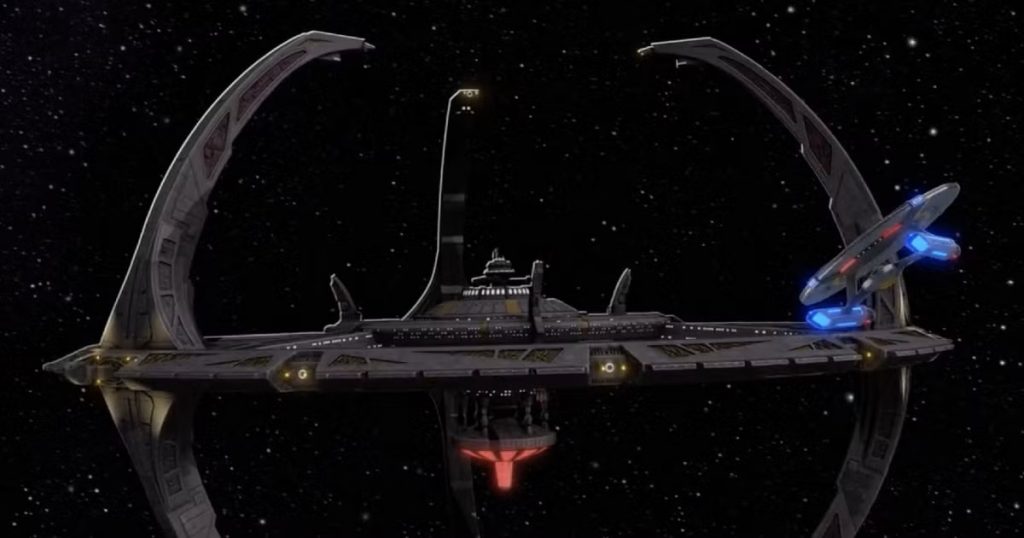
Take that giant space station. We all inherently understand the nature of a space station—even a very advanced one—and why it might need different crew members. Maybe even a lot of crew members. We can understand why it’s located out here on the fringes of space, working like a sort of interstellar lighthouse—or maybe a watchtower? Very isolated research? Artificial gravity isn’t a wildly new idea. Neither are supply runs or some form of food synthesizer or an oxygen generator. Look at that. A bunch of very understandable, very believable things about our space station, but still leaving us lots of room for weird, new things we don’t understand. Make sense?

Three quick notes to this. First, I personally try to resist the urge to give normal, familiar things new “genre” names unless it’s going to be really clear what they mean. Too often this is just, well, a lazy way to worldbuild. Most folks will get frustrated if they read through a hundred pages of jha’krynn forging and training before it becomes apparent a jha’krynn is just what people call a shield in this world. Plain old, normal on-your-arm shield. And they should be frustrated. Maybe even a little annoyed—I’ve been making them do extra work for no reason. And that frustration means they’ll be a lot more judgey going forward (maybe even looking back), and less likely to suspend their disbelief.

Second note ties to that other thing I mentioned. A world just like ours except… Some folks think “the real world” means I don’t have to worry about things being believable or relatable. But the truth is, unbelievable things happen in the real world all the time—things that would be pure nonsense in fiction. And a lot of what’s relatable to me in my life would probably be completely alien to a little girl growing up in Aswan. And the life of an undercover NSA agent would probably seem baffling to me. Depending on what my story is, it’s still going to need that grounding.

Third and last. My readers are going to have a sense of what’s possible in my world. Keep in mind, possible can still include highly unlikely. The thing is, knowing what’s possible means they know what’s impossible, and if something comes across as impossible… well, that’s another big chunk off the ol’ disbelief block.

Now… remember, way up there when I mentioned the two directions? Let’s talk about the other one. The Roman numeral II in our outline. Or probably a B, thinking about it.

Anyway…

The other thing that can wear down my willing suspension of disbelief is my characters. If they’re doing or saying unbelievable things, or if they’re just inherently making someone think “I can’t believe anybody would…” I mean, my readers won’t be willing to suspend their disbelief long for someone like that. Honestly, how many found footage movies hit that point where we’re basically yelling at the screen “WHY ARE YOU STILL HOLDING THE CAMERA?!?”

Characters have to be believable. They’ve got to be consistent—or at least consistently inconsistent. I can’t have them acting and reacting in whatever random way happens to move my plot along. My readers need to see motives they can understand. Natural-sounding dialogue. Relationships that are somehow relatable to the average person.

The reason this is important is because when my readers believe in my characters, they’ll believe in what happens to my characters. If I believe in Yakko and Yakko ends up turning into a werewolf, then—by extension—I have to believe in werewolves. If I believe in Dot and she runs into a dragon, oh holy crap, it’s a dragon!

Okay this is getting silly-long so one last tip. It’s silly to point out, but one thing that whittles away at suspension of disbelief really fast is getting facts wrong. If I tell you that WWII ended in 1964 (the same year the first war with Iran began) or that there’s only one T in Manhatan, your brain is going to automatically shift into denial mode for a moment. because you know these aren’t correct. It’s a little slip in that willing suspension of disbelief, and after too many slips…
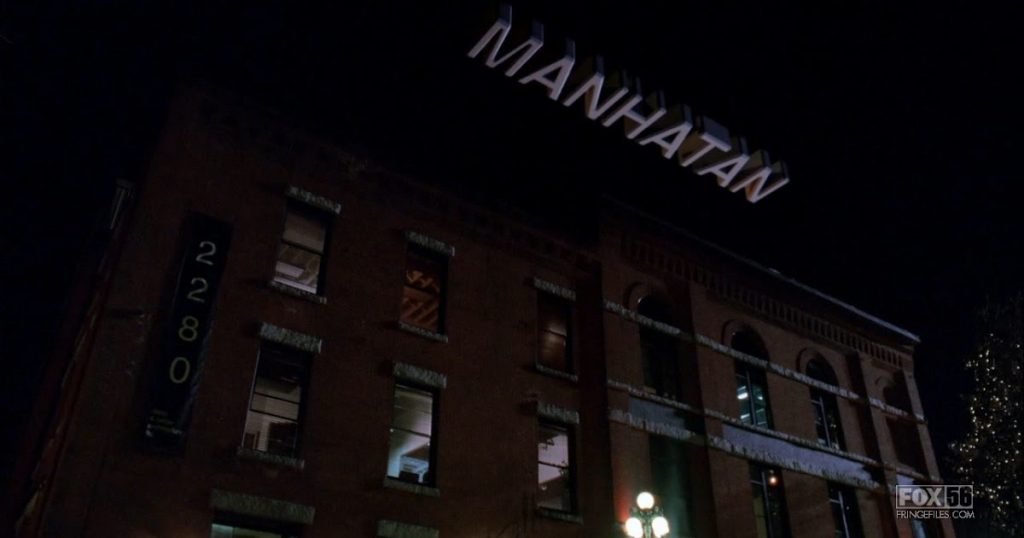
Yes, there might be a reason my character thinks there was a war with Iran in 1964 (he’s an idiot) or that Manhatan only has one T (we’ve slipped into another universe). But this is yet another one of those I need to be careful/ every story is different things. If I let too many of these build up without an explanation, I’ll hit a point where it doesn’t matter if I have a reason for them or not, because my reader just can’t believe any of this anymore.

There’s also a flipside to this, one that takes a bit of empathy. I can also blow the reader’s willing suspension of disbelief by using completely accurate facts that are unbelievable. There are lots of websites and YouTube channels that’ll tell you about amazing true coincidences or billion-to-one events that actually happened. If I’m basing a chapter—or a whole story—around these things, it could cause problems.

I’ve mentioned this before, but years back I interviewed a filmmaker who’d just finished a documentary about the botched 2003 invasion of Iraq and the even bigger mess that came after it. One of the things he told me was how much material he’d left out of the film. There were so many incidents of complete and utter incompetence in the year after the invasion nobody would’ve believed them. Because they were just so goddamned unbelievable. He told me a few during the interview and I kept saying “What? What?!?”

Oh crap. Wait. One more thing. The for-real final tip, kind of going off that last bit. I’ve said this many, many times before but… being true doesn’t matter. Once it’s on the page, all anyone cares about is if it’s a good story about believable characters. Whether or not the events and characters are real is irrelevant. Too many folks see “true” as some sort of pass that means readers have to accept things. But if I’ve got a true story that’s just completely unbelievable… it means I’ve got a completely unbelievable story. Simple as that.

Y’see, Timmy, that’s what it all boils down to. When your suspension of disbelief is broken, even for a moment, it breaks the flow of my story. The more often the flow’s broken, the harder it becomes for my readers to be invested. And eventually it’s just easier for them to go sit on the couch and get caught up on Starfleet Academy or School Spirits or something.

So keep it believable. Or as believable as you can.

Next time I’d like to rant a little bit about ranting a little bit.

Until then, go write.
July 11, 2019 / 2 Comments

In A World… Where…

Yeah, there was no post last week.  Holidays, finished editing, all that. I know I promised you a post about computers, but when I re-read it felt rough.  I toss around some touchy topics in it, so rather than risk saying something that could get easily misinterpreted. and set off a bunch of people yelling… I just figured I’d let it sit for now. Maybe I’ll get to it some other time, or bring it up at one of the many Coffeehouses in the future.

But I gave you two this week to make up for it. Okay, so one of them was the updated FAQ, but it’s still an informative post.  Just maybe not the information you were hoping for.

So, one thing I’ve mentioned here once or thrice is the idea of believability. On some level, we need to accept this character or world as real, because that’s how their stories become real to us.  If a character or a world asks us to accept too much… well, we just can’t.  One too many coincidences or secret cults or hidden talents and… we’re out.  That willing suspension of disbelief gets shattered.

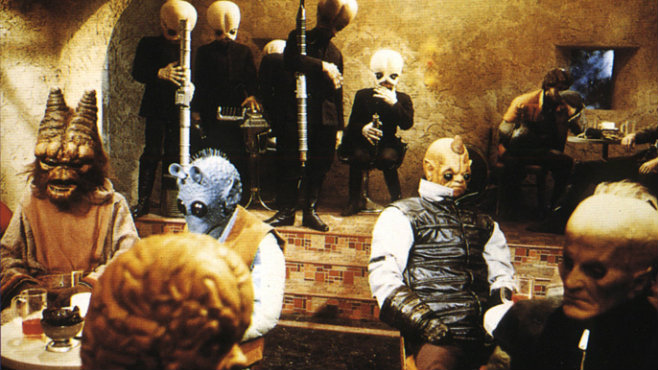
Of course, what’s “believable” is kind of tricky, isn’t it? I mean, we completely accept  a tavern with fifty different alien races in it when we’re watching a Star Wars movie.  But if I’m reading the latest addition to the Their Bright Ascendancy trilogy, well… that doesn’t work quite as well. And if this was an episode of Elementaryor even iZombie we’d just roll our eyes and talk about the days back when this was a good show.

(they’re both great shows, just to be clear—but not if they suddenly had alien bars in them)

When we start to get invested in a story, part of it is that we get a good feel for what kind of world this story is set in.  Does magic exist?  Or aliens?  Does everyone know about vampires or are they still living quietly in the shadows, unknown to the average person? Assuming they’re even real.

A big problem I stumble across on a semi-regular basis is when a writer tries to change the world too late in the story.  We’ve been reading about a story set in the real world and suddenly there are goblins and vampires.  Or it turns out we’ve all known about aliens since the ‘50s.  I mean, we teach about them in school.  In history class!

I was reading a book lately that was set in Victorian London (locations, names, and/or supernatural beings may have been changed to protect the relatively innocent). A take on “the great detective” trope, but it was fun and had a nice mystery aspect to it (hunting a Jack the Ripper-esque serial killer) and the dialogue and descriptions of London were just fantastic.  I was really enjoying it.  Until…

A little more than halfway through the book, maybe close to 60 or 70% in, we find out that the serial killer is actually the Frankenstein Monster, gathering parts for yet another attempt at electro-alchemically creating a mate for himself.  It just came out of nowhere  Not so much a twist (it wasn’t really set up) as a weird reveal.  And it kind of… well, it knocked me out of the story.  It was a cool idea, but suddenly this was a very different world than I’d been led to believe. The type of characters who could be in it had drastically shifted. I had to reconsider a lot of things, and one of the biggest was “does this story still make sense?  Is this world still believable?”

Needless to say, I had to readjust my expectations as far as where this story sat on the plausibility/believability scale.  Which meant I then had to go back and reconsider everything that had already happened.  Were all those earlier moment still believable, now that I knew they were happening in this world?

And this isn’t to mean I came to a dead stop and started checking things off in a plus or minus column. It was just one of those moments where an instinctive reaction forces everything up into my brain.  I stopped enjoying and started analyzing. I was much more in my head for the rest of the story.

It’s kinda like wandering through a pool on a hot day. You may be really enjoying the cool water, the feeling of being outside, being with friends, all of it.  It might feel fantastic. But then you hit a spot of water that’s just a little warmer—just that certain amountwarmer—and now that one small-but-significant change has made you very aware of the pool.  Who else is in the pool. Where are they?  Where were they?  Now you’re not so sure if the pool’s a great place anymore. Sure, it may be nothing, but it’s kinda in your head now, how much water is on your skin.

And that’s a small change.  Imagine if you bumped up against a dead rat in the pool.  Or a shark. How the hell is there a shark in the pool?  Was it there all long?  Was it invited to this party, too? Is it responsible for the warm spot?

We need to feel comfortable in the world of the story.  I don’t want my readers to feel confused or betrayed. Bruce Joel Rubin made a wonderful observation years back that we experience stories in our gut, but we analyze them in our head.  So the moment we go into our head, trying to figure out what’s up with that warm spot, we start to lose our readers.

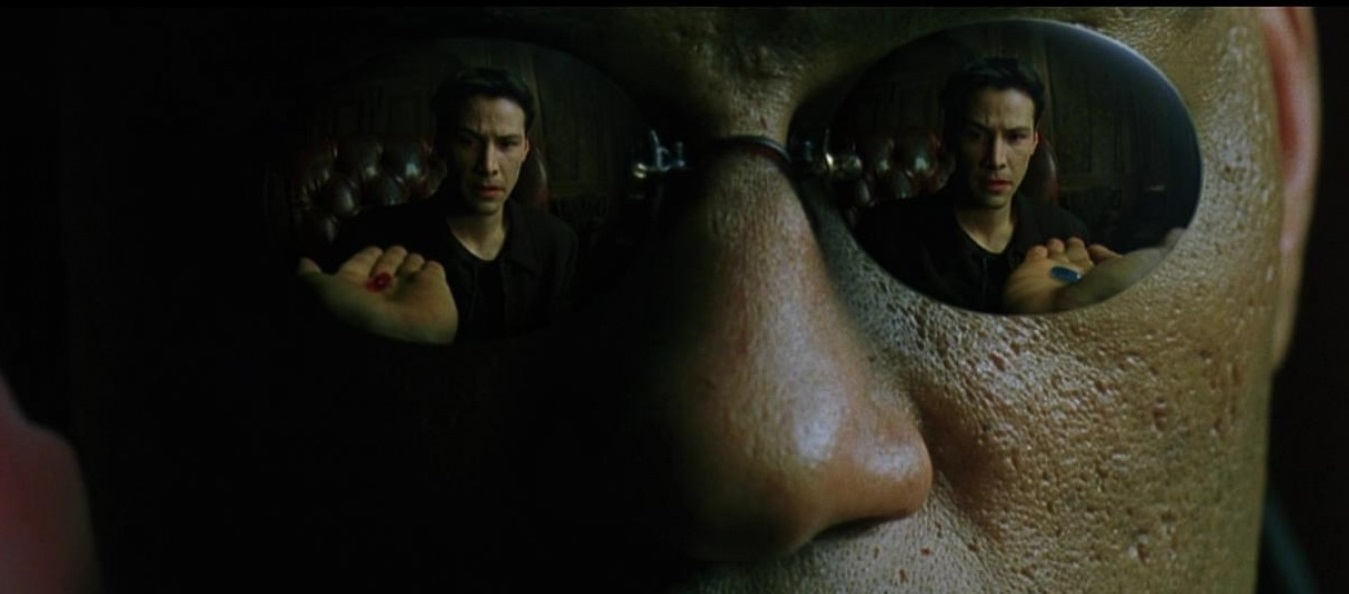
If I had to put a loose rule to it, I think any serious world-change like this has to be the end of act one/start of act two moment.  It’s part of the easing-in process.  The Matrix.  Red Rising. Harry Potter.  In all of these stories, the discovery that the world was than what we’d first been led to believe comes fairly early.  It’s probably notable that it’s also what gets all these stories really going.  This discovery is, arguably, the inciting incident, as folks have been known to call it.

Now, this moment can come later, sure.  I’m betting everybody reading this knows at least three or four “We were on Earth all along” stories.  But when these stories work—and that’s kind of a rare thing if you think about it—it’s because this is a very carefully set up twist.  And like any good twist, it’s been set up so the big reveal makes things fall perfectly into place rather than scatter across the table and spill onto the floor.

I’d also add that just because we’re flexing that suspension of disbelief with one thing doesn’t mean another thing will slide off with no problem. Finding out the serial killer we’re chasing is Frankenstein doesn’t mean we’ll also accept that he leads a taskforce of steampunk cyborgs that protect the earth from alien invaders.  Just because there are vampires doesn’t mean I’ll buy that Abraham Lincoln really was a vampire hunter sanctioned by the Vatican.

So if halfway through my story I’m introducing an element that’s going to change how readers look at my world, I should take a good, long look at it.  How big of a change is it?  Is it very late in the story?  Is it coming out of nowhere?

Is it necessary?
Oh and hey, speaking of the Writers Coffeehouse (as I did way up above), there’s one this Sunday, noon to three, at the new Dark Delicacies in Burbank. There’s also going to be one at San Diego Comic-Con, one week from today, from 2:30 to 4:30, and that one’s going to have me, Jonathan Maberry, Delilah Dawson, Scott Sigler. and maybe some other folks, too.  Come hang out with us and talk about writing. Plus I’m also doing the dystopian book club at the Last Bookstore this Sunday, too.

Next time… well, next time is Comic-Con, like I said. I probably won’t have a post up next week, but I may have a few fun cartoons and such if you want to check back in.  And then maybe the week after that I’ll blab about cool camera shots.

Until then… go write.

January 11, 2018 / 1 Comment

What They Know

            There’s an empathy issue I see crop up a fair amount of time, and I ran into it a few times back in my film days, too.  I just hit a big patch of it recently, and it was while I was working on a pitch/outline that also kind of skirted around it.  So I figured it was worth talking about a bit here.
            That big patch I mentioned was a werewolf anthology I read (some monster names may have been changed to protect the innocent).  One of the things that amazed me was how many of the stories had a “big twist” which turned out to be—ready for it?—this is a werewolf story!  Some of these were pretty good… but I still ended up twiddling my fingers once it became apparent where things were heading and I had to wait for the narrative to get there.
            Now, granted, in this particular case a fair share of the blame for that falls on the editor.  Why would I accept a story for my anthology that’s undercut by… well, the very nature of the anthology?  That just seems like a bad idea.
            But why submit such a story, either? Shouldn’t I, the writer, immediately realize that anyone who picks up the anthology is already going to be clued in to my big reveal?  And shouldn’t I be aware of the failings that creates in my story?
            Either way you look at it, nobody’s thinking about what the readers are going to know when they sit down with this story.
            Simple truth is, what my audience knows affects what kind of story I can tell.  It’s going to affect my structure. Maybe even my genre.
            No, seriously.  Imagine trying to write a mystery story where we all know who the murderer is from the very start.  Before we even pick up the book.  If I try to tell that story in a normal mystery format with normal mystery tropes, it’s going to collapse really fast.  The whole structure of mysteries is based around the audience not knowing certain things, so if they already know them… well, that’s going to be a tough sell.
            Remember that pitch/ outline I mentioned?  It’s loosely inspired by an old ‘50s sci-fi movie.  But one of the big issues is that the “science” that drives most of the story in that movie is just awful.  Oh, it might’ve been borderline acceptable back in the day, but these days my niece could poke a dozen holes in.  And she’s a high school freshman. In Texas!
            That’s how weak the science is.
            So if I want to tell that story now, I’ll need to change a lot of things.  Those rationales and explanations just won’t hold with modern readers because they know better.  It’ll kill their suspension of disbelief almost immediately and they’ll give up on my story before they get to chapter five.
            And I don’t write big chapters.
            As I mentioned above, both of these examples deal with an empathy issue.  I have to be aware of what my audience knows.  What’s common knowledge, what’s obvious, and what sort of thing they’re already aware of.  And I need to understand how that knowledge is going to affect the reception and dramatic structure of my story.  Something they already know can’t be a surprise, and something they know is wrong can’t support a string of plot points.
            Please note an important difference here. Wrong doesn’t mean not real.  I can propose tons of alternate histories or secret societies or fringe science breakthroughs. I’d love to give you guidelines for making up planets or technologies or imaginary animals.  But the simple truth is… it’s an empathy thing.  Every thread in every story is going to be unique and different in how I present it and how you receive it.
            Semi-related—this is also why spoilers suck so much.  They literally change the story I’m telling (or reading) because they change what the reader knows. 
            For example…
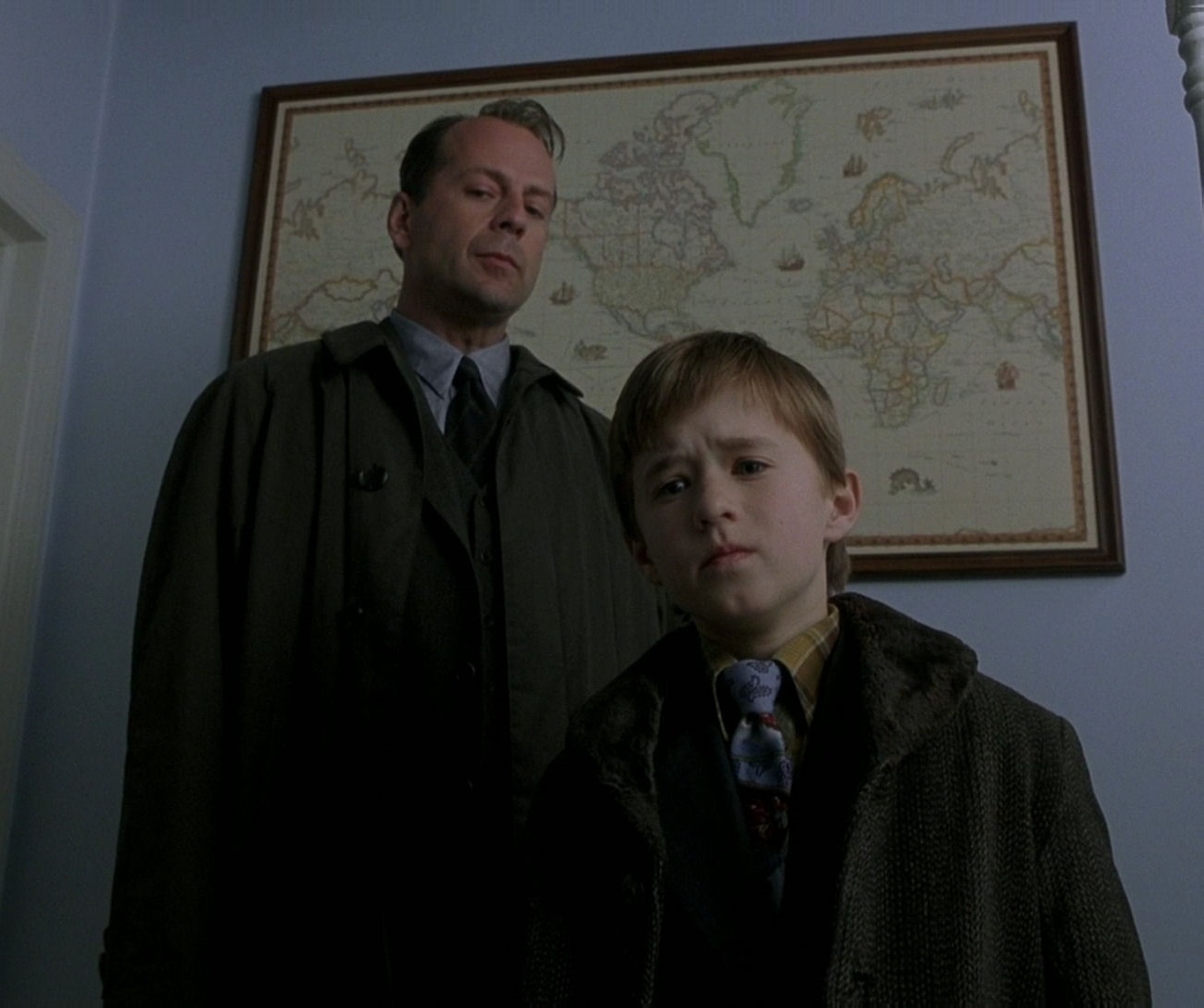
            I’m going to spoil The Sixth Sense, so if you haven’t seen it, stop reading now and go watch it. No, seriously, go.  The whole point of this is how knowing things can mess up how you receive a story, so if you keep reading you’ll never be able to watch The Sixth Sense the way you’re supposed to.  NEVER.  If you’ve somehow managed to avoid it until now, I don’t want to be the one to take it away from you, so stop reading.
            STOP!
            NOW!!
            Okay, now that those folks are gone…
            That big reveal at the end of The Sixth Sense is a jaw-dropping moment when we hit it for the first time.   But if we go in already knowing Bruce Willis has been dead all along, this is a very different story.  It’s almost an afterschool special.  “The Boy and his Phantom Psychologist,” Thursday at four on ABC.
            More to the point, that ending doesn’t have the dramatic weight it would without that knowledge. And it never can.  We can’t unlearn things, much as we’d like to.
            Once something’s been spoiled… that’s it.  No takebacks.  No mulligans.
            I’ll even toss this out.  The ending of The Sixth Sense was such a powerful moment that it got copied many times–often by people who didn’t really understand it.  But this often-copied ending still ended up out there.  It became common.  And because it was common knowledge, so to speak, it changed how writers can tell that sort of story.  These days, most readers know to look for that sort of twist.  And they’ll pick up on the subtlest of clues or hints.  And I need to be aware of that if I want to tell one of those stories—that people will almost be expecting it.
            Because if I don’t, I should know I’m about to make some clumsy mistakes.
            Next time, I want to talk about some more basics.
            Until then… go write.
            Old reference from the Incredible Hulk comics.  Paraphrased, but very relevant.  Points if you know who said it.
           So, a few weeks back I talked about suspension of disbelief.  It’s how we guide our readers through the parts of our stories that, well, don’t hold up to rigorous examination.  They’re inherently wrong, illogical, or maybe just very out of character for that person on the page–or maybe for anyone.  This sort of thing breaks the flow of my story.  If I break the flow often enough, my reader’s just going to put the book down and move onto something more entertaining like the latest episode of Galavant.  Or laundry.

            Now, that being said, sometimes I just need a coincidence or an irrational act.  It’s the curse of being a writer.  Every now and then someone needs some amazing good luck or really horrible bad luck.  They find the key.  They forget the password.  They manage to make the nigh-impossible shot on their first try.  Their cell phone battery dies.

            Here’s a quick tip that can help make that moment work.
            There’s a device I’ve mentioned before called “hanging a lantern on it.”  It’s when I take that odd coincidence and—rather than try to hide it or brush it aside—I draw attention to it.  I put a spotlight on it.  Not as the writer, mind you, but within the story itself.  When I hang a lantern on something, an odd or unlikey event happens and my characters address the oddness or unlikelihood of it
            In my Ex-Heroes series, for example, the subject of origins comes up in the second book, Ex-Patriots.  One of the characters, Cesar Mendoza, has the ability to possess machinery, and explains that he got the power when he was younger.  According to him, he was struck by lightning while working on a car’s alternator.
            Ridiculous, right?
            Thing is, St. George immediatelypoints out how ridiculous this is. He even gives examples and explains just how impossible it is for a lightning strike to give someone superpowers.  Cesar’s response is just to shrug and point out “Yeah, but it did.”  And then he asks how St. George got his powers, and our hero awkwardly admits he got his powers by getting caught in an explosion when a radioactive meteor hit a chemical storeroom at the lab where he was cleaning up.
            So, why does this little trick work?
            Well, y’see, Timmy, when my reader sees something ridiculous happen in the story and my characters acknowledge that thing is ridiculous, it makes them more believable and relatable.  It’s just the way we’re wired as people.  We can’t forgive a million-to-one coincidence that everyone takes in stride, but we kind of buy it if everbody comments on the odds we just beat.  When the reader and the character have the same reaction, it pulls the reader in a little bit rather than pushing them away.
            Now, does hanging a lantern make a story’s lucky coincidence totally acceptable?  Well, not always.  But it’ll push back the suspension of disbelief a few notches.  So if I’m asking the audience to accept something small-to-midsize (that five people on a subway car all have the same birthday), and I make a point of commenting on the oddness of it, the readers will probably accept it without too much trouble.  If it’s a huge coincidence that really strains belief (“None of the codebreakers thought to see if the password was his birthday?!?”)… well, there’s only so much any plot device can do.
            Also, keep in mind I can’t include dozens of belief-straining elements and hang a lantern on each one.  In fiction, just like in real life, people start to get weirded out by too many coincidences.  When it happens once it’s good (or bad) luck.  Twice is just crazy.  Three times… okay, now I’m looking around.  Four times and someone’s interfering with my life, somehow. 
            Looking at it from the authorial side of it, it’s something you can only do once or thrice before people start to catch on to what you’re really doing.  A good magician rarely repeats a trick, because once the audience sees what you’re doing, the trick’s ruined. 
            And now I can never use it again.
            So if my readers are going to think something is a bit unlikely… maybe my characters should, too.
            Next time, I’d like to talk about photobombers.
            Until then, go write.

Categories