
April 18, 2019

The Kondo Method

This one may ramble a bit.  Apologies in advance.

An idea struck me the other day, and I realized I haven’t talked about it here in a while so I thought I’d go over it again.  And, as usual, the best way to do that is with a story.

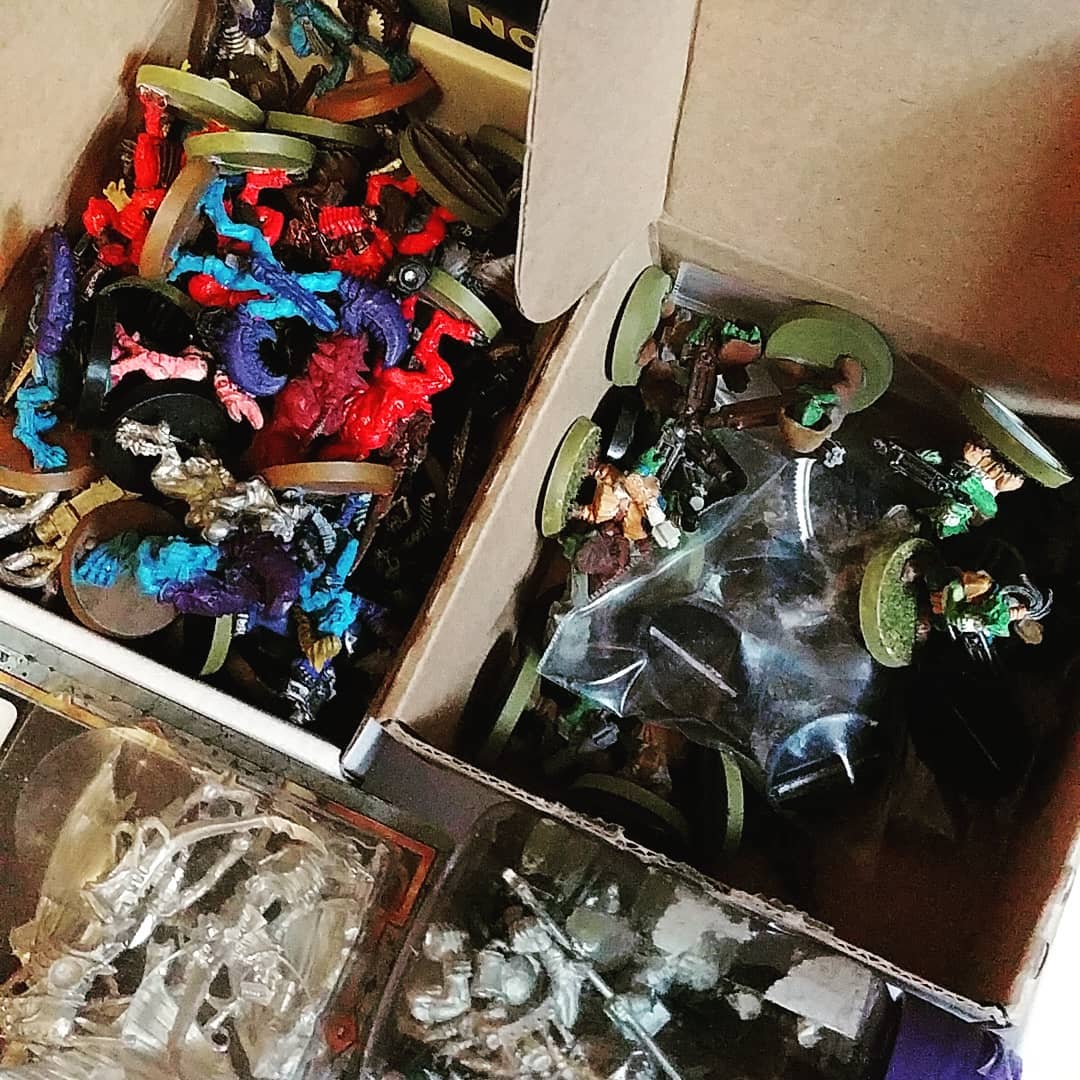
I talked last summer about moving and getting rid of a ton of old Warhammer figures.  I’d built and painted a lot of them.  Some of them were classic figs from twenty-odd years ago.  A few of them were honestly kind of beautiful, in their own way.  A couple were still sealed in the original package.

But, after a surprising amount of soul-searching, I finally just had to admit I was never going to play with these models again on the battlefield.  Or display them in any sort of cool way.  I was keeping them… just to keep them.  Because they were classics and that’s it.  Heck, I’d guess at least a third of them were for armies I didn’t even play anymore.  They were just cluttering up my shelves, and had been for years.  A couple of them for decades.

So I saved a few, maybe six or seven, that I thought I may use someday.  Or just really liked a lot.  The rest… got traded in for store credit.

But here’s the thing.  With them gone, my shelves became a lot cleaner and neater.  And I got a lot better with my hobby time.  I could find things much faster, which meant I was getting more done.   It sounds really straightforward, but getting rid of the clutter that wasn’t doing anything made my hobby much better.

I think this holds for stories, too.  As writers, we like to think the only limit is our imaginations.  But we’re still dealing with other restrictions.  The size of my manuscript.  The size of my cast of characters.  The patience of my readers. If someone’s going to take up space in my story, there needs to be a reason for them to be there.
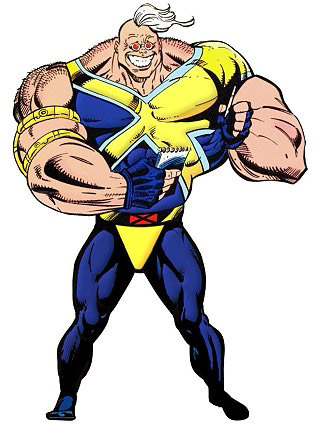
An example I’ve given before is Guido, the super-strong mutant from X-Factor.  Guido was a fun-loving, John Lennon-sunglasses-wearing guy who made the “gorilla body” physique popular years before Luther in The Umbrella Academy.  Also, as I understand it, now he’s dead and one of the lords of Hell or something like that, because who wants fun-loving characters around when we could have drama, right? Or maybe he’s alive again.  I lost track.

Anyway…

When Guido made his debut with X-Factor at a press conference, one of the reporters called out “He must be the strong guy!  Every group’s got a strong guy!”  Which led Guido to start calling himself Strong Guy from that point on, but also drew attention to the point that… well, yeah.  Every group does have a strong guy.  Because in the stories most superhero comics lean towards, a strong guy is very handy to have around.  There’s a reason to have them on the team and in the story.

In stories, we sometimes end up with characters that don’t serve a purpose.  Perhaps they’ve got a fantastic voice or a really clever description.  Maybe they’re a kind of character that doesn’t get seen a lot.  Maybe I came up with the idea for them in the shower and just really like how they turned out.

But if they’re not really doing anything to advance the plot or the story… I should probably get rid of them.

Before anyone goes nuts, I admit this is a bit of a broad statement.  There are going to be lots of characters in any story, and some of them are going to have a minimal-at-best effect on the outcome.  The guy serving our food.  That woman guarding the armory.  The fourth person to die in the battle.

Thing is, though, I shouldn’t be putting a lot of effort into someone who isn’t actually going to be doing anything.  All my characters should be propelling the plot and/ or story forward.  If they’re just standing around not really doing much… well, why would I spend a lot of effort on them?  Why give them a name and a backstory and a detailed physical description if all they’re going to do is walk up to the table and drop off three drinks?

This brings me nicely to a potential exception to this statement.  Sometimes we just run into someone interesting.  That one person who stands out because of their wild wardrobe or random pearls of wisdom or… heck, I don’t know, maybe they’re just funny and flirting a lot.  It’s not that uncommon to have this sort of chance, memorable encounter.  Think of the bit player in a movie who stands out in a scene just as much as the main character. Sure they exist, and we all love to encounter them in a story.  Sometimes the reason to be there can just be “this is really cool.”

However…

If I’ve got three or four or more characters like this, that’s starting to really cut into my page count.  At just three or four pages per encounter, that’s twelve or sixteen pages of my manuscript that have nothing to do with my story.  It adds up quick.  This is me deciding I’ll keep a few of those little toy soldiers, but just the special ones, and the ones that look good, and the ones that have fond memories, and the rare ones,  and suddenly I’ve put a hundred of them back on the shelf.

If I’m one of those writers who tries to make every single character special… well, there’s a good chance people are going to start getting frustrated with my lack of focus.

Y’see, Timmy, it keeps coming back to that idea of clutter.  Things getting in the way and slowing us down.  It’s okay to a small extent, but once it hits a certain point… we just have to stop everything.  And the people we’re trying to impress with it…  they’ll probably get annoyed with me.  Or flee in terror and call one of those hoarders shows.  Or the literary equivalent of one, I guess.

I may have some of the coolest, rarest, most beautiful characters out there.  But if they’re not really doing anything, I should maybe at least consider getting rid of them.

Speaking of which, next time…

Well, I’m starting a new book, and we haven’t talked about that whole process in a while.  So maybe I’ll talk a bit about drafts.  Unless one of you has something else you’d rather hear about?

Until then… go write.

April 4, 2019

Shadow Agency

This week—requests are granted! Also, as you may have noticed, the majority of responses I got in comments/ tweets/ DMs/ etc were in favor of the new layout, so I’m going to stick with it for now.

A few weeks back someone asked about characters. How do I get a sense of who they are. How do I make sure when they do something it’s what they’d do instead of just what the plot (and by extension—I ) want them to do?

Okay, these are two related-but-different questions. Let’s look at each of them on their own, then figure out that relationship-overlap. Which I think is what we’re aiming for with this request.

Also, because there’s a lot to unpack here, expect a lot of links to previous posts. I don’t want to bury you in too much rehashed stuff. You’re here for exciting hot takes on the art of writing, yes?

First off, how do I get a sense of who my characters are as individuals?  What makes them unique?  What makes them stand out?

One thing would be their general backstory and personal preferences. If I’ve got a character—especially one of my main characters or important supporting ones—I should know a lot about them. And I’m talking about me, the author.  For almost all of my characters, there are things I know about them that never make it into the books. Maybe it’s about their relationship with their parents, their worst class in school, or their favorite bands. It can be games they play, people they’ve slept with, or their first car. A lot of this sounds like weird stuff, yeah, but all of this says a little something about who someone is, which means it’s going to affect how they react to the world around them.

There’s also their voice. The way people phrase things and the words they choose. Their background will have an effect on how they act, and it’s also going to effect how they talk. This is one of the easiest ways to make characters distinct on the page (or in an audiobook).

Also, I could think about how people react to this character.  Do folks wince at the sound of Dot’s voice? Do they instinctively lean away from Wakko? Do they lean toward Phoebe? And are people right to react this way, or is it because they know something else that we don’t?

All of this should give me a really good sense of who my character is. Again—I probably won’t use all of it. I may never see Yakko stumbling through a date or listening to music or reminiscing about his old VW Bug. But these are all the little elements that help move a character from a basic stereotype and into actual, memorable person-hood.

Okay, the second part of all this is about these characters making decisions. 

There’s a term you may have heard around the interwebs called agency. It first appeared back in the 1700s, when people were having Enlightening discussions about philosophy and sociology. At its simplest, agency refers to free will. Can a person make their own choices and affect the world around them? How much does the world they exist in restrict that ability to make choices? If I can’t travel alone, vote, or choose who to love… do I have free will, or just the appearance of free will? Do people in prison have free will? Free will may have gotten them there—or maybe the conditions forced on them by society did—but now they have almost no freedom to make choices at all, so…? Is there a point where I no longer have free will?

Anyway, that’s all heavy stuff. It’s a little different (and easier) for us when we’re talking about agency in a literary sense. Fictional entities don’t have free will because they’re… well, they don’t actually exist. But as a writer, I need to make my readers believe these characters are real people who are having an actual affect on the world around them. They need to do things, and these things need to matter. If cowards are suddenly going to leap forward and be brave, there should be a clear reason. If a cold person falls madly in love, we should understand why and how. If someone decides to open the spooky mystery box after it’s killed half their friends… well, we should be with them on this, even if we don’t like it.

Yeah, sure, it’s possible to make inconsistent decisions or choices that move the plot forward. We’ve all seen it happen. The wonderful A. Lee Martinez(he of the Constance Verity books and the Save The Movies podcast) came up with plot zombie a little while ago to explain this. It’s when characters are only acting in service of the plot, not out of any actual developed or established character traits.

This is, just to be clear, a bad thing. Y’see, Timmy, my characters need to face challenges and need to respond to them. They need to make choices—ones that are consistent with who they are. And the results of these choices should have a real affect on how the story plays out. Because if they’re not… Well, then they’re not really doing anything. They’re just empty puppets. Not even the good kind of puppets. They’re just sock puppets that I’m using to try to convince my readers this is a real story. 

So make your characters do things. In character.

Next time, I’d like to look at some things from a different angle.

Until then, go write.

March 21, 2019 / 4 Comments

Not Just Heroic…

Trying something a little new with the formatting here. Please make your comments/ thanks/ complaints in the space down below.

Anyway, looking at the calendar, it’s getting to that season where I blather on about superheroes again.

Or maybe superpowers.

Or both. They’re kinda related after all.

As some of the book covers displayed on this page suggest, superheroes are kinda my jam. Have been for years and years now. I wouldn’t claim to be an expert on the subject, but I feel safe saying my knowledge level is in the higher percentiles. I thought about these stories a lot as a kid growing up and, in a way, even more since I’ve moved into this odd career of “professional storyteller.” It’s a topic I can blather on about a lot.

As I’m about to demonstrate…

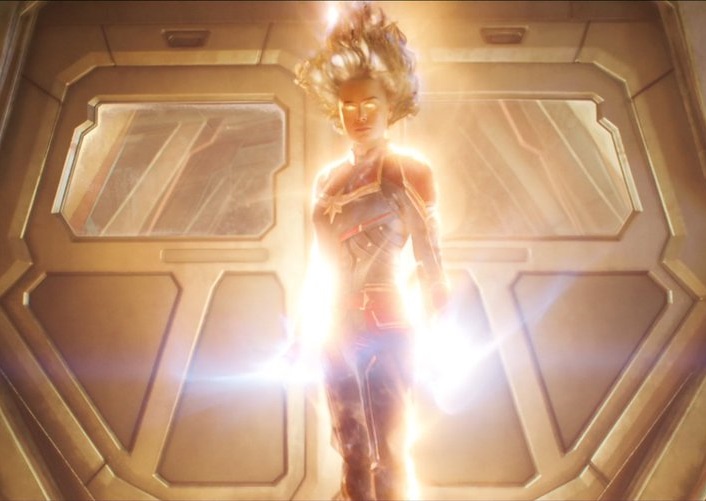
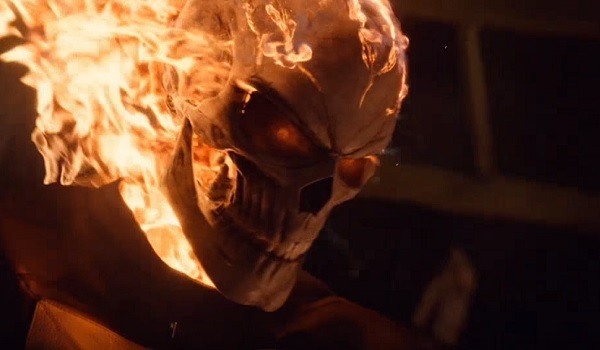
One thing I’ve noticed in some corners is a bad habit people have of labeling a lot of things “superhero” stories, because that title carries a lot of weight. About twenty billion dollars worth, if we go off the Marvel Cinematic Universe. Not exactly a bad weight to have hanging on your shoulders.

But…

I think it’s worth noting that there are a lot of differences between a superhero story and a story about people with superpowers.  They are not the same thing.  Not remotely.  And if I try to do one while using the devices and tropes of another… well, I’m going to mess with people’s expectations.  Which usually leads to a disappointed audience.

Now, granted, none of what I’m spouting here is formal rules set down by tenured professors or doctoral candidates.  If we just look at a lot of fiction, though, we’ll see that this idea’s been around for ages.  Superhero stories and superpowers stories have always been two very different animals.

So, what are some of those differences?

Let’s break ‘em down…

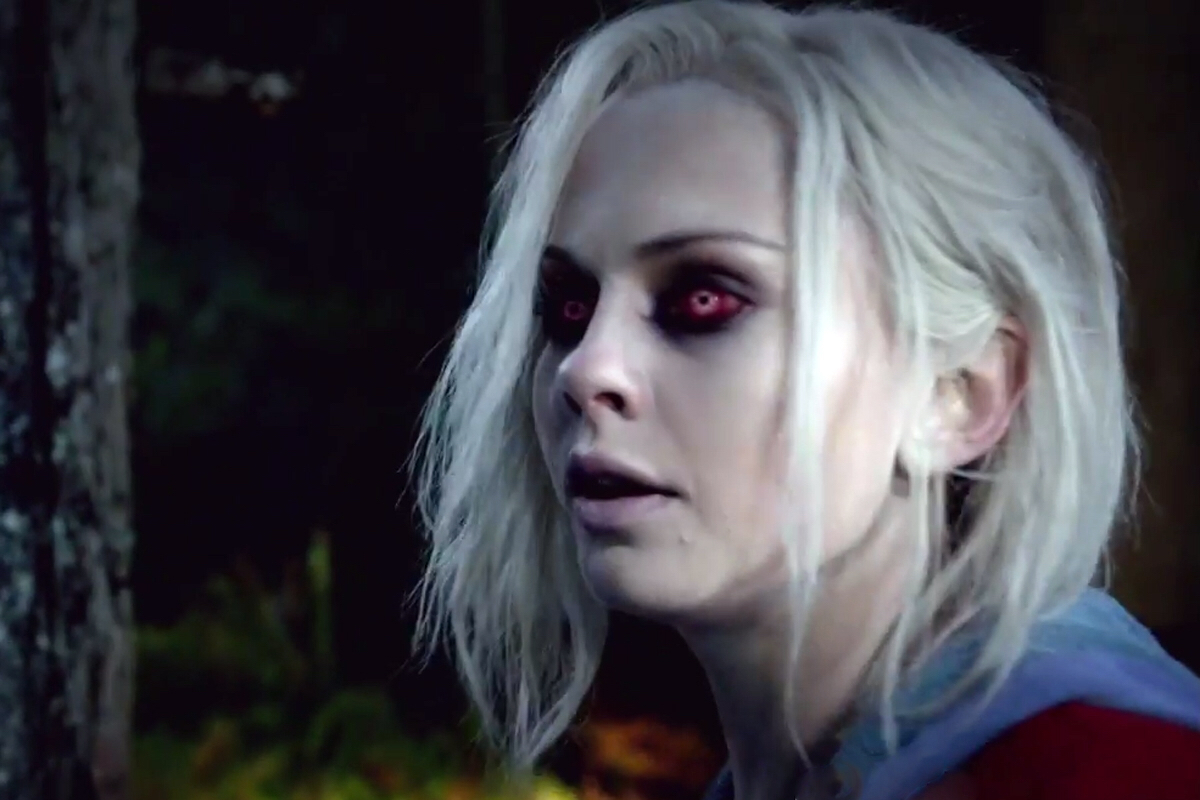
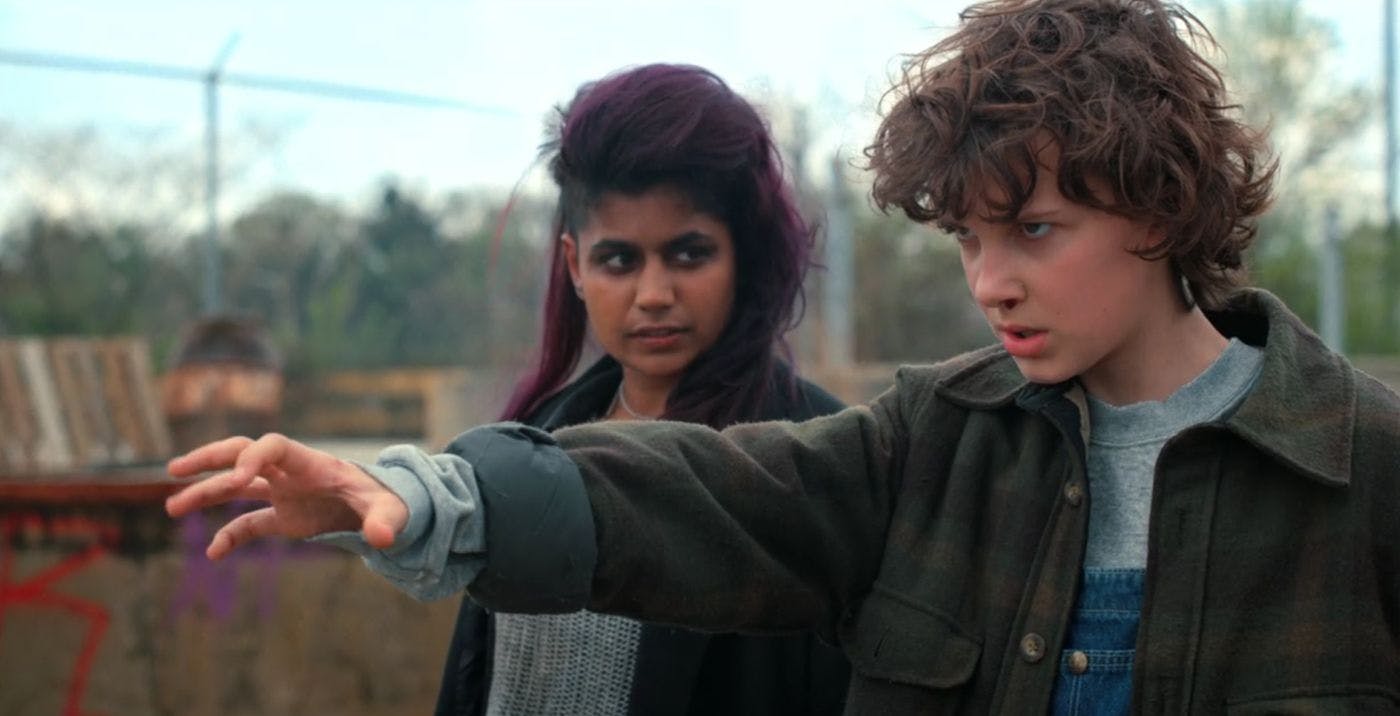
First off, superpowers do not automatically equal superheroes. We can all agree on that, right?  CarrieBlackbirds. Limitless. Girl Like A Bomb. Glass. Stranger Things. All of these stories feature people with superhuman abilities.

But are any of these superhero stories? Not really.  Just having some sort of superpower doesn’t automatically make someone heroic. Heck, in a couple of those stories the person with the powers is arguably the villain.

And that brings me to my second point (one of the big ones). Heroics depend very much on motivation. The same action can be heroic in one situation, almost cowardly or bully-ish in another. Or maybe it’s just an action. We all do things on a daily basis that are personally motivated, and maybe even a bit challenging, but it doesn’t make them heroic, right? A superhero story’s almost always defined by a character who makes a conscious decision to use their powers for a wider goal that may not benefit them (and often doesn’t). Obvious as it may sound… superheroes act heroically.

And just to be clear, when I’m speaking about heroic actions…  Don’t confuse heroic actions (i.e. actions that are brave and selfless and pure of heart) with the actions of our hero (i.e. actions taken by the protagonist). Just because he or she’s the hero of the story doesn’t mean all their actions are automatically heroic. Make sense?

Good.

When we read stories about super-powered folks, though, they’re almost always more personal and intimate. Dare I say… a little selfish. In these stories, people are doing things much more for themselves than for any sort of greater good. It’s not that they’re evil, it’s just that the plot concerns them first and maybe the world second or third.  If at all.

Another common point of confusion here is doing the right thing for the wrong reason. Is Yakko taking down the bad guy because it’s the right thing to do… or just to get revenge? Is Dot stopping the bomb to save thousands of innocents… or just to save her friends who are handcuffed to it? Is Wakko fighting the Automata Society to end their reign of terror… or just so they’ll stop coming after him?

A third point (strongly related to the last one) is that superhero stories tend to be about public use of powers and abilities. They’re about people who’ve decided to use their abilities to help others, and they get seen doing it. This public nature also means they deal with public reactions of one kind or another. Sometimes they’re loved, sometimes they’re feared and hated.

I’ll note a lot of stories that are just about folks with superpowers tend to involve hiding abilities. Keeping things secret from the world at large. In the same way their motives are personal, their actions tend to be a lot more low-key and behind the scenes. In fact, when abilities get revealed in a superpowers story, it’s almost always a cause for panic.

That flows nicely into point number four. The abilities in superhero stories tend to be much more extreme. Phoebe’s not just strong, she’s throwing-cars-down-the-street strong. Wakko doesn’t just move things with his mind, he can throw cars down the street with his mind. Dot doesn’t just start fires, she can throw fireballs that blast cars down the street.

You get the point. Superhero stories involve throwing a lot of cars around.

But when a story’s just about someone with superpowers, we tend to see a lot more limits on those abilities. Not always (Dark City and The Lathe of Heaven come to mind), but most of the time they seem to be much more grounded in reality.  A little easier to rationalize, at least. Side effects and odd handicaps are much more common.

And for our fifth and final point, let’s talk about the elephant in the superhero room. The costume. The outfit that hides our hero’s secret identity from the world.

I wouldn’t say a costume/ secret identity is absolutely necessary, but I do think it creates a lot of odd situations in my story if there isn’t one. If everyone knows who Yakko is, then they know who Yakko’s friends and family are.  They can find out where he lives and shops and eats. If he’s not using a secret identity, he’s either aiming for a very solitary life or he’s painting a lot of targets on people and places.

One other aspect of this a friend of mine once brought up (he’s one of the writers on the new Pet Semetary movie (shameless plug)) is that a superhero often becomes an identity unto themselves. They’re iconic symbols, and not necessarily tied to the people who first created them. Spider-Man, Batman, Ms. Marvel, Superman, Captain America, the Flash… all of these superhero identites have had multiple people behind them.

Compare all of that to a story about superpowers, where secret identities almost never come up because… well, like I mentioned in point three, nobody knows about them. I don’t have to hide my identity when I teleport because I do everything I can to make sure nobody finds out I can teleport. So the people in these stories tend to wear… well, street clothes. They never duck into a phone booth to change before using their powers in public because—again—they almost never use their powers in public.

Okay, for our sixth and final-for-reals-now point, let me add this. The setting matters a lot in these stories, too. If I’m just telling a story about superpowers, they’re almost always set in the real world. Or, at least, a world indistinguishable from the real world to the casual viewer. Because if they weren’t, it’d imply having superpowers wasn’t that impressive. Being telepathic in the sci-fi world of the Federation—a coalition of hundreds of alien races with unique abilities– is checking a box on a recruitment form. Being telepathic in a documentary about 1940’s Paris, though… that’s freakin’ amazing.

Superhero stories, though, tend to take place in worlds that are already fantastic. They’re already pre-loaded with amazing things. Consider the Marvel Cinematic Universe. Aliens are real and publicly known. Magic is real and publicly known. Cyborgs.  Androids. Inhumans. Demons. People fly! Lots of people! This is not the world outside anyone’s window.

Now, again, this is not a set of iron-clad guidelines. I have not defended my thesis or gone through rigorous peer review. This is just forty-odd years of observation paired with forty-odd years of thinking about how stories are told. And, as I often say, there’s always going to be exceptions. So if I’ve got a superhero who doesn’t wear a costume or a super-powered person who’s acting very heroically, it doesn’t mean my whole story’s about to collapse.

But maybe I should run my story of super-powered beings through this list and just see what side of things they fall on. Does most of it line up with the kind of story I want to tell? Is the label I’m putting on it—and the expectations that label will bring—going to match up with what my story delivers?

Because if it doesn’t… maybe I’m writing the wrong thing.

Next time, I’d like to quickly revisit an old favorite before heading off to Wondercon for the weekend.


Until then… go write!

Categories