
May 6, 2016

The Challenge Round!

            Back from Texas Frightmare, where a fantastic time was had by all.  Well, maybe not all, but everyone I talked to seemed to be having a good time.  If one of those folks happened to be you, thanks for stopping by…
            Also worth mentioning—this is post #350 here on the ranty blog.  I’m kind of amazed I’ve managed to come up with this many posts. Even more amazed that so many folks keep reading it.
            So thank you all very, very much.
            But on to today’s (hopefully) helpful rant…
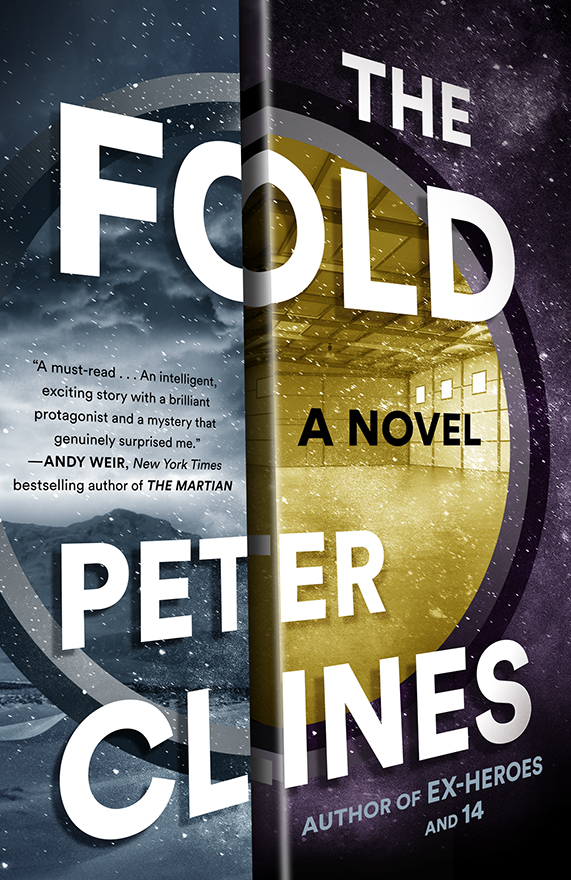
            A basic element of storytelling is the obstacle.  It’s what stands between my characters and whatever it is they want.  In The Fold, solving a puzzle for his oldest friend is what stands between Mike and getting back to his normal life.  A lot of time and a whole lot of space stands between astronaut Mark Watney and getting home to Earth.  The monstrous Zoom stands between the Flashand keeping his home city safe, but so does the potential risk of regaining the “speed force” that makes him the fastest man alive.
            Although, seriously… is it just me, or for “the fastest man alive” does Barry run intoa lot of people who are faster than him?
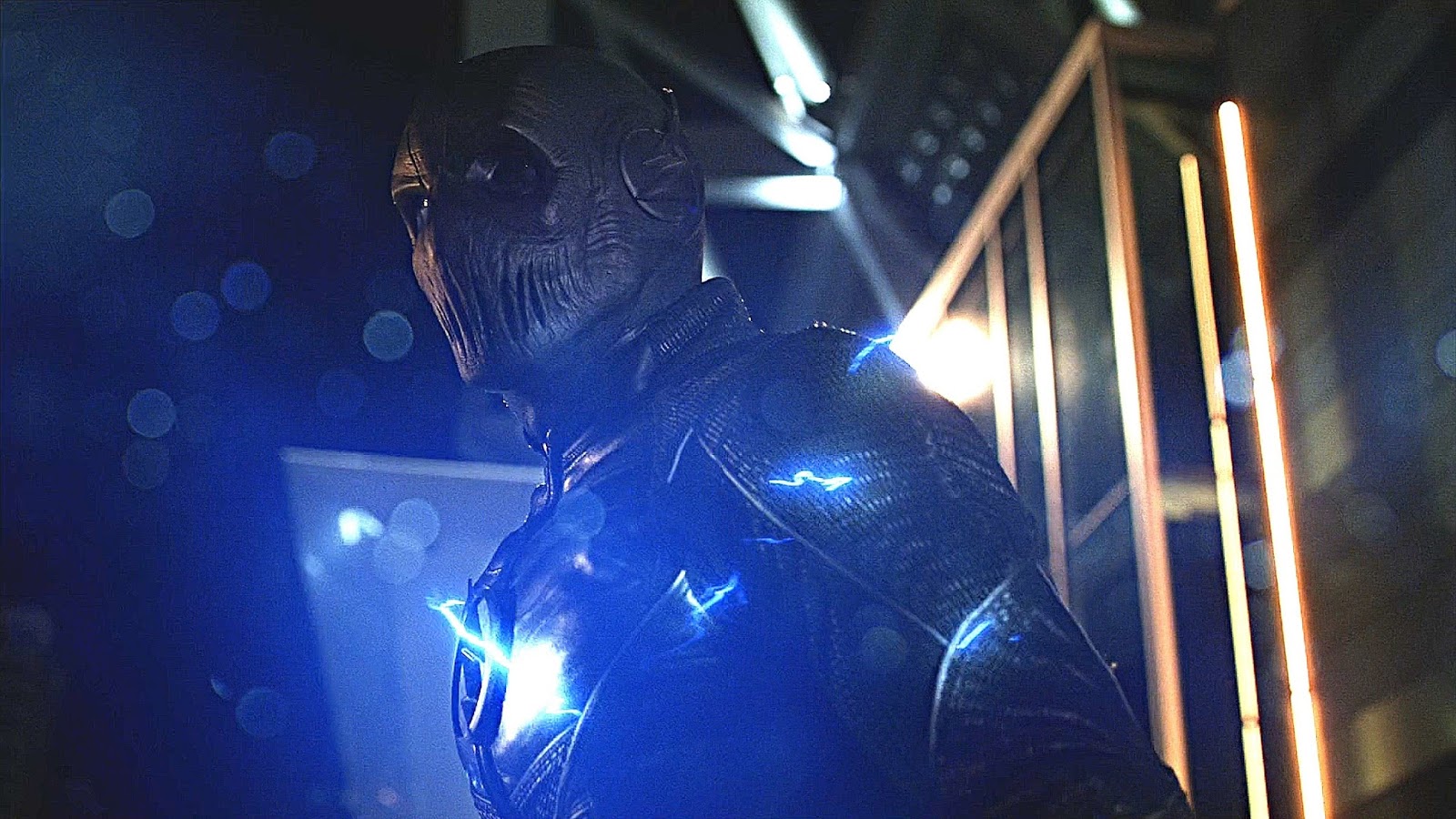
            Folks may have different thoughts on this, but—personally—I think an obstacle is slightly different from a conflict.  It’s just terminology, but I’ve noticed that exterior problems tend to be called obstacles a lot of the time, while interior ones are almost always labeled as conflicts.  In that example above Barry has to defend the city and his friends from Zoom (obstacle) but also has to weigh the risk of setting off the particle accelerator again to regain his powers (conflict).  Make sense?
            Now, while in strict literary terms either of these can be correct, I prefer to use the term challenge.  I’ve found that thinking about “obstacles” tends to guide the mind toward physical impediments, like parts of an obstacle course.  While this isn’t technically wrong, it does seem to result in a lot of the same things.  This is when you get challenges that have an episodic feel to them.  Character A defeats obstacle B, then moves on to obstacle C, and finishes up with D.
            Anyway, I’ve gone over it in the past, but I thought it might be useful to go over some tips about challenges.  Some of them you might not have considered before, and a few of them… well, one or two it’s kind of sad that I feel it’s necessary to bring them up.
            For example…
I have to have one.
            Yeah, this sounds basic, I know, but it’s surprising how often I see stories where people either sit around doing nothing or just stroll through events with no worries or effort.  They’re geared up for whatever they might run into, from werewolves to biological warfare.  Anything they don’t have just appears.  Anyone they meet is willing to help.  Any lucky break that has to happen does so at the perfect moment.  I know this sounds silly to most of you, but it’s honestly stunning how often this happens in amateur books and screenplays.  Heck, it’s bothersome how often it happens in professional writing.
            There needs to be something between my characters and their goals, because if there isn’t, they would’ve accomplished these goals already.  If I want a LEGO set, I  can walk up the street to Toys R Us and get one– that’s it.  Not exactly bestseller material, no matter how much pretty language I use.  On the other hand, if I want the Transforming Interlock-Cube Tactical Operating Chestplate that MIT designed for a black-ops branch of the NSA… well, getting that’s probably going to involve getting past fences, computer-locked doors, armed guards, a laser security net, pressure-sensitive floors, a badass female ninja, and that’s before we find out Theodore’s a traitor and he betrays us all (knew we shouldn’t’ve trusted that guy…)
            That’sa story.
My characters need a reason to confront it.
            If my characters are going to take on a challenge, they need a reason to do it.  A real reason.  Watney isn’t alone on Mars growing potatoes as part of a psychology experiment—this is his only real chance at survival.  When things start to go bad at the Albuquerque Door project, Mike doesn’t stick around because he can’t get an Uber to the airport—he stays because the lives of his new friends are at risk.  If Zoom isn’t stopped, he’ll kill thousands of people just to amuse himself.
            Make sure this reason is really there.  It may be obvious in my head why the characters are going to undertake a challenge, but is it that clear on paper?  This is especially true for more internal challenges, where my readers need to see why Mike is so hesitant to use his gifts and why it’s a big deal when he finally embraces them.
I need a reason for it to exist.
            A combination of the first two points.  Nothing’s worse than a challenge that has no reason for existing in the world of the story.  No past, no future, no motivation—it’s just there to be something for the protagonist to overcome.  We can probably all think of a book or movie where an obstacle just popped out of nowhere for no reason at all.  That kind of stuff just weakens any story. 
            Challenges have a purpose.  They’re characters in their own right, or maybe obstacles other characters have set in my protagonist’s way.  There’s a reason Zoom exists (he was caught in Earth-2’s particle accelerator explosion), and there’s a reason he’s going after the Flash (he needs to absorb speed force to keep himself alive). He didn’t pop through a breach and start tormenting the Flash and company for no reason.  I need to think about why a given challenge is in my story, and if there isn’t a real reason… maybe I should stop for a few minutes and re-think it.
            I’ll add one other note here.  It’s generally better if the audience (reader or viewer) has at least some idea why said challenge exists.  They don’t need to know immediately, but I also shouldn’t save it for the last ten pages… or never reveal it at all and just vaguely hint at it.  “Oh, that demon that’s been hunting us since sundown… it’s probably after me. We’re psychically bonded.  Probably should’ve mentioned that sooner.”
It has to be daunting.
            It’s bad enough Zoom is about ten times faster that the Flash on a good day, but now Barry’s lost his powers altogether.  He can barely sprint across a parking lot.  Voodoo practitioner Kincaid Strange has to risk her career, her freedom, her life, and maybe even her immortal soul to figure out who raised an impossible zombie in her city.  If the Avengers don’t stop Ultron, it’s going to cause an extinction-level event and wipe out all life on Earth.  This is something I mentioned a few weeks ago—the stakes.
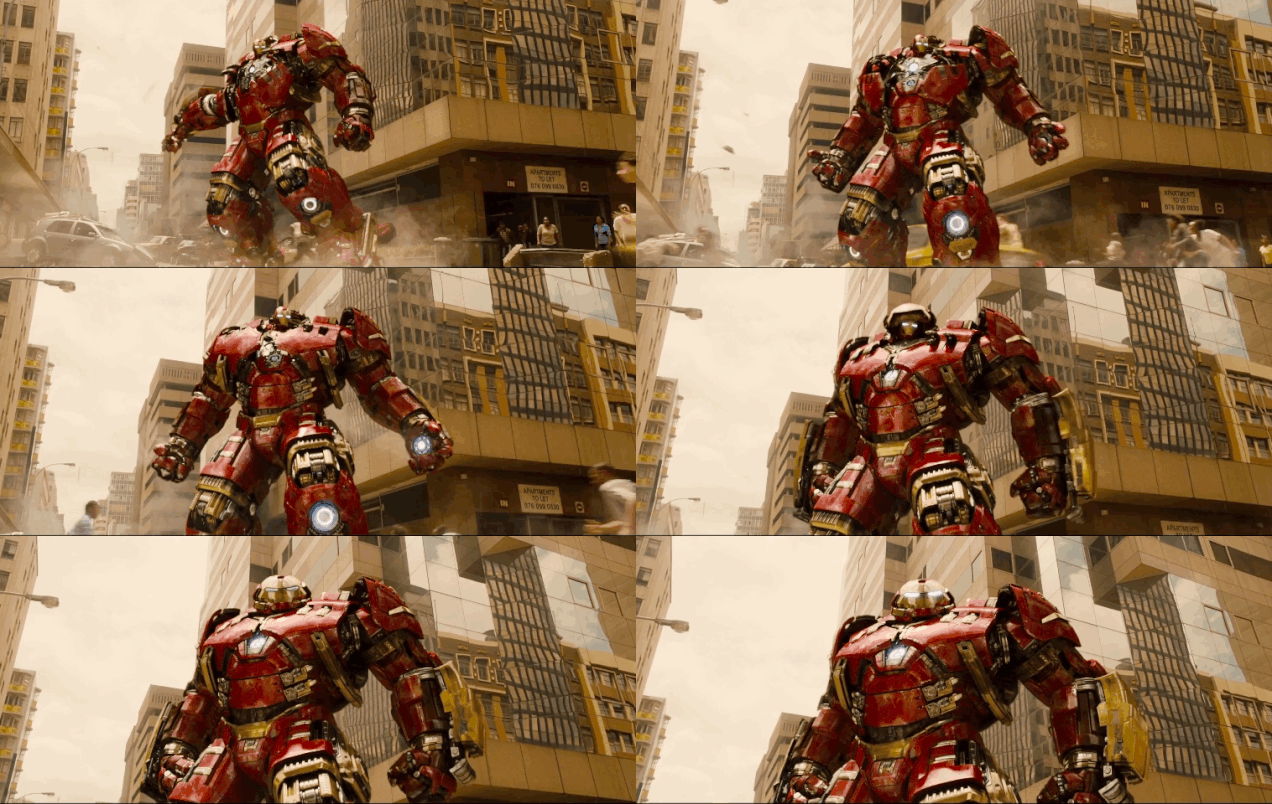
            Characters should never want to deal with a challenge, because let’s be honest– we’d all love it if more things were just handed to us.  Again, getting LEGO vs. getting the TICTOC.  A challenge needs to be something that gives the character (and the audience) pause, or else it isn’t really a challenge.  Tony Stark has built a suit of armor that can take on armies, and an even bigger suit of armor that goes over that one, but he still feels his bladder tremble when he realizes he just got the Hulk angry.
It can’t be impossible.
            There’s nothing worse than being on the wrong side of a sure thing.  Nobody reading this wants to get in a fist fight with Dwayne “The Rock” Johnson because we all know it’d be no contest.  None of us want to be given the responsibility of stopping a runaway asteroid or even just a runaway bus, because I’m willing to bet for all of us here (myself included) those would be things we just couldn’t deal with.
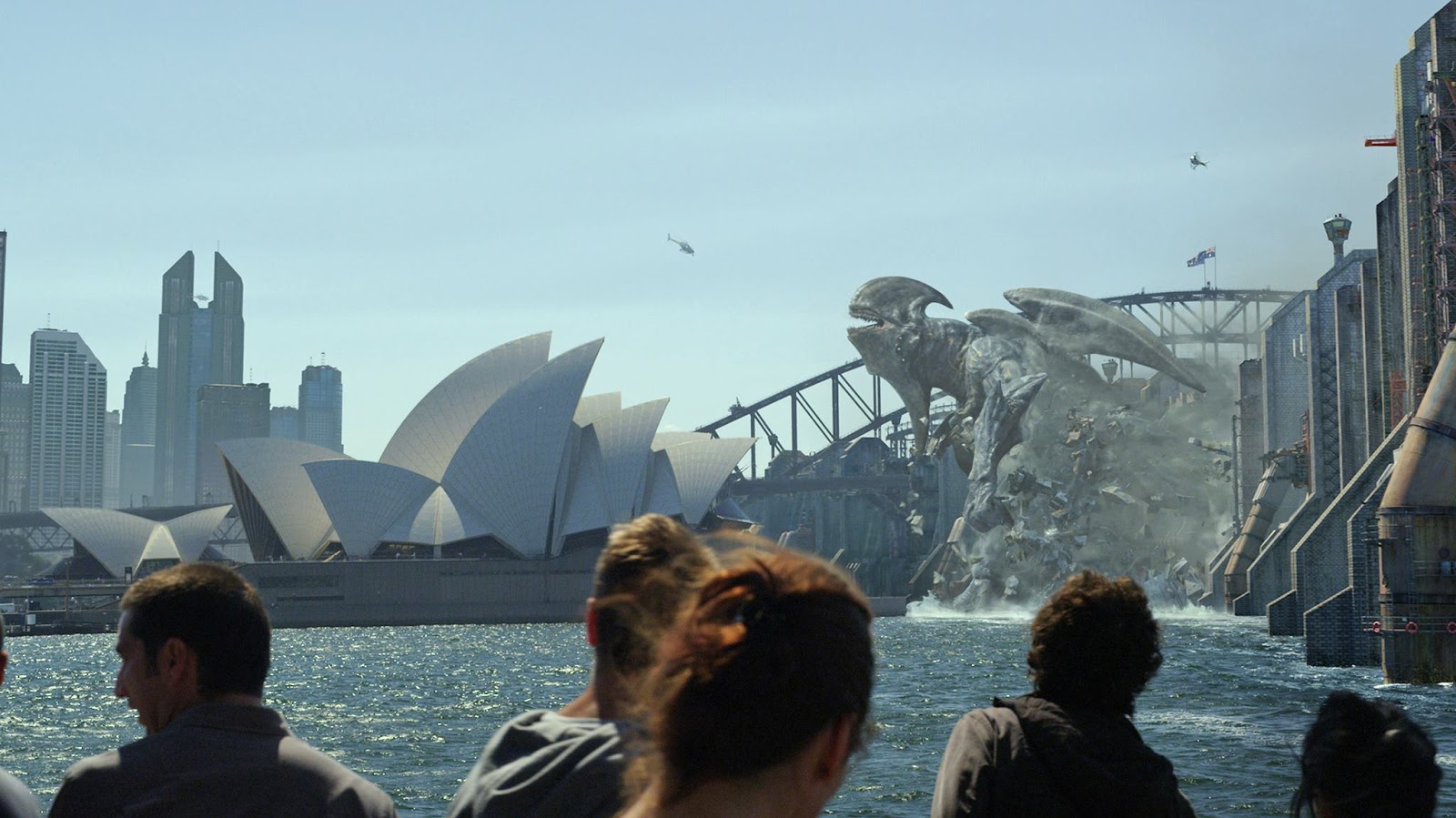
            If you’ve ever watched any sporting event, you’ve probably noticed they’re more or less evenly matched.  The Red Sox don’t play against little league.  NFL teams don’t face off against pee-wee football teams.  The most boring stories tend to be the ones where the heroes have no chance whatsoever of meeting the challenge.  Torture porn or Ju-On horror are great examples of this.  They’re great for a bit of squeamishness or a few jumps, but we can’t get invested when we already know the outcome.  I recently recalled someone theorizing that zombies are so popular because zombies are the monsters we can beat. Werewolves, vampires, demons, kaiju—if these attack, we’re just screwed.  They’re too far past us.  But I’m willing to bet everyone reading this has something within ten feet of them that they could take out a zombie with.
            As long as it’s just one zombie.  Maybe two or three…
            The other risk to be careful of here is if the challenge is completely impossible and my hero pulls it off anyway, it can look unbelievable and knock my reader out of the story.
            Actually, one last thing.  The challenge can’t seem impossible to the character, but have a painfully obvious solution to the reader.  My readers have to identify with my characters, and this kind of thing makes my characters unlikable by nature of their stupidity. That’s not going to win anybody points.
It should be unexpected.
            This isn’t an absolute rule, but it’s something I still lean heavily toward. 
            If there’s a challenge and my characters know about it, then that challenge immediately loses some of its strength.  If they have time to plan or prepare or equip themselves, the challenge shrinks accordingly.
            Consider this—every heist movie involves an enormous challenge—usually getting past security to break into a vault or museum.  There are many chapters or scenes of preparation.  Then, almost without exception, in the middle of pulling the job, something happens that the heroes aren’t prepared to deal with.  A new set of guards, new security equipment, or just that bastard Theodore betraying us and setting off the alarms in the elevator shaft.   This is where the story gets exciting.  If my heroes are so trained  and ready for anything that the job goes off without a single hitch, then there really wasn’t a challenge, was there?
            A bonus of the unexpected challenge is that it often gives my characters a chance to look better.  When they beat the unexpected challenge through sheer skill or cleverness, it makes them all the more likeable.  Because my readers are going to identify with them, and most readers like identifying with skillful, clever people
I need to resolve it. 
            Once I’ve set up a challenge, the readers need to see it resolved somehow.  We can’t set Zoom loose on Earth-2 and then just forget about him.  Once Mike realizes what’s going on with the Albuquerque Door, he doesn’t wash his hands and walk away.  I can’t have my hero pining over their lost love for the first third of my story and then never, ever address those feelings again.  Believe me, readers will remember these things.  Once I present a challenge to the audience it can’t be forgotten or ignored.  As Chekhov once said, if we see a phaser on the bridge in act one, we need to see it fire in act three.
            So make sure the challenges in your writing really are challenging, for the characters and for your audience.
            Next week—I’ve been going over a lot of general story stuff for a while, so I thought I’d take a few minutes to go over some things aimed more at the big screen.
            Until then… go write.
April 28, 2016 / 2 Comments

Spelling—Yes, Again!

            By the time you’re reading this, I’m either high in the air soaring over the American southwest, or possibly landed and already in the hotel bar.  Yes, even if you’re reading this sometime on the weekend, there’s a decent chance I’m in the hotel bar.  I’m at Texas Frightmare Weekend, stop by and say hullo.
            Anyway…
            Looking back through things, I decided we were overdue to discuss that most favorite of topics… spelling.
            I know I hammer on spelling a lot.  At least two posts a year, which means something like one out of twenty posts on average.  I brought it up at the Writers Coffeehouse recently and got a couple pleasant smiles and a few eye-rolls from folks.  Even as a non-telepath, I could almost feel and hear the thought-waves bouncing around the room.  “Of course we need to know about spelling. That’s a given. Can we get to the important stuff?”
            Here’s the thing though…
            I’ve talked with lots of editors.  And a couple of agents.  Plus, back in the day, I interviewed a dozen or more folks who ran screenwriting contests across the country (even some of the really big ones you’ve heard about).  D’you know what every single one of them named as the number one mistake they saw?  The most glaring, common problem with submissions?
            Spelling.
            Grammar came in a close second, but everyone said spelling first.  Not formatting. Not subject matter. Spelling was the problem they saw again and again and again.
            Which is why I tend to go on about it here.  It’s a very basic, very common problem, one that can lead an editor to throw my manuscript on that big pile on the left.  And I think the advent of technology has made it a hard problem to acknowledge. For example, if you’ve been following the ranty blog for a while, you might remember me using this sentence a few times before…
Inn odor two kell a vampire yew most half a would steak.
            Now, the first impulse is to say pretty much every word in that sentence is spelled wrong.  The catch is… none of them are.  Oh, most of them aren’t the right word, yes, but they’re all spelled correctly.
           This is what I’m talking about with “the advent of technology.” See, when I ran this document through a spellchecker, it leaped right over that sentence.  Because there aren’t any spelling mistakes in it.  And so this leads a lot of people to believe they’re much better spellers than they really are.
            Also, to be clear, I’m not talking about typos.  Y’know, when you’re going to fast and leave an O off too, or you’re just caught in the moment and miss that R altogethe.  Or we’re in a groove, type hearinstead of here, and forget to go back in the flurry of words.  That happens to everybody.  All of us make typos.  Every pro writer, every novice, every rank amateur.  I don’t think I’ve ever shown a manuscript to a beta reader or editors and not have them find at least half a dozen typos in there.
            What I’m talking about is not knowing how to spell in the first place.  If I don’t know the difference between itsand it’s, I’m going to have a tough time as a writer. Same thing with the infamous they’re, their, and there.  If I’m pretty sure I know what anathemameans (deadly poison, right?), but I never bother to actually learn what it means, odd are I’ll be using it wrong a lot. 
            And when I make all these mistakes, my spellchecker’s still going to tell me my manuscript is absolutely fine.  And so some folks who are really awful at spelling never improve.  They see no need to.  The computer told them they were right.  You’re not going to argue with the Machine, are you!?!?  It told me the words were all correct!!
            That’s when this gets really silly.  Sometimes the spelling will be so redacalusey off on a word that spellchecker kind of flails for a second and throws out its best guess.  And if I don’t know how to spell or what words really mean, I might just blindly accept whatever the Machine tells me.  Like up above.  You understood from context that I meant to write ridiculously, but the spellchecker just looked for a close match and gave me radicalize.
            Let me give you another example.  I read a manuscript recently with a heavy crime element and it kept referring to “the infighting incident.”  I could not for the life of me figure out what it was talking about.  Was there some internal mob power struggle going on that I’d missed?
            After a few attempts, it hit me. The author hadn’t written in infighting—they’d written insighting, a bad attempt to spell inciting.  So when the Machine hit insighting, it suggested the closest word and they said “sure, change it.”
            Check out this list of words. They’re all pulled from various books, articles, and blog posts.  One or two of them were mine.  All of them are from people trying to come across as professionals.
a lot vs.allot
pleas vs.please
possible vs. posable
mascara vs.massacre
tact vs. tack
your vs. yore
aloud vs.allowed
lo vs. low
canon vs.cannon
peak vs. peek
ensure vs.insure
Claus vs.Clause
marital vs.martial
wanton vs.wonton
            Did you know them all?  Did you reallyknow them all, or are you just sort of aware that these are two different words?  If I picked one of these pairs at random, could you tell me the difference between these words?
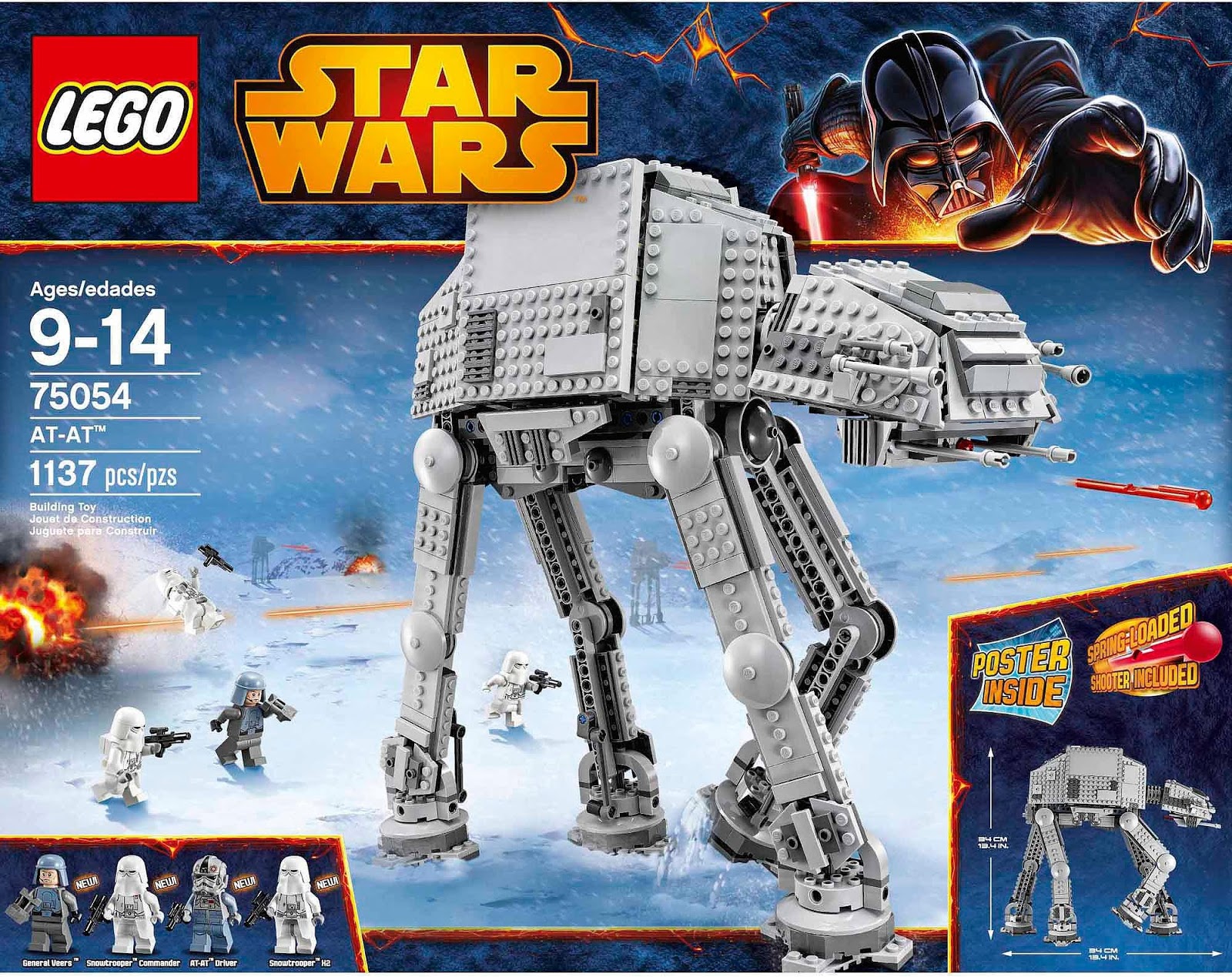
            For example, Amazon once offered a LEGO AT-AT for sale which came with possible legs.  I’ve lost track of how many authors I’ve seen fire canons at me, often back in the days of your.  And if we’re talking about late night encounters, would you rather be writing about a peek experience or a peakexperience?  Depending on your personal preferences, either one might pique your interest, but they’d be two fairly different things.  And when I try to bring these points up in discussion, somebody almost always tries to change tact.
            If I want to be a writer, I have to know words.  I have to love them.  Words need to be to me what clay is to a sculptor.  A sculptor can tell the difference between clay and plasticene, between green stuff and Fimo, and between Sculpey and Play-Doh.  I need to know the difference between they’re, there, and their.  I need to understand that infighting and inciting aren’t remotely the same thing.
            I need a better-than-working vocabulary.  I need to be able to spell.  Me, not my spellchecker. Because my spellchecker is an idiot, and idiots make lousy writing partners.
            Next time, I’d like to challenge you with something we haven’t talked about in a while.

            Until then… go write.

April 7, 2016 / 4 Comments

Looking For Something To Lean On?

Wow.  This is so crazy overdue.  My sincere apologies, and many thanks to the six of you who’ve hung around this long waiting for a new post.

Alas, I’m going to be touching on an old idea, and doing it with an old story.  But it’s all kind of relevant…

So… true story time.

As many of you know, I worked in the film industry for many years as a prop master. What some of you may not know is that about… wow, seventeen years ago I was working on an alien invasion film and messed up my knee. Ruined it, really.  I was running up a staircase with a case of props for the alien autopsy scene and turned too fast on a stairwell landing. Well, I turned. My knee twisted. It actually made a bubble-wrap noise.

I spent about an hour that night in a quiet part of the set crying into my arm because the pain was so bad.

After that, I spent two and a half months walking with a cane and dry-swallowing painkillers before I got in to have my meniscus rebuilt.

On my 30th birthday.

No, seriously. Think of all the many things you could do/did on your 30th birthday. Not for me. No booze, no party, no sex, no presents. I had a friend who drove me home from the outpatient clinic and dumped me on the floor of my apartment. And then three months of rehab after that.

I finally got back to full mobility, got back to work, and guess what happened?  Less than five months later, I damaged the other knee on a straight-to-DVD movie.  This time it was three months of waiting for workman’s comp to schedule surgery.

At least the cane was broken in by this point.

After almost a year and a half of sitting around doing nothing… I’d put on some weight. And when I say “some” I mean it in the same way some folks say “yeah, Jeb Bush could’ve done better in those early primaries.” To be blunt, I’d packed on almost fifty extra pounds. And I am not a tall guy, so fifty pounds really shows on me.

Fortunately, an actor I was working with knew I was trying to trim some fat and shared a few tips. He also had a great personal trainer. Jerzy—said trainer—showed me a few exercises, offered some diet tips, but for most of those first two hours we just talked. And one thing became very clear.

There would be no hand-holding, no prodding. Jerzy wasn’t a “shout at you to do crunches” kind of trainer. I would get the instruction book, the rules, and then I’d be left on my own for a month. This was all my responsibility. After all, if I was going to lose this weight, the only person that could really make it happen was me. Jerzy gave me his home phone number, his cell, and his email. “But,” he said with a shrug, “if you really need me to tell you ‘don’t eat the chocolate cake’… you can’t be that serious about losing the weight.”

See where I’m going with this?

With the Writer’s Coffeehouse, this ranty blog, random messages on Twitter or Facebook, I’d guess every three or four weeks I get asked something along the lines of “how do you do it?” How I manage to sit down every day and pound out a few thousand words? How do I exercise the self control to plant myself in front of my desk and write?

The answer’s simple. There’s no trick to sitting down and writing. None at all.

You just do it.

Y’see, Timmy, if I’m serious about this, I shouldn’t need to find some clever reason or inspiration to get myself in the chair every day. I should want to be there. The real problem should be getting me out of the chair.

Which brings me back to Jerzey. I lost sixty pounds in fourteen months working with him. And in about two weeks I’ll be starting my tenth novel. That’s tenth published novel, to be clear. Published by someone else. Who gave me money for the right to publish my work.

I’m not saying that to brag or to disparage anyone else. I’m saying to make the point that one of the main reasons it happened is because I sit my butt in a chair and write. Every day.

And nobody needs to tell me to do it.

Oh, while I’m thinking of it, this Sunday is the Los Angeles Writers Coffeehouse! Noon to three at Dark Delicacies in Burbank. We’re going to talk about mysteries and twists and reveals. It’ll be fantastic, it’s free, and all you have to do is show up.

Next time—and next time will be very soon, I promise—I think we need to talk about what’s at stake.

Until then… go write.

February 18, 2016

My Dream Woman

First, before I forget…  Folks in the Los Angeles area, this weekend is the Writers Coffeehouse. Sunday, noon to three, at Dark Delicacies in Burbank. It’s free and it’s open to writers of all levels—from bare-bones beginners to seasoned professionals, and even a few mid-list hacks like myself.  Stop by, ask questions, have fun.

Speaking of writing advice…

This week I wanted to prattle on for a moment about one of those off-topics I tend not to talk about much.  It’s more of a mindset, and it applies to writers of prose and scripts alike.  I’ll give you a hint—it’s not a good mindset to have.

Let me toss out a hypothetical situation for you.  More exact, a hypothetical person.  I’ll call her Phoebe.  If you want to substitute a different name or gender, please go right ahead.

Just for the record, I have never known a Phoebe. I know two or three folks who’ve changed their names, and they weren’t a Phoebe before or after. That’s why it’s one of my four fallback names I use here all the time (the other three belonging to the Animaniacs). If I randomly referred to a woman in one of these examples as Colleen, Becky, Jennifer, or Katie, for example… I would get many calls/messages from people I know asking “is this supposed to be me?”

So… Phoebe.

Phoebe is, for the record, my dream woman. She’s what every man aspires to in a significant other. Smart.  Funny.  Kind.  Sexy.  Gorgeous. I can’t think of anything I’ve wanted more than to be with Phoebe. Feel free to take “be with” any way you like–you’ll be right.  She is, in all ways, perfect.

Well, perfect might be overstating it.

Just a bit.

To be honest, she could use one tiny improvement in the facial region. Her chin is kind of sharp. Makes her face a bit too triangular and pointy. A rounded chin would bring out her cheeks and her smile more.

Also… slight overbite.  You can’t really notice it until you’re close to her.  That’s when you can also see one of her incisors has this little twist to it.  Nothing braces couldn’t fix, though.  Maybe those transparent ones.  Invisalign?  Something like that.

Plus, she’d be much hotter if her hair was a bit lighter.  And not so long.  If she was more of a platinum blonde, Phoebe would be unbelievably hot.  So really she’s just a haircut and a box of dye away from being my perfect woman.

Speaking of which—please don’t judge me for this—Phoebe is a touch on the small side. Not flat, by any means, and they’re nicely formed. Really nice.  I’m not talking about anything grotesque, mind you, but something in a B-cup would give her an absolutely killer figure.

Again, though, that’s minor. Really minor. Heck, I think it’s just outpatient surgery these days.

Y’know, thinking about it, if she wore some nicer clothes, it’d help show off that figure, too.  Everything Phoebe owns is that kind of frumpy-baggy look.  It was kind of cute in college, but come on.  Dress up a bit now and then.  Would it be so wrong to wear something eye-catching?  Once we’re together, I’ll take her on a nice shopping spree before we go out anywhere.

Although I don’t know where we’ll go out.  We don’t have many of the same interests. She can’t stand superhero movies.  Or shows.  Or books (which is a bit of a sore spot).  I’ll work on that, get her to watch something better and stop subjecting me to that crap stuff she likes to watch.

And, I mean… I sit in a chair nine hours a day and she makes me look kind of athletic. She’s still got that young metabolism, lets her eat half a pizza before bed and she actually wakes up weighing less than she did the night before.  That’s not going to last forever.

At least, with that body—well, the potential body we’re talking about—the sex will be worth it.

As long as she doesn’t make that same weird noise she makes when she’s excited. That sound creeps me out.

Still my dream girl, though, and I’d love to be with her—in any sense of the phrase.

So, at this point I can guess what a lot of you are thinking.  Why the hell is Phoebe my dream girl? She sounds like a good, solid person as she is, but it’s pretty apparent she’s not what I’m looking for, despite my insistence that I want to be with her. I mean, why would anyone want to be involved with someone just to change everything about them?

Which… is the point I wanted to make.

Between this ranty blog, conventions, signings, Twitter, Facebook, the Coffeehouse I mentioned up above… I meet a lot of writers. Several of them are so far past me I’m astonished when they strike up a conversation. A couple…I think it’s safe for me to say I’m on the same level as them.

Most of them are beginners, though. Maybe they’ve got a small sale under their belt, but often not even that much. You probably know some folks like this, yes? Maybe you’re one of them. These folks will talk about how much they want to be writers, how it’s been a lifelong dream to see their name on a shelf in a bookstore, or to hear actors reciting their dialogue.  There’s nothing they want more, and they’ll do whatever it takes, to make that dream become a reality.

However…

Just after this, some of these folks follow it up by explaining how biased and unfair the publishing industry is. Or maybe listing off all the things that are wrong with Hollywood.  Don’t even get these folks started on agents. Agents of all types need to be a lot more open, especially considering they usually do nothing and then take a cut of your money.

Or maybe they swing the other way.  Perhaps they’ll  point out how much self-publishers are screwing things for everybody. It’s not even real publishing, right?  They’re just oversaturating the markets with all their crap and making it harder for good stuff—my stuff—to get noticed.

As a finale, these people will announce all the things they’d change about the industry.  All the things they’re going to change once they’re in that position of power.  In fact, the industry’s changing now and they’d better watch out!  We don’t need any of those dinosaurs anymore, right?!

By what I’m sure is a complete coincidence, very, very few of these people have ever sold a book. Or a screenplay. Or a short story.

Which only shows how corrupt and broken the system is and why it needs to be fixed. Right?

Y’see, Timmy, I can’t go into any sort of relationship thinking I’ll be the one to change her! Or him. Or them, if I’m feeling adventurous. Those relationships are always doomed one way or another. Either they fail horribly or they “succeed” with one person or the other becomes a twisted, compromised version of themselves (and probably hating the other person for it).

Likewise, I can’t expect to have any sort of success in the publishing world or in Hollywood if I’m starting from the mindset of “they’re all wrong.”  Definitely not if it’s my main focus.  It’s no different than my mad pursuit of Phoebe just so I can change everything about her.  I’m either looking for a relationship or I’m looking for someone to be my Eliza Doolittle-esque test subject.

My main focus as a writer should be (ready for this?) my writing. It needs to be my main concern. It’s very good to know about different forms of publishing, about marketing and networking and social media… but first and foremost, I’m a writer. Personally, when someone introduces themselves as a writer and the first thing they want to talk about is everything wrong with traditional publishing… I get a little cautious.

What’s your first concern? Do you want to date Phoebe… or do you just want everything on your terms?

Next time…

Oh, almost forgot! This Tuesday, Ex-Isle is finally out on audiobook after delays that are pretty solidly my fault. And they brought back the whole cast for the production. Check it out!

So… next time, if I may, I’d like to talk about your purpose.

Until then… go write.

Categories