
February 8, 2018
Ultimate Screenwriting Tip—
If screenwriting is your thing, it’s contest season. Granted, these days it’s almost always contest season, but the start of the year is when a lot of the big ones open for submissions. And contests are still one of the better ways to get a foot in Hollywood’s door while making you a couple bucks. So if this is something that interests you…
 And if screenwriting’s not something that interests you, well… keep reading anyway. You may glean something from this.
 Now, last year at about this time, I mentioned that I wasn’t going to offer any more screenwriting tips. I’m sticking with that, but I still thought it might be worth mentioning this one. Because it’s pretty much the ultimate screenwriting rule of thumb.
If it’s not on screen right now… don’t put it on the page.
If it’s going on in someone’s head, but we can’t see it on the screen right now… don’t put it on the page.
If it’s going to come up later, great. Put it on the page then, when it’s going to be on screen.
If it’s going to come up later, great. Put it on the page then, when it’s going to be on screen.
If it’s something the director and crew will really, absolutely need to know up front, put it on the screen. If it shouldn’t be on screen up front, then don’t mention it on the page until it is on screen. I promise, they won’t start filming before they read the script at least once.
Well, okay… the grips probably won’t read it at all. Ever. Sad truth. But it’s not really something they need to know for their job.
 This is one of the absolute top killers in amateur scripts. People load up the page with a lot of details that are completely irrelevant to what’s actually happening on screen right now. It’s material that will come out later in the story or maybe never needs to come out. But right now… it’s irrelevant.
 Because all that matters in screenplays is what’s on screen right now.
Heck, I worked on some produced scripts that did this, and almost every one of them crashed into a bunch of other problems. I saw one writer who padded a television script with half-page descriptions of every character—then acted surprised when it turned out the episode was over four minutes short (which is a huge screw-up in television).
Just remember this one rule and your screenwriting will level up almost immediately. No joke. Do this and you’ll leap ahead of all those amateurs.
Next time, I want to talk about structure. We haven’t really done that in a while.
Next time, I want to talk about structure. We haven’t really done that in a while.
Until then… go write.
February 6, 2018 / 1 Comment
Help From the Internet
A random thought…
Well, not that random.
The other day I made a smart-ass response to a friend’s Twitter comment about different online writing aids and apps. There’s a bunch of them out there these days. Some of them highly publicized. My comment was… snarkily negative. Let’s leave it at that.
I know. Snarkiness with friends. What has the internet come to? It’s all downhill from here.
Anyway, it did get me thinking about these different sites a bit. I mean, a good writer wants to use all the tools available, right? Is this just me inching ever-closer to cranky old manhood?
I don’t think so.
Okay, first off, let’s not even talk about the information side of this. If someone wants to hand over a bunch of their intellectual property to a random website and feels completely confident they’ve read and understood every single line of the terms of service… that’s up to them. We’ll leave that discussion for others.
I want to blather on about how useful these sites are, both short-term and long-term.
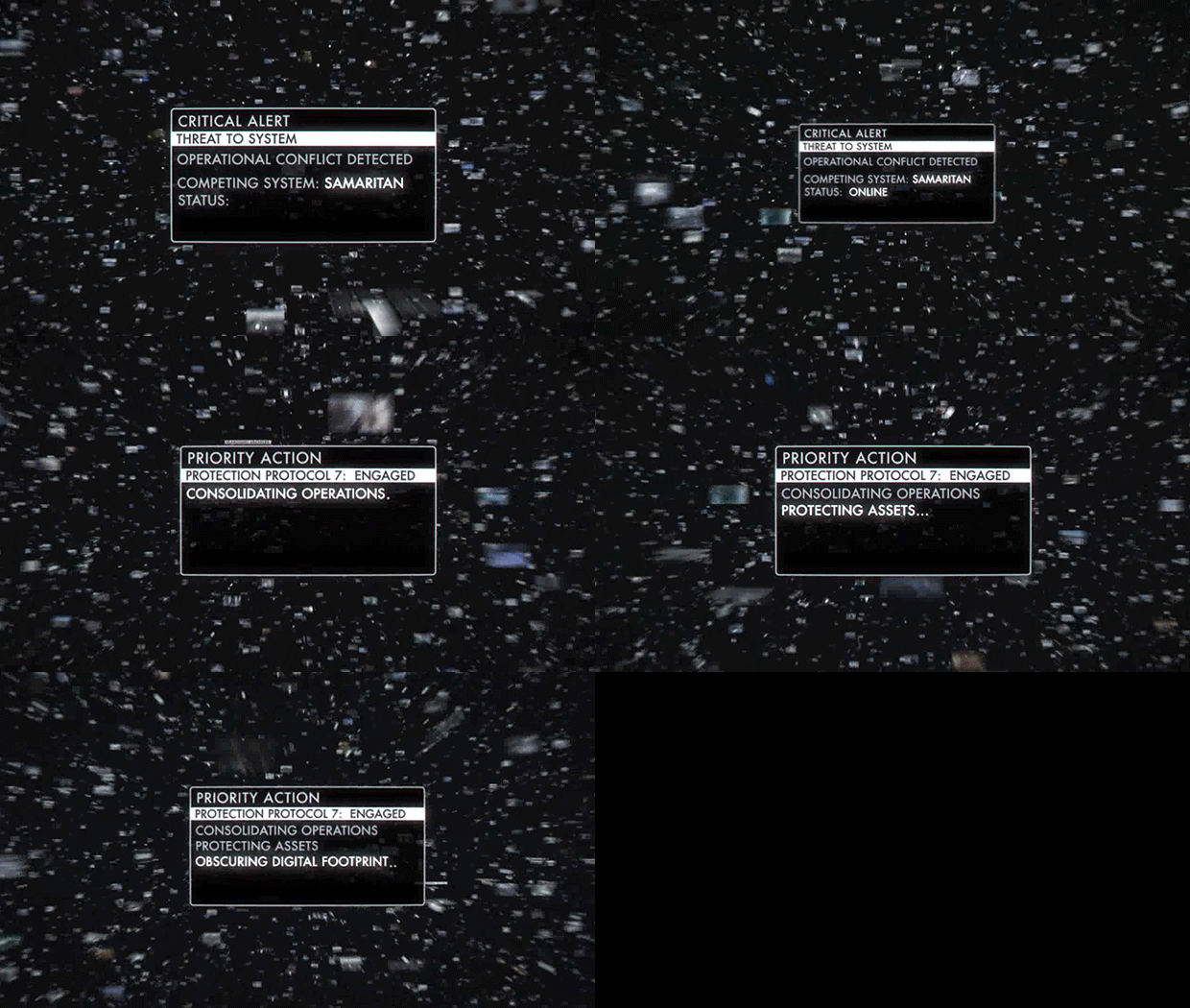
So… let’s talk machines.
(I feel hundreds of fingers poised over keyboards, ready to lunge at the comments section…)
The most common computer tool we’re going to encounter is a spellchecker. Pretty much every word processor has one. Lots of websites do, too. Blog sites like this one, Twitter, Facebook—they’ve all got some basic spellcheck capacity.
That’s the important bit. Basic. The absolute best spellcheckers are, if I had to put a number to it, correct maybe 97-98% of the time. Don’t quote figures at me—I’m saying right up front that’s just based off my own experience. These are the spellcheckers we usually find in the word processors. The online ones… I’d drop it down into the 88-90% range. Maybe even a tiny bit lower.
What does this mean? Well, there are words that have accepted alternate spellings, but a spellchecker will say they’re wrong. There are also lots of common words—especially for genre writers—that won’t be included. I was surprised to discover cyborg wasn’t included in my spellchecker’s vocabulary. Or Cthulhu. Okay, not quite as surprised on that one, but still…
Keep in mind, spelling is a basic, quantfiable aspect of writing. We can say, no question, whether or not I’ve spelled quantifiable correctly in that last sentence (I didn’t). That’s a hard fact (and, credit where credit is due, the spellchecker kept insisting we needed to change it).
Also—a spellchecker doesn’t know what word I meant to use. It can only tell me about the word on the page. Or the closest correctly-spelled word to that word on the page. Maybe it’s the one I wanted, maybe not. At this point it’s up to me to know if that’s the right word or not. And if I don’t know… well, things aren’t looking good for my manuscript.
Consider all the things I just said. The gaps. The problems. The rate of accuracy. And this is with the easiest aspect of writing. Spelling is a yes or no thing. It’s right or it isn’t. This is something a computer should excel at… and the online ones are getting a B+ at best.
How accurate do you think an online grammar program is?
Grammar’s a lot more complex than spelling. Spelling’s just a basic yes or no, but grammar has a ton of conditionals. Plus, in fiction, we bend and break the rules of grammar a lot. I tend to use a lot of sentence fragments because I like the punch they give. A friend of mine uses long, complex sentences that can border on being run-ons. I know a few people who remove or add commas to help the dramatic flow of a sentence.
And hell… dialogue? Dialogue’s a mess when it comes to grammar. A big, organic mess. Fragments, mismatched tenses, mismatched numbers, so many dangly bits… And it needs to be. That’s how we talk. Like I’ve mentioned in the past, dialogue that uses perfect grammar sounds flat and unnatural.
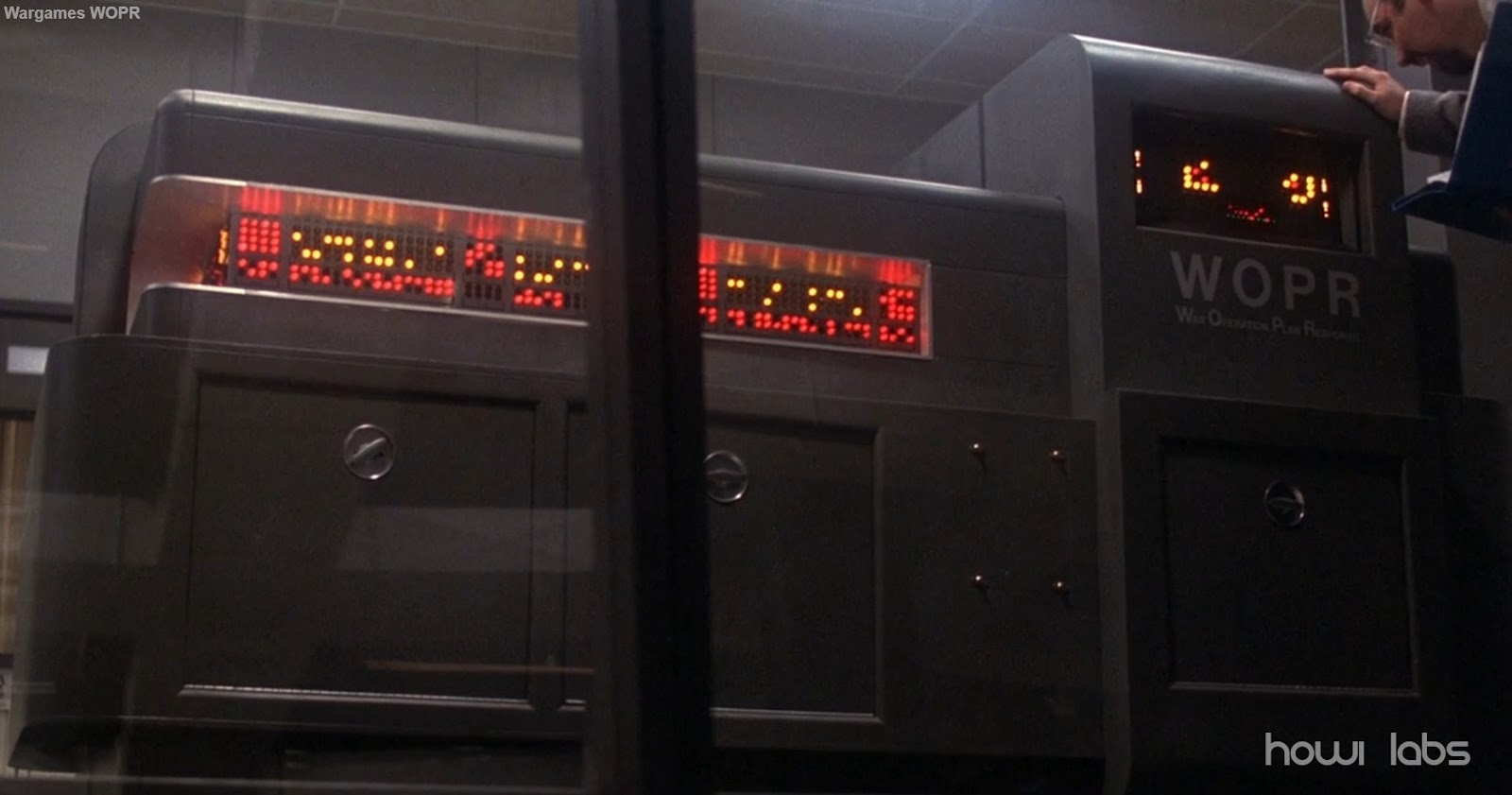 Think about this. I’ve talked before about Watson, the massive supercomputer that was specifically designed by MIT to understand human speech… and still had a pretty iffy success rate. Around 72% if my math is right. And it might not be–I’m not a mathematician, after all.
D’you think the people who made that grammar website put in the time and work that was put into Watson?
So, again… how accurate is that online grammar program going to be?
More to the point, how useful is it going to be as a tool? Would you pay for a DVR that only records 3/4 of the shows you tell it to? Do you want a phone that drops one out of every four calls?
Now, I’d never say there’s no use for these tools or sites. But it’s very important to understand they’re not going to do the job for me. They’re the idiot writing partner who’d really good at one thing, so I kinda need to keep both eyes on them when they’re set loose to do… well, that thing. I need to know how to spell words and what they mean. I still need to know the rules of grammar—even moreso if I plan on breaking them.
See, that’s the long-term problem. Assuming this professional writing thing is my long-term goal, at some point I need to learn spelling and grammar. If I’m going to keep depending on someone (or something) else to do the work for me… when am I going to learn how to do the work?
Y’see, Timmy, these programs and apps are kinda like alcohol. They won’t make up for a lack of knowledge. They’ll just emphasize it. I definitely don’t want to be dependent on them. At best, if I know what I’m doing and I’m careful (and use them in moderation), they might make things a little more smooth and painless.
Next, a quick screenwriting tip.
Until then, go write.
You go write. Not your computer.
Go on… go write.
February 1, 2018 / 1 Comment
Origin Stories
So, I wanted to talk about why things get started for a bit.
Motives are my character’s core reason for doing something. They’re the answer to the question “why is this story happening?” I’ve mentioned once or thrice before the issues that crop up when my character isn’t so much motivated as dragged along into a story.
It’s not unusual to have motives shift a bit in a book, but in shorter formats (screenplays or short stories) they tend to be pretty focused. Sometimes I’m hiding a character’s motives from my audience, but they still need to be there. As the writer, I need to know why someone’s doing something. Because my motives are going to a key when it comes to what kind of story I’m telling.
No, seriously.
For example, it’s tough to do a revenge thriller when my heroine’s goals are world peace. Try to figure out a way that could work. It’s tough to solve a mystery when my protagonist’s big goal is to go the prom with the quarterback. Likewise, if the only reason I’m fighting the dark Uberlord who’s enslaved New York is to save my niece… that’s not exactly heroic. When I’m fighting for me—my family, my purposes, my revenge—that’s just personal.
Which brings me, in a roundabout way, to superheroes.
I’ve blathered on about superheroes a few times, and one of the major stumbling points I see a lot is when someone with a non-heroic motivation is crammed into the superhero genre. It creates a stumbling block. One phrase you may have heard before is “doing the right thing for the wrong reasons,” and I think this is what confuses people. The end result is the same, even though we took two very different paths to get there… so the two paths must be the same, right?
Hey, look—here’s an example.
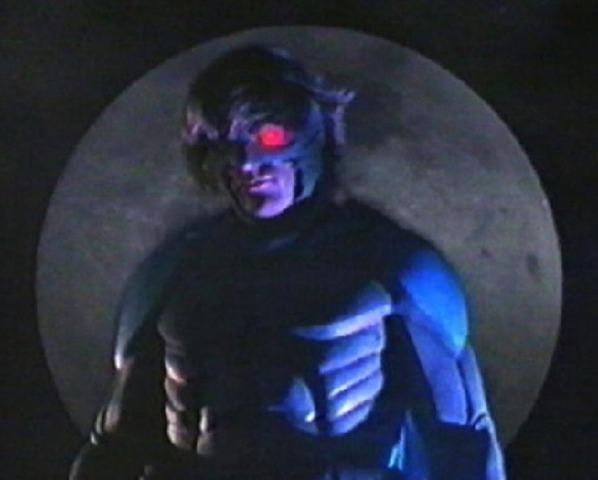 Years ago I worked on a pretty awful superhero show. This was before anyone believed you could do costumes without camp, and it hit a lot of stumbles. The biggest ongoing one was the main character’s motive for putting on this super-powered suit and fighting crime.
 Well, actually, that was part of it right there. He didn’t fight crime. Most of the time he just settled scores. He, his friends, or his family would get drawn into some struggle and he’d put on the suit to get them out. And… that was kind of it. Once or thrice someone would show up specifically to challenge him and he went out to fight them. Hell, one time the suit’s creator had to actually talk him out of using the suit to get even with someone who’d shoved him in a club.
No, dead serious on that. One episode started with the hero being kind of arrogant, getting pushed aside, and then deciding to use a state-of-the-art weapons system to show that other guy who’s boss…
Like I said, it was a pretty awful show.
But you should be able to see the problem here. No matter how often they tried to insist this guy was a hero, even with the times he stopped an actual super-villain or monster, his motives were always personal. Bordering on selfish, really. He wasn’t heroic because his motives weren’t heroic. He cared about himself, his circle of friends… and that was pretty much it. No dealing with muggers, corner drug dealers, any of that.
 To be clear, there’s nothing wrong with personal goals, but I need to be clear how this paints my character in the bigger scheme of things. Yeah, going up against a street gang is great, but if the only reason I’m doing it is to protect my friends and family… this isn’t about heroism. It’s just personal. When Bryan Mills (Taken) goes up against European gangs and white slavers and crushes a lot of their organization, he’s not doing it to make the world a better place. He’s also not trying to help the hundreds of other families these people have hurt. He’s just doing it to get his daughter back. That’s it. So if I’m doing this and trying to make him look like some great heroic figure for doing it… my story’s probably going to stumble.
 Another important point. With a lot of these personal motives, they have to end. Killing the gang member who killed my sister—that’s vengeance. We get it. Killing some random guy from another gang because he dresses kinda like the guy who killed my sister… well, that sounds a bit wrong, doesn’t it? If Mills just kept killing various European gangsters long after his daughter was safe at home… well, this is leaning into serial killer territory now.
Heck, even trying to recreate those personal circumstances seems weird. The Taken movies got progressively more convoluted as they kept coming up with reasons for Mills to use his particular set of skills. The old Deathwish films just devolved into unintentional comedy, they were so ridiculous. Stretching out this kind of personal motive either becomes laughable or disturbing. Or both.
 Y’see Timmy, it’s really hard to have someone be a hero, in that larger sense, if they’re doing things for personal reasons. They can be the hero of my story, sure, but not a hero in the “heroism” sense. One of the reasons Wonder Woman was such a standout superhero movie is because from the beginning of the story she was 100% doing this for a greater cause. She was going to head out into the world so she could find (and kill) Ares, thus ending WWI and saving millions of lives. Her mother didn’t want her to go. Steve didn’t want her to go. Honestly, it’s not even like she wants to leave her home behind. But she sees it as her responsibility to do this, to go out and save total strangers from this faceless threat.
 That’s pretty much what being a hero is.
Next time, it’s contest season, so I wanted to toss out a quick screenwriting tip.
Until then, go write.