
January 10, 2015

The Friends and Family Plan

Running a little late. Sorry.

Hey, last week there were two posts in a row. You’ll survive. Really.

Anyway, let’s talk about the system you’re using.

I think one of the harder things to find is an honest opinion. Odd to say, I know, with all the folks who like to shout about the truth on the internet, but I think there’s a certain level of honesty that’s difficult to get from people. Most of us don’t like saying “No.”  Everyone worries about offending someone and the possible ramifications it could have, especially these days when so many comments are taken out of context and so many folks are ready and waiting to be offended by… well, anything.

My time in Hollywood taught me that a lot of folks have almost brainwashed themselves against saying “no” or offering any kind of negative feedback. My differing opinion can get me fired, after all, so I keep it to myself. The person asking “Do you like this?” could end up deciding whether or not I get health insurance and a new office next year, even if they’re just the office PA right now. They don’t always say yes, but pretty much nobody says no. No is all but forbidden.

Unless you’re one of the lucky few who has a partner, writing is something we have to do alone. The odd conundrum here is that one of the very few ways we can improve as writers is to get feedback. People need to read our work and express their thoughts and opinions about it. I need to have an audience. A real audience.

What counts as a real audience? Well, it’s people who will give me an honest opinion. People who are willing to say no. A solid beta reader, as they’re often called, won’t mince words or spare my feelings, because they understand I need to know what’s wrong with my work so I can improve it. Kindness and white lies don’t help me at all.  They only undermine my attempts to get better.

A little story…
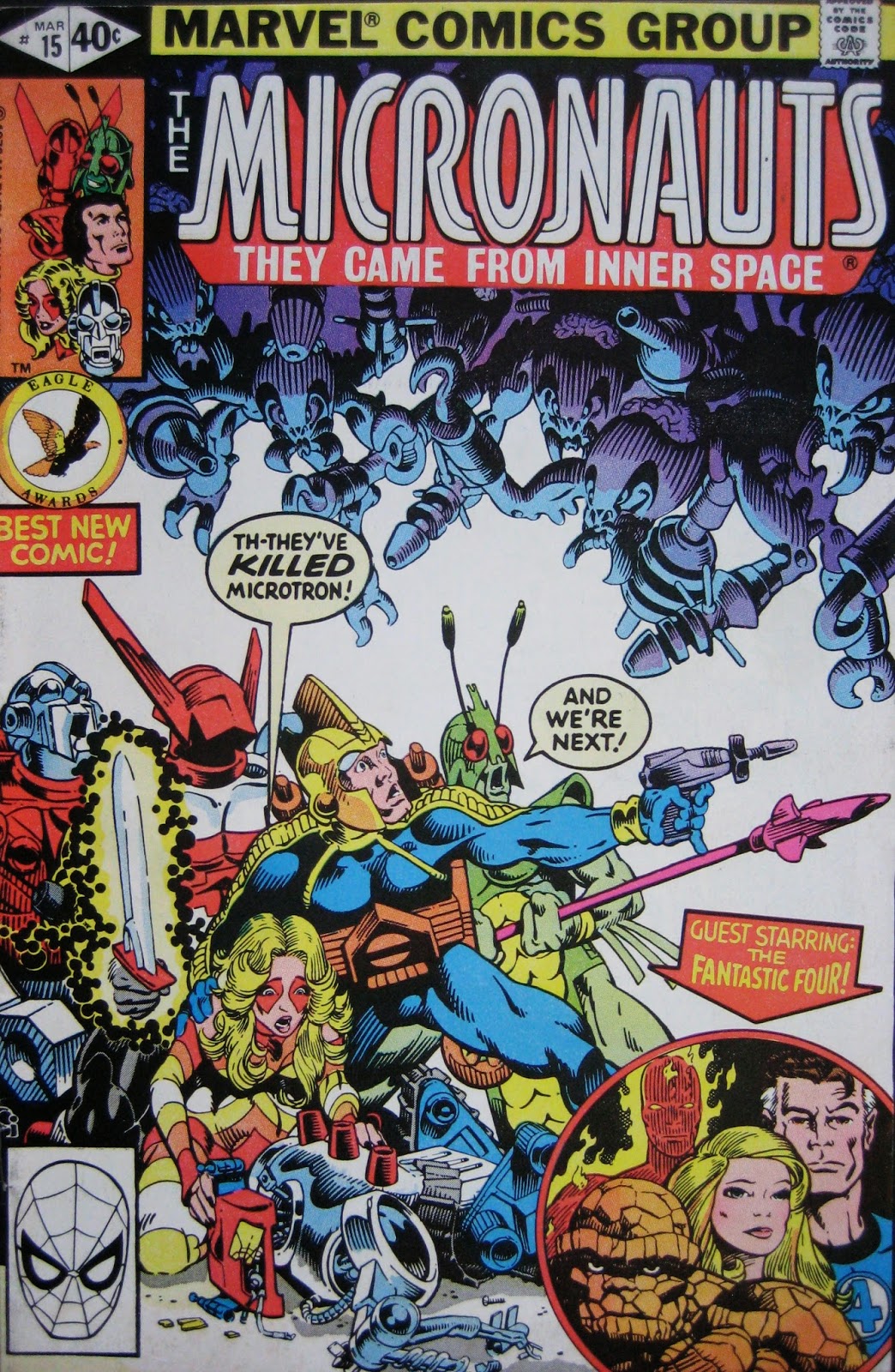
When I was a kid, my mom read pretty much every piece of half-finished crap I wrote. And believe me, I wrote a lot of it. She slogged through at least three versions of Lizard Men from the Center of the Earth between third and seventh grade. There were also a few good-sized pieces of Boba Fett and Doctor Who fanfic (long before there was such a term). Plus a bunch of short stories and a truly awful sci-fi “novel” called A Piece of Eternity that had cosmic rays and mutants and cute little robots and bug-aliens that were shamelessly ripped off from the old Marvel Micronauts comics.

Now, there’s no question in my mind that I wouldn’t be where I am today if my mom hadn’t kept reading this stuff and encouraging me to write more. None at all.

However…

I eventually realized something. My mom was pretty much always going to say she liked what I was writing because she’s my mom and that’s what good mothers do. It didn’t matter if the material was good, bad, or borderline nonsensical, my mom would congratulate me on it.

Which is when I realized I needed to start getting other opinions.

Now, granted, this is an extreme example. I’m not saying my mother should’ve told the eleven-year-old me that my writing was childish and predictable and I didn’t have a chance of ever getting published. That would’ve just been cruel, and also a bit unfair. In one way, this blind kindness was a good thing.

However, this kindness can also be a trap. And many people, willingly or not, fall into it.

Dot, for example, surrounds herself with people who won’t give her honest opinions. She’ll only show her writing to immediate family members, or friends who are so close they’ve got all the same interests and background. Parents, siblings, friends, lovers—people with a strong desire not to hurt her feelings, and, on some level, a vested interest in keeping her happy.

Is it really that surprising to learn these people all say Dot’s writing is great. Her mom and dad think it’s wonderful.  Her friends got all the jokes. Her brother Yakko loves it. Her boyfriend (or maybe girlfriend—Dot’s very open-minded) thinks she should send it out to some magazines or agents.

Are they all lying to her? Possibly not. There’s always that chance Dot is the next Harper Lee or Ernest Hemingway, unable to produce anything except Pulitzer-level material when left alone with a word processor. Maybe she really is a writing savant, able to put down words on the first try that are going to make the Nobel Committee weep tears of joy.

But, as they say in Vegas, I wouldn’t put money on it.

Worse yet, sometimes these well-meaning folks will tell Dot to ignore the good criticism she is getting. Did Phoebe’s feedback sting a bit? Did it make Dot question her abilities a little? Well, just ignore it. What does she know, anyway?  She’s just one person, and she’s probably jealous of Dot’s talent. That’s why she’s tearing the story apart like that.
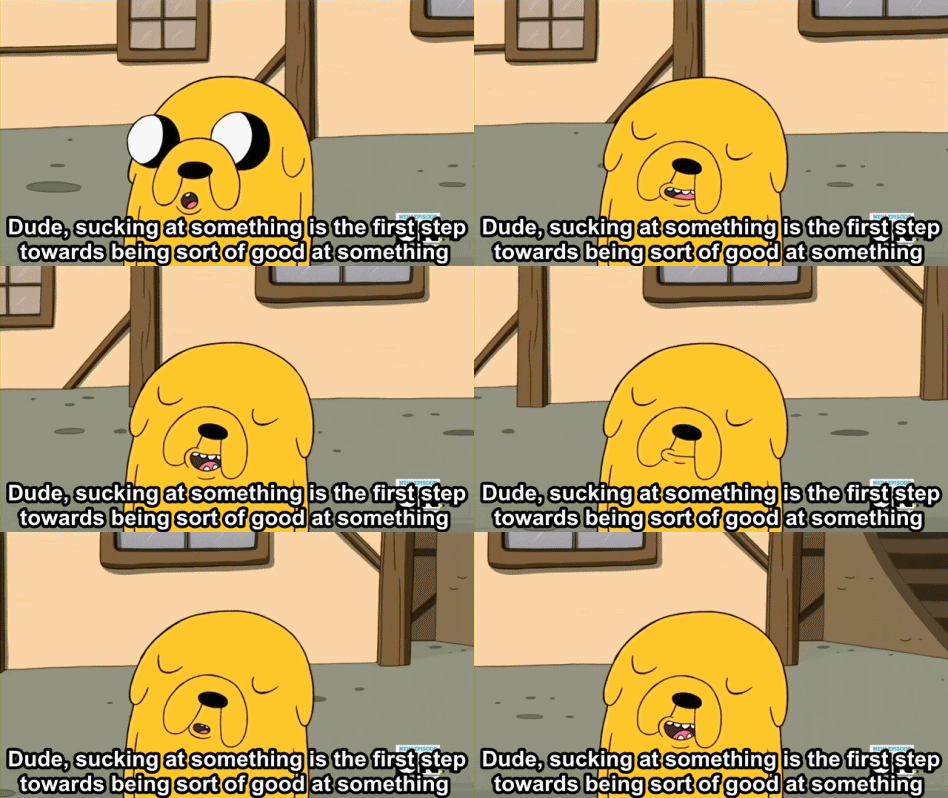
We all start out rough. Our first works suck. Usually our second works, too.  But we can’t get past that until we admit it and really consider some of the feedback we’re getting… and the people we’re getting it from.

Finding a real, honest audience for your work can take years. Some folks mean well, but are coming from a place of no education and/or no experience. A few of those folks are coming with no education or experience and they’ll ask you for money. And some of them… well, let’s be honest.  Some people are just jerks. They like to look down their noses and criticize people—sometimes for no real reason, sometimes so they can feel superior. They’ll give an opinion and expect you to treat it as fact.

Over the years since Mom read all my stories, out of the hundreds of people I’ve met in the film and publishing industry, I’ve found maybe a double handful of people whose opinions I really trust. They have the education, they have the experience, and at the end of the day they want to see my writing improve almost as much as I do. Several of them are merciless and blunt to a point that could make small children cry, and I consider myself lucky for that.

And, for the record, Mom still likes a lot of my stuff, too. But she only sees the final version.

Speaking of my mom, next time I’d like to tell you my story. It’s the most interesting thing ever. Really.

Until then, go write.

January 2, 2015 / 2 Comments

Syllabus

             I decided I was pretty much recovered from last night’s festivities and it was time to get back to work.  So I pulled open my current draft, glanced at the time (and date, just to make sure I hadn’t reallyoverslept), and realized it was Thursday.  The day I’m supposed to post new things.  And I know I just posted the end of the year wrap-up yesterday, and I’d said I probably wasn’t going to post anything today.
            But then, in the immortal words of Doctor Emmet Brown, I figured… what the hell.
            (see, clever and relevant pop culture reference…)
            Anyway, I’d like to continue my tradition of starting the year by explaining the ideas behind this page and what I’m trying to accomplish here.
            A better way to look at it, though, is what are you hoping to accomplish?
            This is the time when we all make a lot of promises to ourselves.  Resolutions, if you will.  We’re going to eat better, drink less, exercise more, quit smoking, visit Europe, and maybe finally get some work done on that manuscript.  Get it finished!
            Now, we all know the truth behind a lot of these resolutions.  Most people don’t follow through on them.  In fact, gyms make a ton of money off people who sign up for a one year membership in January and then stop showing up in… February.
            And we don’t think less of most of these folks when they don’t follow through.  If Wakko says he wants to lose ten pounds this year and then finds out he’s getting a promotion and he’s going to be a dad, well, his priorities are going to shift a bit.  We all get that and understand it.  Likewise, going to Europe is something Dot always wanted to do, but there’s nothing terribly urgent about it. If it doesn’t happen this year, maybe next year.
            The real question, in my mind, is why does someone want to do these things?
            Let’s say Yakko also wants to visit Europe, but he’s doing it as part of a career move.  Being able to talk knowledgeably about Edinburgh, Paris, and Berlin can make or break his promotion chances, and he wants that promotion. This may just be a vacation for Dot, but for Yakko it’s going to affect the next twenty years of his life. They’re going to approach it in very different ways.
            They should, anyway.
            I’ve already seen a ton of folks making writing resolutions.  To finish a screenplay or a book.  Maybe two books.  There were even a few daring people who wanted to get three books finished this year.
            But why?  Do I just want to write a screenplay because I’ve always wanted to try it?  Or am I hoping this could lead to a career in the film industry?  Am I writing this novel just for myself, or am I maybe looking to…well, make some money off of it?  And if so, am I looking at this as a nice hobby that will pay for some LEGO models, or is this something I’m hoping will be a full career?  Like a paying-all-the-bills career?
            I started this page many years back because I couldn’t find any good, practical writing advice anywhere online.  It was all either after-the-fact stuff about what to do with a completed manuscript or kind of vague, not-all-that-useful stuff like “read a book of poetry for inspiration, or try watercolor paints.”
            A good chunk of the advice I could find that actually pertained to the act of writing was kind of… questionable.  Always follow this structure.  Always write at least 1000 words a  day.  Don’t worry about spelling or editing.  Never use common words.  Never use said.  Name every character.  It all just seemed to be either something people were pulling out of the air or repeating after it had gone through a twenty-iterations version of the telephone game.
            And, as I mentioned, a lot of my own experience found this to be questionable.
            So that’s what I’m trying to do here—to fill a gap for people who’d like to improve their writing and move it toward something they could actually sell to a much larger audience and maybe not just… well, a hundred people they know on Facebook.
            That being said, there’ll be some harsh facts now and then. Also some very firm rules.  Some folks will argue with these (some folks always do) because some of those harsh facts and ugly truths are going to go against a lot of the “special snowflake” ideas they’ve based their writing around.  Others will be upset because some of the things I say might indicate they’re not quite as far along their career path as they thought.  Or maybe they’re not on it at all. 
            I apologize in advance if this ends up being you.  It’s nothing personal—it’s just the facts as I see them after about thirty-five years of trying to do this professionally. If it makes you feel better, there are very, very few screw-ups someone can make that I didn’t beat you to ages ago.
            I’ll also offer up some much gentler tips and advice (some of which you may have heard before as facts or rules…).  Some of these suggestions will work for you.  Some won’t.  Part of my job as a professional writer is to figure out what does and doesn’t work for me and to sort my tool chest accordingly.  If you want to be a professional, that’s part of your job, too.
            And, again, if writing’s just something you like to dabble with on weeknights because you enjoy it… cool.  Maybe you’ll find some stuff here that makes it more fun for you.  Or maybe you’ll just show up to laugh at those of us in the publishing rat race.  That’s cool, too.
            So…that’s the basic idea behind this page.
            Next time, on a semi-related note, I’d like to talk to you about your choice of friends.
            Until then, go write.
January 1, 2015 / 6 Comments

The Just-Under-The-Wire Post

             So, end of the year (by mere minutes, in some places).  We all know what that means.  Time to cash out the register, put the chairs up, and turn the lights out for the last time. 
            Well, the last time in 2014, anyway.
            It’s also a good time to look back at what we accomplished in the past year.  It’s fine to read a lot of books and online help and tips (like those offered here), but at the end of the day… we need to write. It all comes down to that.  If I’m not writing… well, I’m not much of a writer.
            So…. what did I write this year?
            Most of this year was devoted to The Fold, my upcoming sci-fi/ mystery/ horror novel.  It was a rough project, to say the least.  I put it through about six drafts myself because I didn’t really know what the story was for a while (I knew the plot, yeah, but the story really floundered there for a while). And then my editor pointed out a bunch of stuff and it went through two more drafts past that.  Getting that one book into good shape was about eight months of the year.  Look for it on June 2nd of this year.  It’s my first hardcover and I’m… well, mildly terrified.
            I was incredibly flattered to be invited to an X-Files anthology.  It was one of my favorite shows in the ‘90s and I have tons of memories associated with it.  I believe you’ll get to read “The Beast of Little Hill” in March, along with other stories by some much better-known  authors.
            I also polished up “Bedtime Story,” a little piece for the re-release of an anthology called Corrupts Absolutely.  It’s about superheroes gone bad.  I had to pass on the anthology the first time around because of other commitments, but with the re-release the editor wanted some new stories and asked if I was still interested.  I think you’ll see that in a few months, too.
            And since October or so I’ve been working on Ex-Isle, the fifth book in the Ex-Heroes series.  It’s a bit of an experiment, on a few levels, because I’m approaching it in a way that’s all new to me.  You’ll probably get a post at some point next year talking about it a bit (and whether or not it worked for me)
            Scattered through the year I did half a dozen written interviews with different sources that talked about writing, including a great one that just appeared in Albedo One.  I did a dozen posts over on my geeky hobby blog (a pathetically low number). And there was a guest post on my gaming club’s page about Chaos and storytelling and expectations.
            Then, of course, there were forty-one ranty posts here.  Better than last year, but still not as good as I’ve done at some points in the past.
            All in all, that’s not too bad.  But I’ll be honest—I’m hoping to do a lot more in 2015.  I already have a bunch of projects lined up, plus one or two things I’m hoping to squeeze in during my free time. There were some headaches that stressed me out and slowed me down this year, and without them gnawing at me for a large chunk of the year I think I can be much more productive.
            How about you?  What did you get done this year?  Everything you wanted?  Most of what you wanted? 
            If not, what was slowing you down?  Don’t make excuses—be honest with yourself.  As I’ve said before, it’s impossible to make progress if I can’t look honestly at mywriting.  So why didn’t these things get done?
            Let’s all think about that as we make our New Year’s resolutions.
            That being said, Happy New Year to you all.  Be responsible, don’t drink and drive, and kiss someone you love when the clock strikes twelve.  I’ll see you all again in 2015.
            And after you wake up tomorrow…
            Write.
December 18, 2014

Bulletproof

A simple, straightforward title for this week.

I was talking with my dentist a few weeks back about new television shows (he’s very chill that way) and we brought up… well, I’ll be polite and not mention it by name.  He was interested to see where this show went.  I’d already predicted a bunch of issues it would need to overcome which it instead chose to embrace fully.

Allow me to explain.

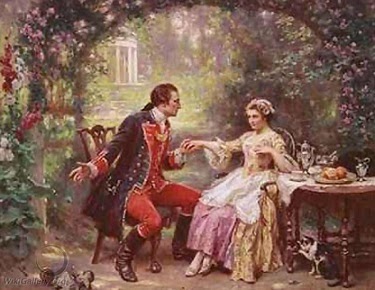
I’m going to create a series from scratch here (although I’m sure some of you will figure out what I’m referring to pretty quick).  Let’s say I’m doing a show called Young Revolutionaries.  It’s going to be an early-twenties George Washington at university (probably Penn State—that was around then, right?) with early-twenties John Adams and early-twenties Thomas Jefferson and mid-twenties Ben Franklin.  There’s also mid-twenties Martha Dandridge who George has an undeclared love for, her sexy designer friend Betsy, and that creepy mid-twenties kid, Benedict, who just lurks around classrooms a lot eavesdropping on people.

photo: Kat Bardot

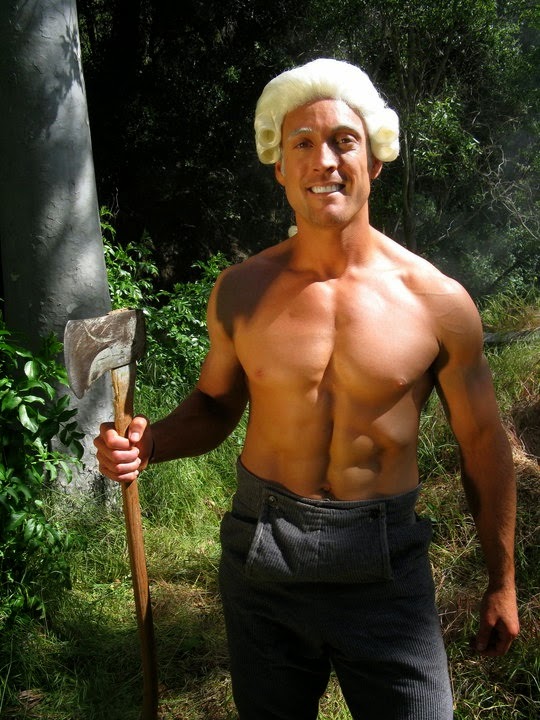
Here’s a few quick episode ideas.  What if George gets in trouble during ROTC (that was around then, right?) for chopping down that cherry tree and is told he’ll never be an officer?  Maybe he even resigns from the Army.  Or maybe Thomas injures his hand in a duel over the honor of foreign exchange student Sally Hemings (that’s more or less correct, right?) and now he may never write anything again.  And Ben can have a small breakdown from exam stress and decide he’s giving up on his science/history/philosophy degree and going to be a baker.  Or what if Martha decides she’s in love with Benedict and decides to marry him.  And when John finds out and tries to stop them from eloping, Benedict shoots him. We could end season one with young John Adams bleeding out in his log cabin.

(Also, I apologize in advance—by putting this out onto the internet there’s a good chance this show just went into development at Fox or the CW.  Hopefully I’ll at least gets a “created by” credit when it premieres next fall).

So… what do you think of Young Revolutionaries so far?  Sound like a bunch of solid episodes, yes?  Lots of dramatic potential?

Even if you’re reading this from somewhere in Europe, you’ve probably already spotted a few holes in my story plans.

It’s tough to build drama when we already know a lot of details about where the story’s going.  I can’t get anxious about whether or not George and Martha get together when I already know they get together.  There’s a bit of mild interest how it’s going to happen, sure, but the truth is, because I’m replaying history, this isn’t the first time this has happened.  And things lose our interest when they get repeated.  That’s just the way of the world.  The movie I’m glued to the first time I see it eventually becomes the movie I’ve got on in the background while I’m working on little toy soldiers or something.

Likewise, it’s hard to build up drama by using incidents that I know are nullified by later events.  George Washington doesn’t just become an officer, he becomes a full general, and me trying to imply this isn’t going to happen is kind of silly.  We know Jefferson’s going to write a ton of stuff.  John Adams isn’t going to die, either.  Heck, he won’t even have any lasting scars or side-effects from that gunshot.  The bullet could’ve just bounced off him for all the effect it actually had on things.

And bulletproof characters are boring.

So let’s think about Young Revolutionaries again.  George Washington won’t catch a bullet.  Ben Franklin definitely won’t.  Neither will Martha.  Or Thomas.  Or Betsy.  Even Sally’s pretty safe.

What can I really do with this series?  Not much.  It’s pretty much just narrative thumb-twiddling as my plot drags along to the points we all know it’s going to hit. That it has to hit, really, because we all know the story.

Y’see, Timmy, if my characters can’t be put at risk, it’s tough to give them any sort of interesting challenge.  I can’t have many cool twists to their story if I already know how the story goes and how it ultimately ends.  And it’s tough for my readers to relate to a character who’s going against…well, established character.   There’s just not much for me to do.  It’s very similar to an issue I’ve mentioned a few times before—the characters who are prepared for any and everything.

This is one of the big reasons I’m against prequels.  Not as some hard-fast rule, but I think it’s extremely rare that they’re worth the effort (either reading them or writing them).  It just tends to be a melodramatic re-hashing of events that ultimately lead… well, right were we knew they were leading all along.

Now, I’d mentioned this “bulletproof” idea to a friend and he made the point that, well, isn’t this true of almost any series character?  Marvel isn’t going to kill off Iron Man any time soon, and DC probably doesn’t have a Batman obituary waiting in a drawer. Odds are pretty good Jack Reacher’s not taking a bullet in the head anytime soon.  I feel safe saying Kate Beckett won’t be losing an arm in this season’s Castle finale.

We all understand these characters have an aura of safety around them, so to speak.  So does this mean alleries characters are bulletproof? Are all these stories destined to be rote melodrama?

Well, no.  Let’s look at something like, say, The Sixth Gun (one of my personal favorites right now).  Odds are writer Cullen Bunn isn’t going to kill off Drake Sinclair or Becky Montcrief anytime soon.  But it doesn’t mean he won’t and can’t.  None of us know what’s happening in issue fifty.  Or sixty.  Or one hundred.  Even if we can be relatively safe in assuming they’re relatively safe… well, there’s still a chance Bunn could pull a Joss Whedon or J.K. Rowling on us and suddenly kill one of his main characters.  We can feel pretty safe… but we don’t really know for sure.

And there is a world of possibility in that little gap of certainty

But if Bunn decides to flash back to what Sinclair was doing five years ago… well, we all know he didn’t die in a gunfight after a poker game.  So hinting that he might is kind of a waste of time.  Same thing if he says he’s moving to Asia and never coming back.  It’s just more thumb-twiddling until we get back to the real story.

Again, I’m not saying this kind of prequel storytelling can’t work.  But it is very, very difficult to do it well.  A lot tougher than many Hollywood executives seem to think.  And it’s choosing to do an inherently limited idea when I could be doing one where anything could happen.  One that’s moving forward, not treading water.

Next time…

Well it had to happen.  Next Thursday is Christmas.  And the Thursday after that is New Year’s.  Some folks believe this only happens every 2342 years, and other folks have looked at a calendar before.

Whichever camp you happen to fall in (I don’t judge…much), I probably won’t be posting on either day.  But I’ll probably drop my usual year-end summary here sometime before January.

Until then, go write.

Categories