
February 13, 2026 / 1 Comment

Just Between Us

This is one of those things I’ve meant to revisit for a little while now. So, hey, let’s talk about the Children of Tama.
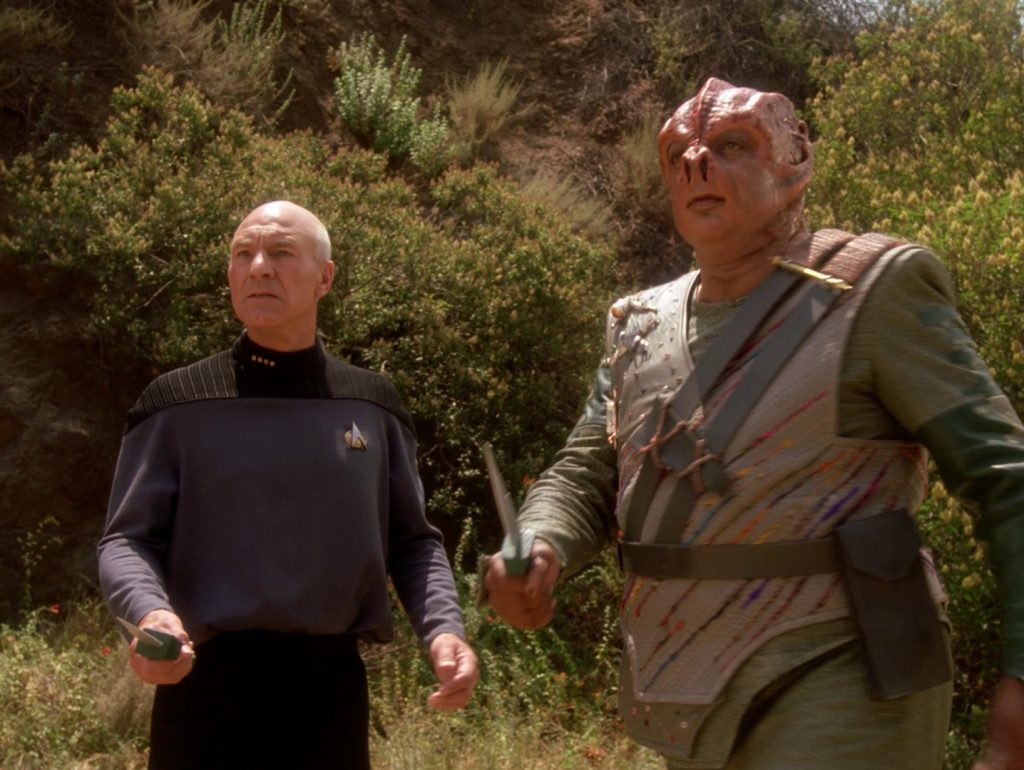
“Darmok” was one of the most popular episodes of Star Trek:The Next Generation, but on the off chance you don’t know it (it’s been *cough* thirty years, after all)–the Enterprise crew is attempting to open relations with an alien race called the Children of Tama. All previous attempts have come to a grinding halt because the universal translator can’t make sense of their language. It can be rendered in Federation English, yeah, but the words and sentence structure are just… gibberish. Determined to solve the problem, Dathon–the Tama commander—kidnaps Captain Picard, dropping the two of them on a hostile planet where they have to learn how to communicate and work together in order to survive. Through the course of this, Picard comes to realize Dathon’s language isn’t based on individual ideas and concepts, but on stories and metaphors. The Children of Tama wouldn’t say “I’m so relieved and happy to see you,” they’d say something along the lines of “Carol, when Zosia returns to Albuquerque.” It’s been impossible to properly translate the Tama language because the Federation doesn’t share their history and folklore.

In a way, all of us do this every day. We reference movies, TV shows, books, pop culture events, and then we stack and combine them. And we know people will understand us because they get the reference. It’s why we understand memes and reaction gifs and emojis.

Heck, want to know what an ingrained aspect of our language this is? When Bluesky first opened up, it didn’t have the functionality for gifs yet. So for almost a year, people responded to posts by just writing out things like “DiCaprioToast.gif” or “CasablancaShocked.gif.” And then the next step was (no joke) screenshots of Dathon from the “Darmok” episode describing various gifs. No seriously, that was a thing for a while.

Now, we also do this on a smaller scale. All of us have jokes and references that are only understood by certain circles. Coworkers. People who share a common interest. I may not get that programming joke, you might not understand School Spirits references, and neither of us are going to get those hardcore biathalon jokes. Pretty much every job has its own “inner language” and shorthand.

And sometimes those circles get even more intimate. Friends. Family. Even individuals. My gaming group has a bunch of things we all say that nobody else would comprehend. I’m in an ongoing group chat with a bunch of writers and we’ve got a few inside references none of you would get. And heck… my beloved and I have little things we say and do that nobody besides us would really understand (it’s how we’ll identify each other when the pod people/ body swappers take over). But to an outsider they could sound rude or confusing or like, well… gibberish.

Now, I’m willing to bet you all understand what I’m talking about here. The real question is, why am I bringing it up on the ranty writing blog?

A not-uncommon problem I see from some folks is they write dialogue loaded with references and figures of speech from their own personal experience. It might make sense within the writer’s personal circles, but outside readers just end up scratching their heads. And when this gets pointed out, the writers responsible for this issue will try to justify their words in a number of ways…

One is that their friends talk this way, and their friends are real people. Therefore, people really talk this way, and there’s nothing wrong with it. The thing is, as I’ve brought up here once or thrice before, “real” doesn’t always translate to “good.”

Two is they’ll argue this joke or reference is common knowledge. They’ll say the material is generally known– universally known, even– so the problem isn’t them, it’s the uneducated, unaware reader. This one’s tough, because it can be hard to agree on what “everybody knows” or even what’s generally known. If somebody honestly believes that everybody knows who won Best Original Screenplay in 1938, there’s not much you or I can do to convince them otherwise short of assembling a large focus group.

Y’see, Timmy, I can’t just write for my five closest friends. I mean, I can, sure, but not if I want to have some degree of success. I’m not saying my writing has to appeal to everyone and be understood by everyone, but it can’t be loaded with so many in-jokes and obscure references that nobody knows what I’m talking about.
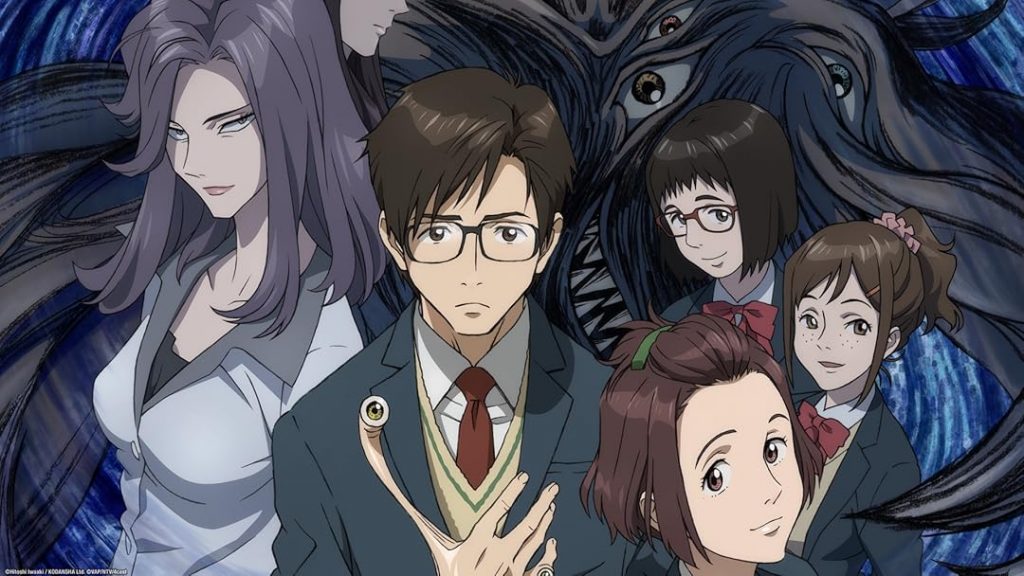
This is one of those inherent writer skills that we all need to be good at. We need to keep learning and being aware of the world. Not just the world as we want to see it, not just the parts that interest us—all of it. Because if a large swath of my story assumes you know the entire Japanese voice cast of Parasyte, Vietnam-era military jargon, or why talking about squirrel voices counts as sexy talk… it probably means I’ve just knocked my readers out of the story.

And knocking people out of my story is never a good thing.

In conclusion, the Children of Tama eventually joined the Federation. Lt. Kayshon was chief of security on the USS Cerritos and everyone could understand him. Most of the time. Commander Ransom, the first officer, even learned some Tama phrases.

Also, nobody won Best Original Screenplay in 1938. The category wasn’t invented until 1940.

You didn’t know that…?

Next time, I’d like to talk about what was really going on when we met.

Until then… go write.

I mentioned revisiting older topics last week and so now, rising out of the past—just when you were sure it was gone for good and there’s no way it was ever coming back…

I’d like to talk about revenge stories.

I think most folks love a good revenge story. Emphasis on most. Emphasis on good. When they’re done right they’re tons of fun, I think because we get a certain vicarious thrill from seeing someone get what they deserve. It could be a career-ending demotion. Maybe it’s getting embarrassed in front of the whole school. Perhaps it’s learning they’ve been left penniless by someone pulling a phenomenal heist.

And, yes, sometimes it’s them getting hunted across the tundra by somebody with a truly impressive collection of swords and pistols.

Now, this is just my opinion as a consumer of stories and occasional dabbler in the craft, but I think a good revenge story is a balancing act. Not too much of that. Just enough of those. A really solid foundation that can support all of it. If one of these things is off, my whole story can, well, become unbalanced. And once I’m off balance, it doesn’t take much for me fall over.

And we’ve all seen those, right? The revenge story that just seems kind of flat? Or maybe a bit… excessive? Possibly even a bit confusing?

So let’s go over four points I think a good revenge tale needs if it’s going to work. Again, just my own observations, and it’s always possible to find some exceptions, but I feel like these are four pretty solid points and I’ve yet to see them proven wrong since I came up with them.

With all that said… shall we embark on our path of vengeance against those who wronged us?

Well, actually, that’s a great lead-in to my first point. Has something happened that calls for revenge? I mean, there’s lots of bad things in the world but do they require me dedicating myself to balancing the scales of justice? A restaurant got my chimichanga order wrong once—does that require revenge? What about the person back in LA who broke into my car (well, jimmied the lock without causing any damage) but ultimately just stole a handful of change from the center tray. Maybe sixty cents, tops. Is that vendetta-worthy? Hunting that guy down doesn’t really seem worth it, right?

Some things absolutely call for revenge, but a lot of stuff just… doesn’t. A revenge story is a bit like a redemption arc this way. I need to have a sense of how my readers are going to see that initial incident. Will they agree it’s something that requires vengeance? Or are they going to think my characters are overreacting?

Which leads nicely to my second point. Is the character heading out to get revenge the one who should be getting revenge? It’s not unusual for one family member to avenge another, or for someone to avenge their dear friend or beloved. But as the relationships grow more tenuous, the motivation for my revenge story gets murkier. I may be a good customer, but I don’t expect the folks at my local sushi place to swear vengeance if something happened to me. I’ve chatted with the mail carrier a few times and she seems nice, but I’m probably not going to be carrying out a blood oath in her name.

Heck, I’m not even sure I know her name. Should I be the guy making that blood oath? I mean, if I should, it seems like a lot of other people should too…

Revenge is a personal thing. In its own way, it’s intimate. Personally, I’d say it needs to be a family thing. And yes, this can take the broader definition where my characters consider their best friends or teammates as family.

My third point is, to me, one of the most important parts of a revenge story. Simply put, the people my character’s getting revenge against must know why this is happening. If the team that killed my character’s family is being hunted down and killed one by one, but they don’t know why this is happening or who’s doing it… I mean, from their point of view how’s that different from a random killing spree? It might as well be Jason Voorhees out there.

I feel that a big part of a good revenge story is that it’s kind of symbiotic. It’s a relationship between the revenger and the revengee, so to speak, and relationships need to go both way (we can all agree one sided relationships are really weird, right?). So yes, we want Dot to get her revenge, but we also want Wakko to know why she’s doing all this. Why she’s coming after him. Why she’s been ruining his life. He needs that moment of understanding, one way or another—even if he just laughs it off (“…You’re the girl! And you’ve been looking for me all these years just to screw up now? Hah!”).

The reason for this is we understand—as readers and writers, consciously or not—that if Yakko doesn’t know why this is happening, he’s just a victim. He’s not an innocent victim, sure, but he’s still just a victim. He’s someone things are happening to for no reason. It’s the difference between someone seeing their house burn down and someone knowing why their house was set on fire.

Which leads nicely to my fourth and final point. Revenge can be a messy business. Very messy. Often reputations are shattered, blood is spilled, property is destroyed. And we’re all cool with that. We like seeing people getting what’s coming to them. Maybe even with a little interest.

And that’s where it gets tricky. In a revenge story, it’s easy to go a little too far with the reputation shattering and the blood spilling and the property damage. And when I do, that’s when my characters stop being the hero and becomes monsters in their own right. Yes, Phoebe embarrassed Yakko in front of his friends and deserves to be taken down a notch, but holy crap now she’s naked in front of the whole school. And they’re all taking photos! That’s going to cause years of emotional trauma. And okay, Wakko’s getting revenge on the drunk driver who killed his daughter by… wait, he’s killing all the guy’s pets and children right in front of him? WTAF?

This shift is something I’ve talked about before. When those scales tip the other way, our mood’s going to shift, too. We stop feeling good about the revenge and we start feeling sympathy for the people getting revenge exacted on them. Suddenly they’re the victim and my hero’s become, well, the villain. Which, understandably, alters everything. The whole tone of my story will change, and a lot of things will be questioned. Not in a good way. Which, I mean, if that’s my intent, cool (digging two graves and all that). But if it’s not…

Y’see Timmy, a revenge story should be all about the characters. That’s how I see it, anyway. Why are they seeking revenge? How are they doing it? Are they managing to walk that fine line between being a hero and being a monster? Or have they fallen off it…?

Speaking of which, next time, I’d like to talk about the consequences of my actions.


Until then… go write.

Okay, we’re in the middle of a big discussion/ lecture/ infodump about story structure. To be more exact, the different types of story structure, because there are a bunch of them and they all serve a different purpose. That’s what I blathered on about last week. Well, that and linear structure. So if you skipped last week, you might want to jump back (look, a handy link) and read that first. Or maybe re-read it as sort of a refresher before we dive into this week’s little rant.

Now I want to talk about narrative structure. As I mentioned last time, these things have a few different names, depending on who’s talking or teaching, so maybe your stuffy literature professor called this syuzhet or something like that. But for now (and because it’s what I’ve done in the past) I’m going to call this narrative structure.

Remember how I said linear structure is how the characters experience the story? The narrative structure is how I, the author, decide to tell the story. It’s the order and style and viewpoint I choose for how things are going to unfold. It’s me saying I want to start with a prologue or ten minutes before the finale and then jump back to the beginning. Or that every third or fourth chapter will be a flashback. Or that I’m going to tell the whole thing from the point of view of the sidekick instead of the superhero. Or maybe, somehow, all of these things in one story. All of these are narrative decisions.

Actually, that’s a good before-we-go-any-further thing. My story might use a point of view or a device (say, a journal or epistolary form) that gives the appearance of “telling” the story. For our purposes here, though, if I talk about the narration I’m talking about me, the writer, and the choices I make. Watsonian vs Doylistic, remember? Because that first-person narrator or journal scribbler doesn’t say or do anything I don’t want them to. No I don’t care what that one other writer says about the characters having a life of their own and telling the writer what they want. I’m in charge. I’m God in the world of the story.

So, now that we’ve got our weekly blasphemy out of the way…

In a good number of stories we encounter, the linear structure and narrative structure are identical. They’re linear stories. Things start with Phoebe on Monday, follows her to Tuesday, and conclude on Wednesday. Simple, straightforward, very common. These books may shift point of view or format, but the narrative pretty much just goes forward hour by hour, day by day. My book, Dead Moon, fits in this category. It’s got a bunch of twists and reveals, but the narrative is pretty much a straight line from the beginning to the end. No flashbacks or frames or anything.

I’m not going to talk about this type of narrative too much because… well, I already did. If my narrative matches my linear structure, any narrative issues I might have are also going to be linear ones. And we talked about those last week (here’s another handy link in case you missed the last one).

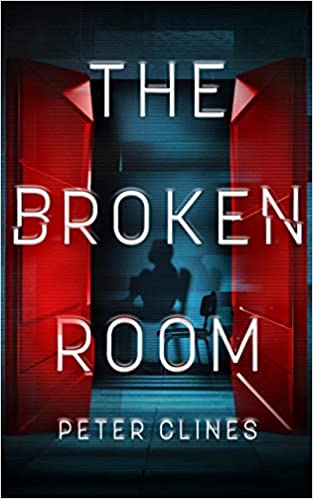
Our focus right now is going to be stories where the narrative doesn’t follow the linear structure of the story. Sometimes the story has flashbacks or a frame, where it’s mostly linear with a few small divergences. Others might split the story between multiple timeframes, with one thread taking place in the present and one in, say, the 1950s. Or maybe the story’s broken up into lots sections and the reader needs to keep track of how they all line up—these are called non-linear stories, or you may have heard it as non-linear storytelling. It was the hip new thing for a while there. My book, The Broken Room, has a large flashback section where Natalie talks about her past, and it’s worth noting that her extended flashback/ retelling is all linear within its own subset of the book (she’s very precise about that sort of thing).

It’s important to understand narrative structure is more than just switching around my story elements. It means I need to start actively thinking about how all these structures interact. So here’s a few things I need to keep in mind when I start playing with my narrative structure.

First off, putting things in a new narrative order doesn’t change the linear structure of my story. As I mentioned above, the week goes Monday through Friday, and this is true even if the first thing I tell you about is what happened on Thursday. Monday was still three days earlier, and the characters and events in my story have to acknowledge that. I can’t start my book with everyone on Thursday baffled who stole the painting, then roll the story back to Monday where everyone was a witnesses who saw the thief’s face.

That’s a kinda stupid, overly-simple example, yeah, but you’d be surprised how often I’ve seen this problem crop up. Sometimes in really simple ways like this. Storytellers want to switch stuff around, but then they ignore the fact that just because they told us about Thursday before Wednesday doesn’t mean Thursday happened first. Again, the story collapses when the narrative elements are put in linear order. This is a really easy problem to avoid, it just requires a little more time and work.

Yeah, weird, I know. Telling a story in a more complex way is more work. Go figure.

The second thing to keep in mind when experimenting with narrative structure is… why? Seriously, why am I breaking up my story instead of telling it in order? I mean, yeah, all that non-linear stuff was edgy and bold for a while, and a lot of folks still do it, but… what’s the point of it in my story? Why am I starting five years ago instead of today? Why do I have this flashback at that point?

As an aside, I know some people hate “why is it happening now” as a story critique, and in a Watsonian way, I kind of get that. Sometimes things happen just because they happen. That’s how life works. I think sometimes things can work this way. I think sometimes they can’t.

But remember, we’re not talking about the Watsonian view of the story, we’re talking about the Doylist one. So why did I, the author, arrange these events in this way in the story? What effects am I trying to create? How is the narrative improved by shaping it this way?

And if I can’t explain how the narrative’s improved by shaping it this way—or if it plainly isn’t improved—again, what’s the point?

The third and final issue with a complex narrative structure is a little more subjective.

Last week I mentioned that we all try to put things in linear order because it’s natural for us. It’s pretty much an automatic function of our brains. This flashback took place before that one. That’s a flash forward. This flashback’s showing us something we saw earlier, but from a different point of view. Our brains latch onto the little details (or sometimes the big headers) and sort things accordingly.

But our brains have limits. There’s only so much we can keep track of and—let’s be honest—only so much we’re willing to keep track of. if I give you four or five numbers or letters and ask you to put them in order, it’s not a big deal. G X B N. See? You did that without too much effort.

On the other hand, if I throw a deck of cards on the floor and ask you to put them all in order… well, now this is a task. Heck, first you’ve got to find all the cards. And are they all supposed to be in numerical order or should you be doing them by suits? Are aces high or low? And if this is all in order, where do we put the jokers?

Point is, there’s a point where I’ve tweaked my story so much, my audience is going to spend less time reading it and more time analyzing it. Diagramming it like some photo-and-yarn covered conspiracy board. When somebody hits the ninth flashback done in a third tense from a fifth point of view… there’s a good chance they’ll need to pause to reorganize or re-analyze things in their head. And every time they have to pause, it’s breaking the flow. It’s knocking them out of the narrative when I want them to be sinking deeper into it.

And once I break the flow, that’s when people set my book aside to go have a glass of wine and watch gardening shows. I can say whatever I want about art or attention spans or readers putting in some effort, but at the end of it people can’t get invested in my story if they can’t figure out my story. And if they’re not invested… that’s on me.

Y’see, Timmy, narrative structure can be overdone if I’m not careful. I know some of the examples above sound a little extreme, but the truth is… they’re not. I’ve seen manuscripts where writers tossed linear order out the window and jumped tenses and povs and timeframes a dozen times. And some of them did all of that in the first fifty pages. Seriously.

This is something that can be tough to spot and fix, because it’s going to depend a lot on my ability to put myself in the reader’s shoes. Since I know the whole linear story from the moment I sit down, the narrative is always going to make a lot more sense to me, but for someone just picking up my story… this might be a bit of a trainwreck.

That’s narrative structure. However I decide to tell my story, it still needs to have a linear structure. Maybe even more important, it still needs to be understandable.

Next time, I’ll try to explain how linear structure and narrative structure combine to (hopefully) form a powerful dramatic structure.

Until then… go write.

February 9, 2024

Birds AND Bees

Last week was a bit of a flop, sorry. It happens sometimes, and I’m trying to be better about not letting it throw everything off for a week. We’ll still talk about throwing things out, don’t worry. I’m rescheduling a bit, moving a few things back on the calendar

Speaking of the calendar… Valentine’s Day is next week! With all the fun indoor (and sometimes outdoor, if you’re daring) activities many of us associate with said holiday.

So I though, in the spirit of the day, it might be worth revisiting the sometimes awkward topic of… writing sex scenes.

Don’t worry. None of this is going to be too explicit or NSFW and it probably won’t get your work machine flagged. You know your boss better than I do. Move forward accordingly.

Like sex itself, a lot of writing sex is going to come down to our own personal preferences, comfort zones, and what works in a given situation. As such, it’s going to be really tough to offer any specific advice about when and where and how these moments should happen in your book.

What I wanted to talk about here is more the act itself, so to speak. Writing sex scenes is a skill, just like writing action or gore or anything else. It’s a balancing act of too much vs. too little, exciting the reader or maybe horrifying them, and it’s ridiculously easy to make people roll their eyes.

No, not like that.

So here’s a few things I tend to keep in mind when writing a sex scene.

One is that we don’t always need to show sex happening in order for sex to have happened in my story. Nuance and subtext are a huge part of sexiness—on the page and in real life. If Phoebe drags Yakko off into the forest while the rest of us are siting around the campfire, we can make an educated guess what they’re probably doing out there. Especially with context. If they’ve been flirting for the whole trip up to the mountain, whispering to each other while setting up tents, and they come back half an hour later with stupid grins, wrinkled clothes, and leaves in their hair… I mean, is anybody confused what they were doing out there?

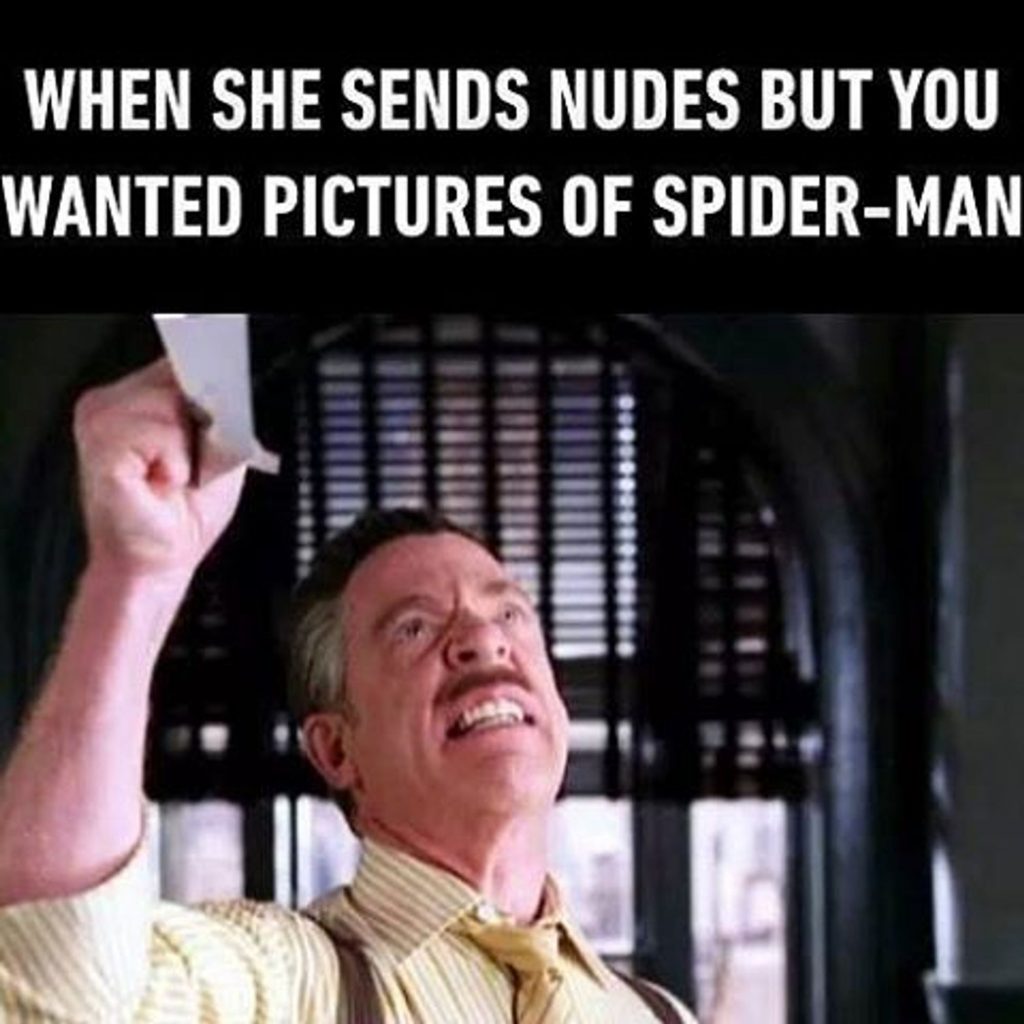
So depending on the overall tone of my story, maybe I don’t actually need to write out my sex scene—I can just let my reader fill in the blanks themselves. And again, like so many well-done subtle things, this can end up being much, much sexier than actually spelling everything out. As an artist friend once pointed out, “nudity isn’t sexy. It’s what you don’t see that gets you turned on.”

Probably worth noting that, like any kind of subtext, there’s always the possibility it’ll slip past some folks. So depending on how important this particular hookup is to my plot or my story, I may want to be a little… y’know, less subtle. Just to help keep things moving. Still don’t have to show anything, but maybe drop one or two more clues when we return from our walk in the woods.

Two, if I’m going to show my sex scene, I want to remember that sex is… well, action. Not necessarily in “expending lots of energy and effort” (although that might be the case in this story), just that actual, physical things are happening in my story. And like any other action, it gets dull fast when it’s written poorly. Yes, it can get dull.

There’s going to be some exceptions, but I think most action shouldn’t feel like it takes much longer to read then it would take to happen. Nobody wants to read about a three paragraph sniper shot or a four page fist fight. When I over-analyze or over-describe anything, I’m slowing the pace of my story, and I don’t want to slow things down to tell my reader how fast things are happening.

And writing about sex works the same way. I’m not saying every sex scene has to have the frantic intensity and enthusiasm of two college sophomores, but If I’m telling you these two people are eagerly ripping each others clothes off and it’s taking six paragraphs for it to happen… you’re probably going to start skimming. And that’s never good. Strong action trusts that the reader’s going to fill in a lot of the blanks and understand what happened between A and C.

Now, since we’re talking about describing all that action…

Three would be personal taste. I think the catch with writing explicit sex scenes is they essentially become porn. Porn, as a friend once pointed out, is when we see everything. And after a certain point, that’s pretty much exactly what we’re talking about with any written-out sex scene. And some people like porn, some don’t. No judgment either way. That’s just a simple truth.

But there’s more to it than that. Because even the people who do like porn don’t all like the same kind of porn. This particular act really turns me on, but you find it kind of quaint and almost routine. Reading about that might weird me out, this might be a complete non-starter for you, and that… okay, that seriously disturbs both of us. On a number of levels. It’s a pretty safe bet that the more explicit—or shall we say, exotic—my sex scene becomes, the less people it’s going to appeal to. And the more people it’s going to… not appeal to.

This is going to be one of those points where I want to have a very clear sense of who the audience is going to be for this story. And I need to be honest about that. What kind of sex scene I put in, and how I describe it, is going to have an impact, so I want to be sure it’s the kind of impact I’m trying for.

Four, last but not least, is something I’ve also talked about with my rules of love that I bring up now and then. Y’see, Timmy, for a long time Hollywood tried to convince us if two good looking people (or even average-looking people) ended up alone in an apartment, a car, an office, a cave, whatever… they’d have sex. It was just what people did. What else were they going to do? Talk? Watch television? Read?

And there are a lot of reasons to think this way. A fair number of people enjoy sex. A decent amount of folks have a phase in their lives where sex is a high priority. And crass as it may sound… sex sells. More than a few filmmakers sold an additional ticket or three (or four or five rentals) off the promise of skin and naughtiness.

But the truth is… most of us don’t have sex at the drop of a hat. And there are times and places that it’s just not going to work. For any number of reasons. Sometimes the reason that sex scene feels kind of forced and gratuitous is because… well… it is

So go forth on this holiday and write your sexy moments. But please consider if you really need to show them. And how they’re paced. And who you’re writing them for. And if they should be there at all.

Next time… I’d like to talk about the new tabletop game my friends and I have been playing. And how it relates to writing.

Until then, go write.

Happy Valentine’s Day.

Categories