August 25, 2016 / 3 Comments

Sucker Punched

             Grrrrh. Running behind again. Sorry.  Juggling too many things right now.  Honestly, I think I’m thinking about juggling too many things and just being hit with a paralysis by analysis situation…
            Anyway…
            Speaking of things that aren’t immediately apparent, I wanted to talk about a problematic character point for a moment.  It’s one I’ve stumbled across a few times (and fallen victim to once or twice myself), and once I worked out exactly why it was problematic, I thought it was worth mentioning.
            A few quick examples…
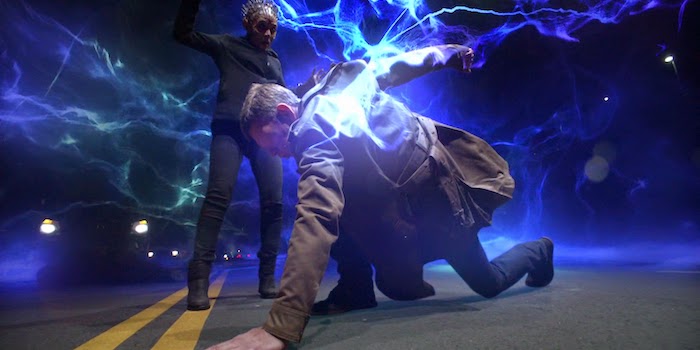
            I saw an older movie recently from the dark era of superhero films. You know, that time before Blade when studios (and writers, and directors…) really didn’t believe you could do a serious superhero movie. Well, not without changing everything about it. Play it more for laughs.  Minimize the costume.  Avoid logos. Avoid masks.  Absolutely no capes.
            Really, how could you hope to do a movie about superhero characters who wear masks and capes and get anyone to take it seriously?
            Anyway, this film had a scene where the superhuman hero waded into a minor gang war while wearing his street clothes.  To be clear, at this point, the hero knew the full range of his abilities. Super-strength.  Near-invulnerability. Enhanced reflexes.  So the bad guys were throwing themselves at this skinny guy and ending up with bruises, cracked knuckles, broken limbs, maybe even one or two concussions in there.  By the time they figured out something wasn’t right, the hero’d probably sent a dozen of them to the emergency room.
            Here’s another example from the book side of things.  As usual, names, genders, and genres have been changed to protect the innocent.  Or maybe they haven’t, just to throw you further off the trail…
            A friend of mine had been doing a western horror story recently and asked me to take a look at his current draft.  His main hero, Wakko, was a pretty solid gunslinger/sharpshooter type (yeah, named his lead Wakko—weird coincidence, isn’t it?).  At one point, Wakko and the other heroes find themselves taking refuge in an old frontier fort that’s run by some less-respectable types. Wakko wanders around and finds the local tough guy, and inwardly notes a few things that confirm the guy may have been the best in the fort, but that doesn’t mean he’s particularly good.  To prove it, and make a point, Wakko teases and insults the other guy until he finally leaps up, grabs for his pistol
            And Wakko flicks out his own gun and shoots the guy dead.  Justified, of course.  That guy was trying to draw.  Everyone saw it.
            I made a note that this scene didn’t make Wakko look particularly heroic.  In any sense.
            This sort of thing is a hustle.  A con.  If you’ve ever played pool, nothing annoys people more than to discover the cute “rookie” who tricked them into wagering everything on their third game is actually a pool shark with countless notches on her belt.
           One thing about a hero—in real life or in a literary sense—is that we expect a sense of fairness and general decency from them.  They shouldn’t abuse their power.  They won’t deliberately harm people.  Yeah, they might have to do awful things at some point, and they might not hesitate to do them when they need to, but it won’t be something they want to do.
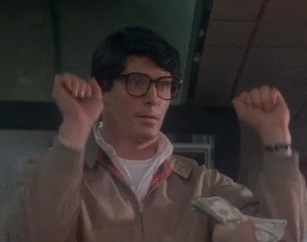
            Y’see, Timmy, a superhero in regular clothes is… well, just a dick.  Yeah, even when it’s Christopher Reeve.  Let’s be honest, that was a cheap move, beating up that guy in the diner.  A green beret who goads people into taking a swing at him is also a dick.  Or a gunslinger who forces somebody into a quickdraw contest.
            Honestly… it’s a bully move.
            Now, when my villain (or just a general antagonist) does something like this, it often works well for my story.  How often have we seen our hero throw a punch or kick or hail of bullets that had no effect?  What appears like a minor obstacle  just became a much more serious challenge for my heroine or hero to deal with. And challenges are great.
            But bullies aren’t.
            Especially when they’re supposed to be my protagonist.
            Next time, I wanted to talk about some thing.
            Until then, go write.
May 6, 2016

The Challenge Round!

            Back from Texas Frightmare, where a fantastic time was had by all.  Well, maybe not all, but everyone I talked to seemed to be having a good time.  If one of those folks happened to be you, thanks for stopping by…
            Also worth mentioning—this is post #350 here on the ranty blog.  I’m kind of amazed I’ve managed to come up with this many posts. Even more amazed that so many folks keep reading it.
            So thank you all very, very much.
            But on to today’s (hopefully) helpful rant…
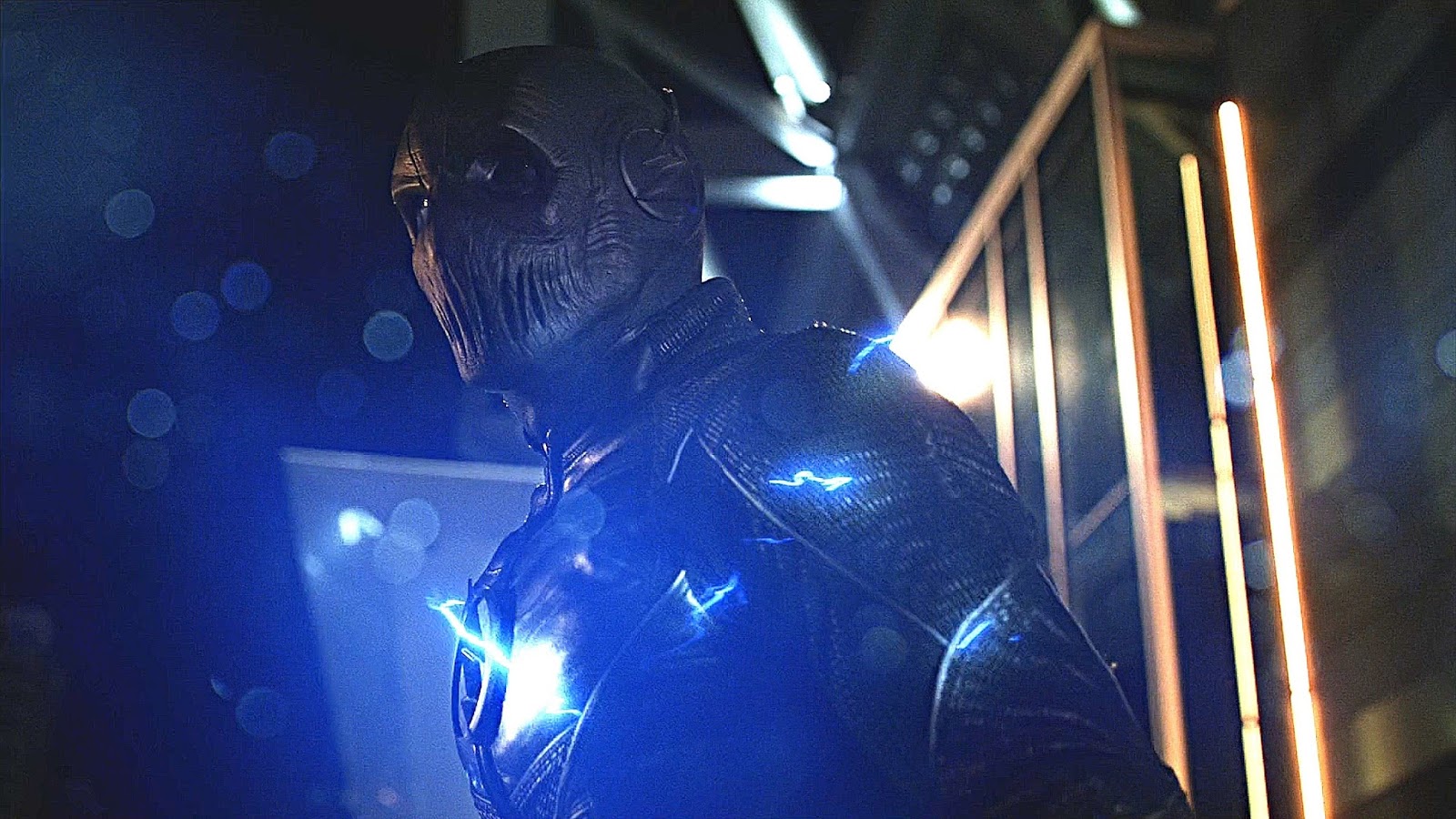
            A basic element of storytelling is the obstacle.  It’s what stands between my characters and whatever it is they want.  In The Fold, solving a puzzle for his oldest friend is what stands between Mike and getting back to his normal life.  A lot of time and a whole lot of space stands between astronaut Mark Watney and getting home to Earth.  The monstrous Zoom stands between the Flashand keeping his home city safe, but so does the potential risk of regaining the “speed force” that makes him the fastest man alive.
            Although, seriously… is it just me, or for “the fastest man alive” does Barry run intoa lot of people who are faster than him?
            Folks may have different thoughts on this, but—personally—I think an obstacle is slightly different from a conflict.  It’s just terminology, but I’ve noticed that exterior problems tend to be called obstacles a lot of the time, while interior ones are almost always labeled as conflicts.  In that example above Barry has to defend the city and his friends from Zoom (obstacle) but also has to weigh the risk of setting off the particle accelerator again to regain his powers (conflict).  Make sense?
            Now, while in strict literary terms either of these can be correct, I prefer to use the term challenge.  I’ve found that thinking about “obstacles” tends to guide the mind toward physical impediments, like parts of an obstacle course.  While this isn’t technically wrong, it does seem to result in a lot of the same things.  This is when you get challenges that have an episodic feel to them.  Character A defeats obstacle B, then moves on to obstacle C, and finishes up with D.
            Anyway, I’ve gone over it in the past, but I thought it might be useful to go over some tips about challenges.  Some of them you might not have considered before, and a few of them… well, one or two it’s kind of sad that I feel it’s necessary to bring them up.
            For example…
I have to have one.
            Yeah, this sounds basic, I know, but it’s surprising how often I see stories where people either sit around doing nothing or just stroll through events with no worries or effort.  They’re geared up for whatever they might run into, from werewolves to biological warfare.  Anything they don’t have just appears.  Anyone they meet is willing to help.  Any lucky break that has to happen does so at the perfect moment.  I know this sounds silly to most of you, but it’s honestly stunning how often this happens in amateur books and screenplays.  Heck, it’s bothersome how often it happens in professional writing.
            There needs to be something between my characters and their goals, because if there isn’t, they would’ve accomplished these goals already.  If I want a LEGO set, I  can walk up the street to Toys R Us and get one– that’s it.  Not exactly bestseller material, no matter how much pretty language I use.  On the other hand, if I want the Transforming Interlock-Cube Tactical Operating Chestplate that MIT designed for a black-ops branch of the NSA… well, getting that’s probably going to involve getting past fences, computer-locked doors, armed guards, a laser security net, pressure-sensitive floors, a badass female ninja, and that’s before we find out Theodore’s a traitor and he betrays us all (knew we shouldn’t’ve trusted that guy…)
            That’sa story.
My characters need a reason to confront it.
            If my characters are going to take on a challenge, they need a reason to do it.  A real reason.  Watney isn’t alone on Mars growing potatoes as part of a psychology experiment—this is his only real chance at survival.  When things start to go bad at the Albuquerque Door project, Mike doesn’t stick around because he can’t get an Uber to the airport—he stays because the lives of his new friends are at risk.  If Zoom isn’t stopped, he’ll kill thousands of people just to amuse himself.
            Make sure this reason is really there.  It may be obvious in my head why the characters are going to undertake a challenge, but is it that clear on paper?  This is especially true for more internal challenges, where my readers need to see why Mike is so hesitant to use his gifts and why it’s a big deal when he finally embraces them.
I need a reason for it to exist.
            A combination of the first two points.  Nothing’s worse than a challenge that has no reason for existing in the world of the story.  No past, no future, no motivation—it’s just there to be something for the protagonist to overcome.  We can probably all think of a book or movie where an obstacle just popped out of nowhere for no reason at all.  That kind of stuff just weakens any story. 
            Challenges have a purpose.  They’re characters in their own right, or maybe obstacles other characters have set in my protagonist’s way.  There’s a reason Zoom exists (he was caught in Earth-2’s particle accelerator explosion), and there’s a reason he’s going after the Flash (he needs to absorb speed force to keep himself alive). He didn’t pop through a breach and start tormenting the Flash and company for no reason.  I need to think about why a given challenge is in my story, and if there isn’t a real reason… maybe I should stop for a few minutes and re-think it.
            I’ll add one other note here.  It’s generally better if the audience (reader or viewer) has at least some idea why said challenge exists.  They don’t need to know immediately, but I also shouldn’t save it for the last ten pages… or never reveal it at all and just vaguely hint at it.  “Oh, that demon that’s been hunting us since sundown… it’s probably after me. We’re psychically bonded.  Probably should’ve mentioned that sooner.”
It has to be daunting.
            It’s bad enough Zoom is about ten times faster that the Flash on a good day, but now Barry’s lost his powers altogether.  He can barely sprint across a parking lot.  Voodoo practitioner Kincaid Strange has to risk her career, her freedom, her life, and maybe even her immortal soul to figure out who raised an impossible zombie in her city.  If the Avengers don’t stop Ultron, it’s going to cause an extinction-level event and wipe out all life on Earth.  This is something I mentioned a few weeks ago—the stakes.
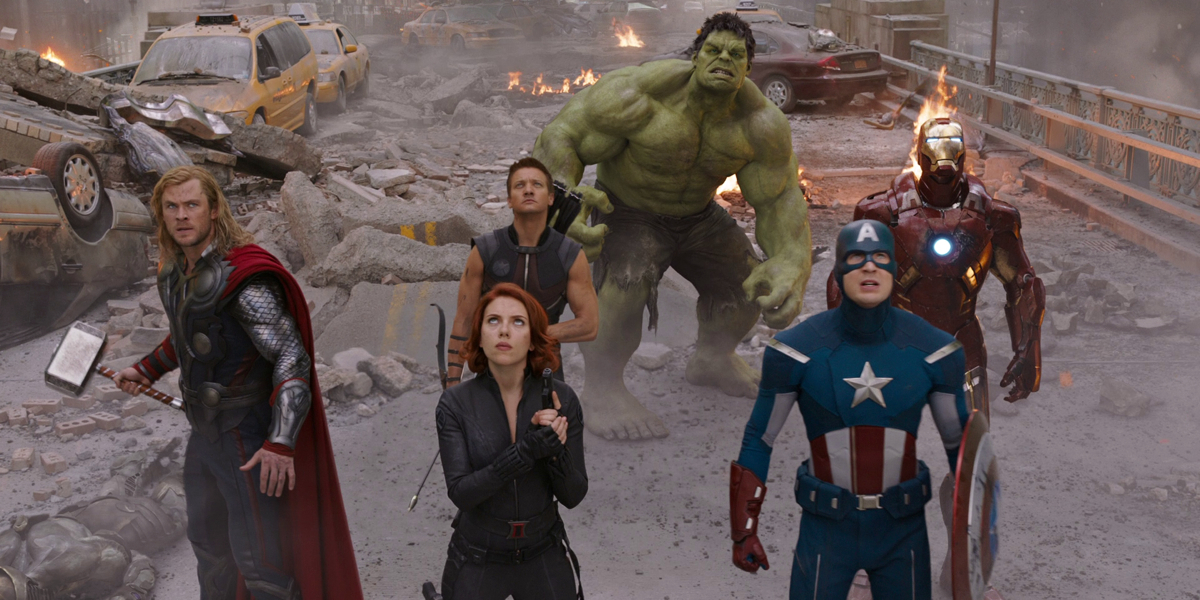
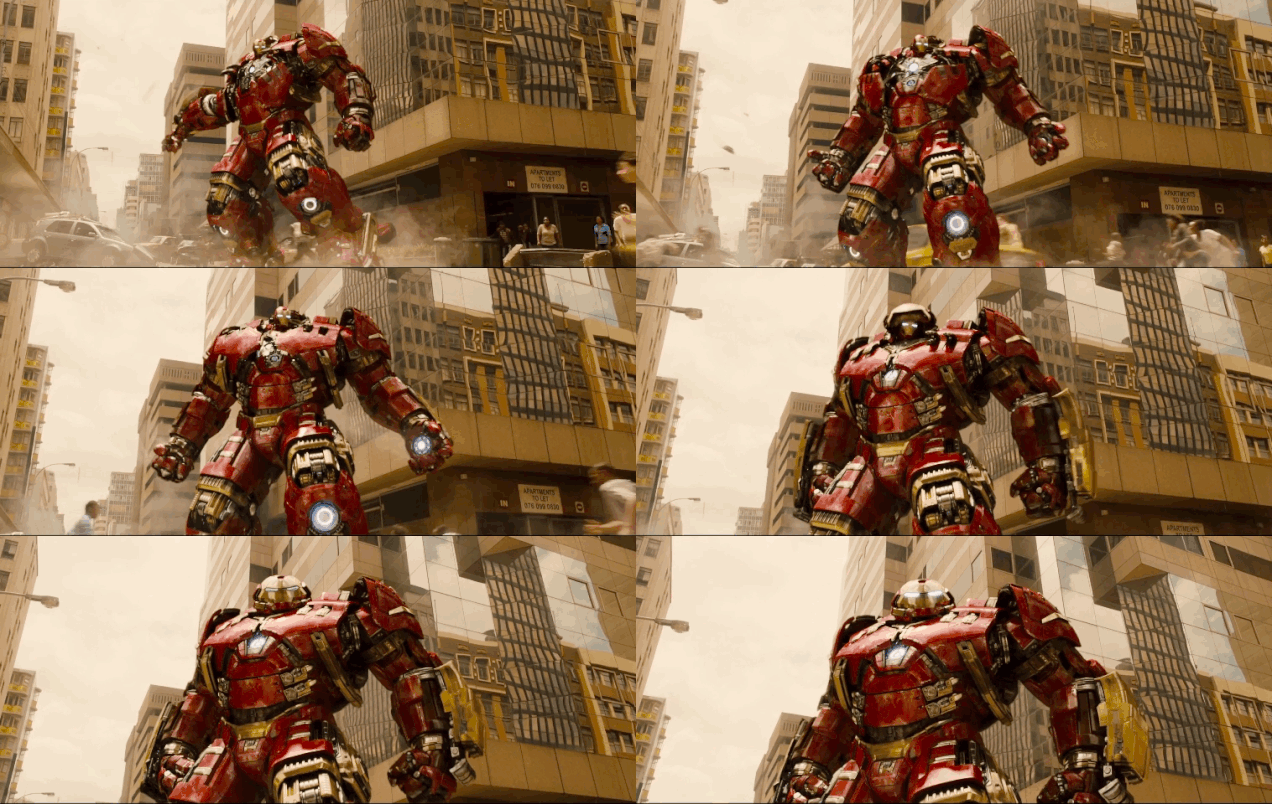
            Characters should never want to deal with a challenge, because let’s be honest– we’d all love it if more things were just handed to us.  Again, getting LEGO vs. getting the TICTOC.  A challenge needs to be something that gives the character (and the audience) pause, or else it isn’t really a challenge.  Tony Stark has built a suit of armor that can take on armies, and an even bigger suit of armor that goes over that one, but he still feels his bladder tremble when he realizes he just got the Hulk angry.
It can’t be impossible.
            There’s nothing worse than being on the wrong side of a sure thing.  Nobody reading this wants to get in a fist fight with Dwayne “The Rock” Johnson because we all know it’d be no contest.  None of us want to be given the responsibility of stopping a runaway asteroid or even just a runaway bus, because I’m willing to bet for all of us here (myself included) those would be things we just couldn’t deal with.
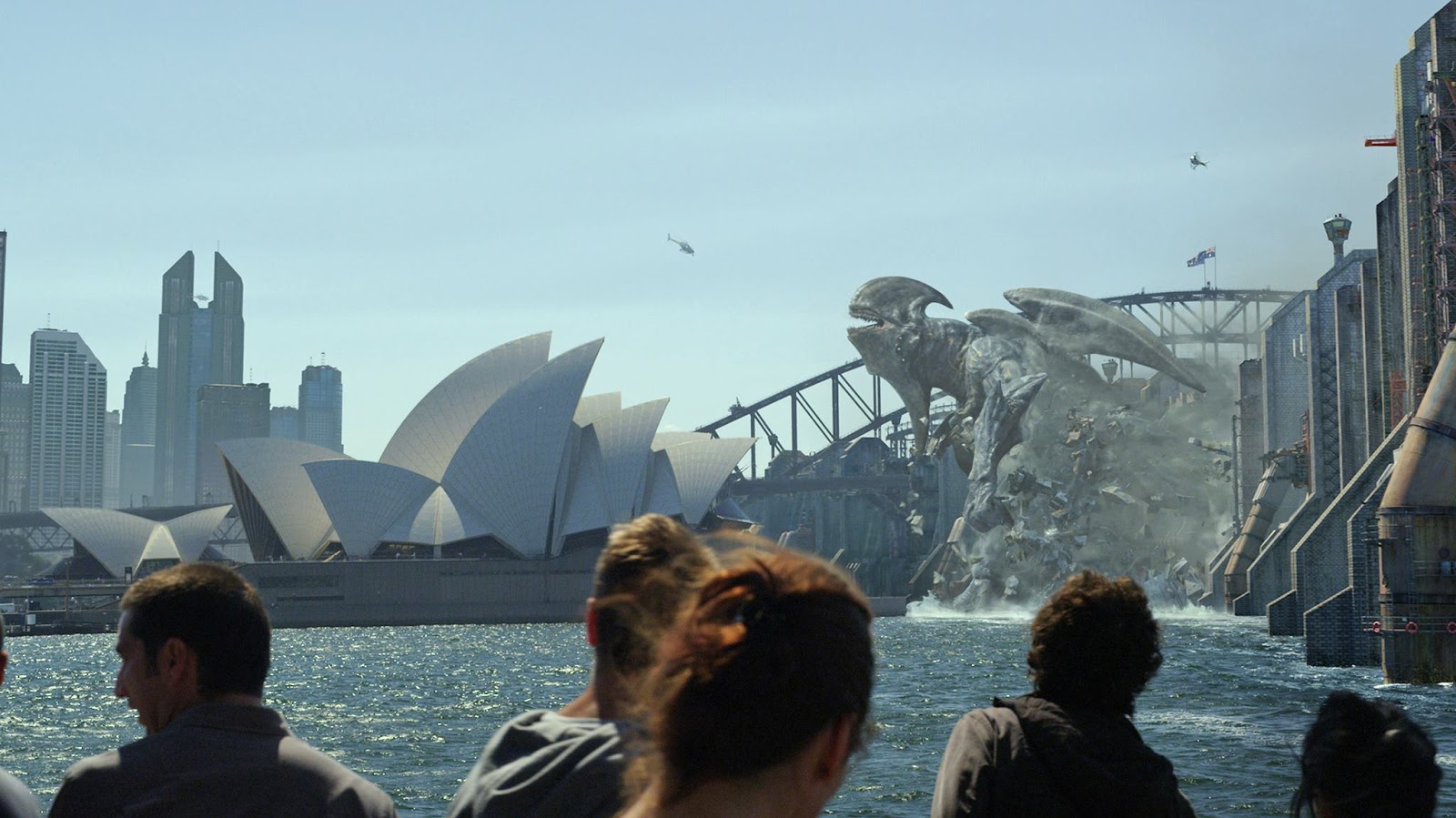
            If you’ve ever watched any sporting event, you’ve probably noticed they’re more or less evenly matched.  The Red Sox don’t play against little league.  NFL teams don’t face off against pee-wee football teams.  The most boring stories tend to be the ones where the heroes have no chance whatsoever of meeting the challenge.  Torture porn or Ju-On horror are great examples of this.  They’re great for a bit of squeamishness or a few jumps, but we can’t get invested when we already know the outcome.  I recently recalled someone theorizing that zombies are so popular because zombies are the monsters we can beat. Werewolves, vampires, demons, kaiju—if these attack, we’re just screwed.  They’re too far past us.  But I’m willing to bet everyone reading this has something within ten feet of them that they could take out a zombie with.
            As long as it’s just one zombie.  Maybe two or three…
            The other risk to be careful of here is if the challenge is completely impossible and my hero pulls it off anyway, it can look unbelievable and knock my reader out of the story.
            Actually, one last thing.  The challenge can’t seem impossible to the character, but have a painfully obvious solution to the reader.  My readers have to identify with my characters, and this kind of thing makes my characters unlikable by nature of their stupidity. That’s not going to win anybody points.
It should be unexpected.
            This isn’t an absolute rule, but it’s something I still lean heavily toward. 
            If there’s a challenge and my characters know about it, then that challenge immediately loses some of its strength.  If they have time to plan or prepare or equip themselves, the challenge shrinks accordingly.
            Consider this—every heist movie involves an enormous challenge—usually getting past security to break into a vault or museum.  There are many chapters or scenes of preparation.  Then, almost without exception, in the middle of pulling the job, something happens that the heroes aren’t prepared to deal with.  A new set of guards, new security equipment, or just that bastard Theodore betraying us and setting off the alarms in the elevator shaft.   This is where the story gets exciting.  If my heroes are so trained  and ready for anything that the job goes off without a single hitch, then there really wasn’t a challenge, was there?
            A bonus of the unexpected challenge is that it often gives my characters a chance to look better.  When they beat the unexpected challenge through sheer skill or cleverness, it makes them all the more likeable.  Because my readers are going to identify with them, and most readers like identifying with skillful, clever people
I need to resolve it. 
            Once I’ve set up a challenge, the readers need to see it resolved somehow.  We can’t set Zoom loose on Earth-2 and then just forget about him.  Once Mike realizes what’s going on with the Albuquerque Door, he doesn’t wash his hands and walk away.  I can’t have my hero pining over their lost love for the first third of my story and then never, ever address those feelings again.  Believe me, readers will remember these things.  Once I present a challenge to the audience it can’t be forgotten or ignored.  As Chekhov once said, if we see a phaser on the bridge in act one, we need to see it fire in act three.
            So make sure the challenges in your writing really are challenging, for the characters and for your audience.
            Next week—I’ve been going over a lot of general story stuff for a while, so I thought I’d take a few minutes to go over some things aimed more at the big screen.
            Until then… go write.
April 21, 2016

The Stakes

            Hello, all. Sorry again for the delay.  I’ve been beating myself near-senseless against this new draft, and tax stuff, and prepping for a con (Texas Frightmare in Dallas/Fort Worth—one week from now!).  Plus I got selfish and decided to sleep for three hours one night…  I think we’re going to be back for the next several weeks with no problem, though.  I just focused a lot on the new book because I feel like there’s a lot riding on it.
            Speaking of which…
            If you listen to writer-types a lot, one term you’ve probably heard a few times is the stakes.  What are the stakes? What’s at stake? Something like that.
            Every story needs stakes.  Simply put, the stakes are the possible repercussions of failure or inaction.  It’s what’s going to happen if my characters don’t succeed in their various challenges.
            This may seem a little silly to say, but generally those repercussions are bad.  A common thing we see at stake is someone’s life—or maybe many people’s lives.  Maybe it’s the protagonists, maybe it’s the life of someone else.  For a lot of summer movies it can mean the fate of the whole world.  The old school/orphanage/watering hole is another common stake.  Freedom’s one, too.  Secretes being revealed.  And there’s always money (billions of dollars at stake!).  These are all great stakes to have in a story.  It’s also not uncommon for a story to lead us in by claiming X is at stake, only to twist things a bit and let us see we’re trying to prevent a much bigger Y from happening.
            Stakes can also be internal, more about my story than my plot.  Maybe Wakko’s sense of self-worth is at stake.  Or maybe his dream of being an astronaut.  Or of getting the girl.
            (…although let’s face it. If Beth is only interested in you because you can ski the K-12, maybe she’s not really worth it.  Have you noticed that cute foreign exchange student across the street?  She seems like a much better person overall…)
            Now, this brings up a key point.  You may notice a lot of the stakes in that last paragraph are kind of small.  Minor, you might even say.  And it’s true, these are small-scale stakes—for you and me.  For Wakko, though, these stakes are huge!  And in a small, personal story that’s fine.
            See, the thing about stakes is they have to be high for my character. That’s what matters.  Yes, it’s horrible if a husband/father might die in a taxi crash in New York, but stopping it from happening is going to mean a lot more to his wife and kids than it does to me.  If we were in the position, any of us would try to stop it—we’re all decent people—but none of us is going to have that sheer needto stop it that his wife and kids would.  For them, those stakes are much bigger.
            So, hey, let’s talk about this with a shameless Marvel movie reference…
            In Ant-Man, Hank Pym has a long talk with Scott Lang where he explains the whole situation with his shrinking technology, the balance of power, and his old assistant Darren Cross.  Scott listens, then very calmly says “I think our first move should be… calling the Avengers.”  And we all laugh, because this is a perfectly reasonable thing to say in the Marvel Cinematic Universe when someone has what feels like a big problem.
            The ugly truth is, though, in a world where AI robots drop cities out of the sky and fish oil pills can bring destructive superpowers or death… Hank’s problems are kind of small scale.  No pun intended.  And when he busts Scott out of jail and gets him involved so Scott will have a chance to repair things with his ex-wife and daughter, well… it’s still pretty small.  Keeping technology from falling into the wrong hands, a jailbreak, stopping the crazy apprentice, fixing my life so I can be with my daughter… these are all small stakes, in the big scheme of things.
            Thing is, that’s exactly why they work.  It’s completely believable that Hank will be obsessed with how the technology he invented is used.  With all the problems in the world, we wouldn’t buy it if the Black Widow or Thor showed up just to save this one guy’s daughter—but it’s very believable that Scott would do anything he could for his daughter.
            Another point, kind of related to the personal aspect.  Stakes need to be believable.  As I’ve said many, many times, storytelling all comes down to characters.  If I can’t believe in what my characters are experiencing or encountering, in their motives or goals, it’s going to be really hard for me to believe in the story as a whole.  I believe in the Infinity Gem creating some very high stakes in Guardians of the Galaxy—an entire story set against a cosmic, futuristic backdrop—but that kind of nigh-omnipotent power just wouldn’t fit in Ant-Man.  The tone needs to be believable, too.  Again, cosmic vs. small and personal, epic vs. intimate.  There’ve been numerous Muppet movies with high stakes, but none where the goal is to stop a serial killer or prevent a bioterror attack.  These stakes are high, no question, but they’re just not the right tone for a story starring the Muppets.
            There’s also a time factor with stakes—there shouldn’t be enough of it.  If Yakko has a deadly disease that kills people in thirty years, bare minimum… well, that doesn’t seem that urgent.  If Wakko’s daughter is kidnapped and they say they’re not going to think of harming her for six months… well, this is bad, but we’ve got time.
            If my stories have a threat, that threat has to happen now.  Not in a year, not in a month—now.  The window of opportunity for my characters should be closing fast, because if it isn’t… well, human nature, right?  Why put it off until tomorrow when I really don’t need to worry about it until August.
            August of 2068, just to be clear.
            This brings me to another small point (again, no pun intended).  The butterfly effect doesn’t really work when it comes to stakes.  If you’re not familiar, the butterfly effect is when very small actions lead to very large repercussions.  In the classic Ray Bradbury story “A Sound of Thunder,” killing a butterfly millions of years in the past changes a time traveler’s present from a progressive, Federation-esque world to a harsh, neo-fascist one.  It’s a common idea.  Changing A will result in B, which will give us C, only one short step from D, and after D then E is inevitable.  And nobody wants E to happen.
            Nobody.
            The catch is that it can be very tough to convey that.  Stakes need to be a little more immediate and personal and not quite so “long chain of events.”  I’ve talked before about keeping things close and personal for my characters—this is that kind of thing.
            Let’s look at Ant-Man again.  One of the plot points is how much damage Hank’s technology could cause if everyone had it.  If Hydra or the Ten Rings got hold of that tech, they could kill anyone with impunity.  Armies of 1/16” assassins.  Terrifying, right?
            And yet… the story kinda brushes over this.  It’s addressed, but after that it just becomes about stopping Cross from selling the tech.  We don’t need to deal with those further-down-the-road repercussions, we just need to stop him right now.  We put a face on it, because these are the stakes that are big to Scott, Hope, and Hank.
            So, my stakes need to be big.  More importantly, big for my characters.  They need to be believable.  They also  need to be imminent.  And they need to be very direct—the more separated they are from the characters and their actions, the less impressive they’re going to be.
            Easy, right?
            Actually let me toss out one last thought on this…
            Hollywood’s convinced a lot of people that everything needs to be huge. Epic-huge!  WORLD-SHATTERING HUGE!  If the stakes don’t involve at least five billion deaths and/or seventy billion dollars, they’re not high enough.  Producers push for this all the time, so these days a lot of screenwriters (and novelists) tend to lean this way automatically…
            Thing is though, those kind of stakes can be exhausting for everyone.  The readers, the characters… even the writer.  That’s one of the other reasons Ant-Man went over well with so many folks. After all the previous Marvel movies had saved the United States from being overthrown (three times), saved mankind from extinction (twice), and even saved the whole galaxy from a would-be god… yeah, it was nice to deal with a story where the stakes were a bit smaller and more personal.  Hell, figure one of the best- selling books of the past decade—Andy Weir’s The Martian—is about saving one guy’s life. One. That’s it.
            So make sure you’ve got your stakes set.
            Next time… we’re going to talk about something we haven’t discussed in a while. Using the rite words.
            Until then… go write.
April 30, 2015 / 2 Comments

Chasing the Boom

            Just a quick post this week.  I’m on my way down to Dallas for Texas Frightmare Weekend.  If you’re in the area, stop by and tell me I’m a hack.  I’ll be at booth #155 in the Made In Texas room, sharing space with the amazing Eloise J. Knapp.
            Anyway, I wanted to talk about the difference between a genre and a boom.  I think it’s important to note the difference because which one I focus on really affects what I’m writing.  And why.
            So, with that in mind, let’s consider superhero movies.

            Superheroes have been insanely hot in Hollywood for the past few years.  There were a lot of good and notable movies and television shows before, but I think we can all agree Marvel Studios really created the current climate with the success of Iron Man, theAvengers, and the many movies before and after.  Christopher Nolan just stoked that fire with his Batman trilogy.

            Naturally, everyone in Hollywood wanted in on that action.  So the “superhero” label got slapped on lots of things.  Even things that weren’t really in the superhero genre.  Because superheroes were hot.
            A few years back zombies kind of exploded. Shaun of the DeadThe Zombie Survival Guide.  The Walking Dead.  And then tons of people were diving in the pool and a lot of folks slapped the zombie label on everything they could.  Because zombies were hot.
            But now people are saying superheroes are on the way out. And zombies are done.  So are vampires.  Witches… witches are probably the new big thing.
            These people are trying to chase the boom.  They’re trying to figure out how to make an easy buck with “what’s hot” rather than focusing on something good in a chosen market.  They’re confusing the genre with the passing fad.
            If I write a good story, people will want to read it.   No one’s ever said “well, I though it was fascinating and nuanced and really touched me on a personal level… but I’m sooooo sick of these superhero movies, so I’m giving it one star.”
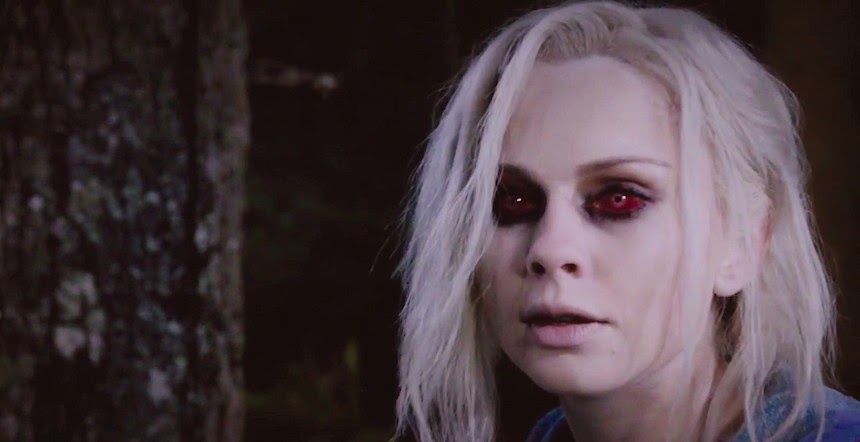
            Y’see, Timmy, superheroes aren’t “done” any more than sitcoms or mysteries or crime procedurals or biographies.  Harry Potter’s come and gone, but the young adult section is still pretty full at my local Barnes & Noble.  Come to think of it, so are the graphic novel and horror sections.  Lee Child seems to be doing okay with his Jack Reacher series, despite the fact that thrillers haven’t been hot for something like twenty years.  And just a few weeks ago—right around the time I was handing in the latest Ex-Heroes book my publisher had requested—the CW premiered iZombie, another zombie television show (there seem to be a lot of them, yes?) where the characters actually made a joke about “hey, do you think zombies are ‘done,’ like everyone says?”
            Don’t waste time chasing the boom.  It’s almost impossible to catch, and far more people stumble into it than anything else.  Just focus on writing the best story you can. Revise it, polish it, and make it better than anyone else’s.
            Next week, I was thinking of hanging some art.  In the execution sense.
            Until then, go write…

Categories