
October 29, 2020

All Hallow’s Idiot

Halloween is so weird this year. One, because we’re all just exhausted from a year of isolation and stress and way too much death. I really hope none of that death has touched you and yours, but we’re kinda at the point where odds are it probably has. And if that’s the case, I’m so very sorry.

The other reason it’s weird is because we all understand it’s pretty much not happening. Trick or treating’s risky. Partying’s right out unless you’re an idiot.

Actually, that’s what I wanted to talk about.
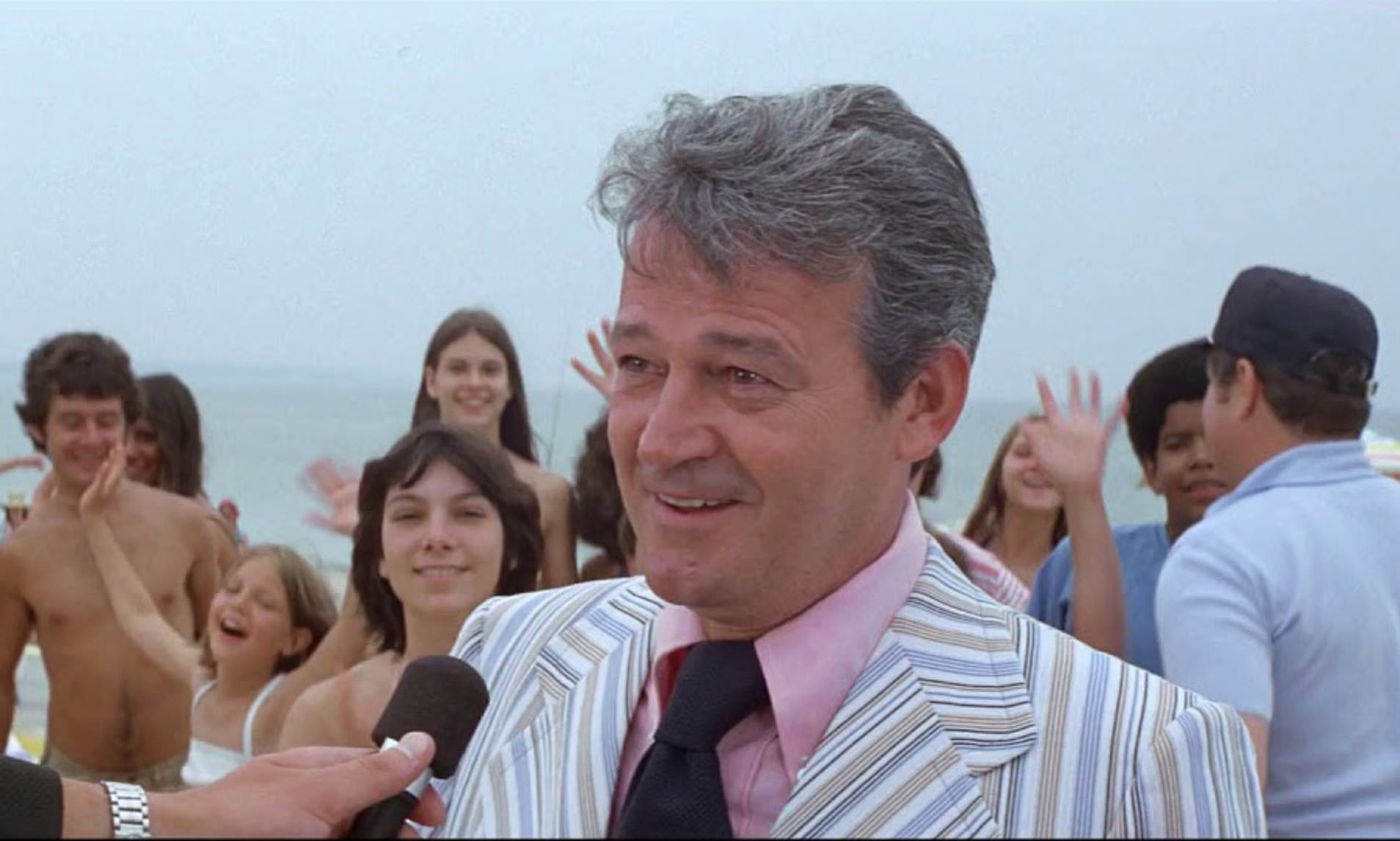
There’s a certain type of character who shows up a lot in horror, and for lack of a better term, we’ll call them the Idiot. They’re the one who simply refuses to believe zombies are real, even when three people have been killed. They’re convinced the aliens are benevolent and this is just a communications problem that can be worked out. Or maybe they’re convinced *cough*cough* the deadly virus is nothing to worry about. Probably one of the most famous Idiots is Mayor Vaughn from Jaws. On the off chance you haven’t seen the movie—and seriously, what the hell is wrong with you if that’s the case—when a great white shark appears off the coast of his small New England resort town, Vaughn ignores all the warnings he gets from the local police chief and a visiting scientist, refusing to close the beaches.

As you may have heard, this does not work out all that great for him. Or some of his constituents.

It’s worth pointing out most of the time the Idiot isn’t actually ignorant. They’re making a deliberate decision to ignore all this evidence they’ve been given. Maybe it’s because it goes against too many things they believe. Maybe their motivation’s more financial. Maybe it’s about power. But it’s almost always a decision made for personal reasons, not because of lack of actual information.

There’s a reason for that, and it’s one of the reasons these characters sometimes fumble. If someone comes running up to me and says there’s a zombie horde around the corner, I’m going to assume they’re either under the influence or maybe a bit unbalanced. Because zombies don’t exist. Me thinking they don’t exist is completely rational. If a storyteller tries to paint someone like me, in a real-world setting, as the Idiot… it’s not going to work that great.

But…

If there’ve been reports of zombie attacks for weeks, and I saw a zombie take down a guy in the Target parking lot two days ago, and now someone runs up and says there’s a zombie horde around the corner… Okay, now I’m in a bit of denial if I mock them. Because I’ve seen evidence of this already. Lots of evidence.

When an Idiot character doesn’t work, I think a lot of times it’s because of where they’re appearing in the story. There’s only a small window where this character really shines. Too soon in the chain of events, and—as I mentioned above—it makes sense I’m not going to believe in zombies. So being the Idiot early on doesn’t work. 

On the flipside,  if we’re two years into the zombie post-apocalypse, it’s kind of tough for readers to believe someone could still be in denial. Heck, how could they have survived this long? There’s a point where we’ve moved past “denial” and we need to be asking about head trauma and medications.

Y’see, Timmy, the Idiot only really works in that one sweet spot of the greater, overall story. After things could be rationally excused or ignored, but before things are, y’know, in flames. If I try to have this character outside that range, it’s going to be really tough to make it work.

Also worth noting the Idiot tends to be an authority figure. Not always, but I’d guess it’s more often than not. Police chief, military general, senior scientist, politician—these are all common Idiots (no pun intended). From a narrative point of view, this gives their decisions (or lack of decisions) more weight. A waiter deciding he’s going to ignore the CDC zombie guidelines when he makes decisions doesn’t have as much impact as, say, a governor or a senator who thinks they can be ignored.

Now, granted, there are times I’ll have a character in my story who’s just… an idiot (garden-variety, small “i”). There’s always going to be that person who firmly believes zombie vision is based on movement, who crouches down to pat the alien space cobra, or who thinks wearing a protective mask is more likely to get them sick than not wearing one. That’s just kind of the way people are in any society that’s taken off some Darwinian pressure. Some folks are just stupid and they do stupid things.

And while having this kind of annoying character can serve a purpose in the story, we shouldn’t get them confused with that deliberate, capital-letter type. An Idiot can stick around in my story for a while, but an actual idiot… well, readers generally don’t have the patience for them. Not to point fingers, but think how fast most Vince Vaughn characters get annoying. We don’t have patience for idiot (small i) characters because the nature of the story asks us to identify with characters. And really, why would anyone want to identify with an idiot?

But the Idiot… we may not like or agree with their motivations, but we can understand them. Mayor Vaughn in Jaws knows there’s a shark out there. He also knows shutting down the beaches could ruin his small town and it’ll definitely ruin him come the next election. So… he makes a stupid decision. A similar thing happens in my own book, Dead Moon, with Luna City’s mayor, Lana.

Do you have an Idiot in your story? Do they exist in that sweet spot? Or are they at a point where their stubborn denial is just coming across as unbelievable?

Next time… look, you’re telling me too much. Please stop. I don’t want to hear this. TMI.

Until then, go write.
July 16, 2020 / 2 Comments

A Compass That Doesn’t Point North

A few weeks back I talked about things getting their genres mid-identified, and afterwards somebody asked an interesting follow up. Namely, how do we identify genres? What are the benchmarks? How do we decide if something’s sci-fi or a techo-thriller or a romance that just happens to be set in a sci-fi world?

I know this sounds like a simple question, but it isn’t. For a couple reasons. Which I shall go over now.

First and foremost thing to remember—I shouldn’t worry about genre while I’m writing. Genre’s really a marketing tool more than anything else, so it doesn’t have a lot of use on the creative/ artistic side of things. In fact, if I’m worrying a lot about the guidelines of a given genre while I’m writing, I may want to take a step back and make sure I’m not just trying to jump on a trend. In my experience… that doesn’t work out most of the time.

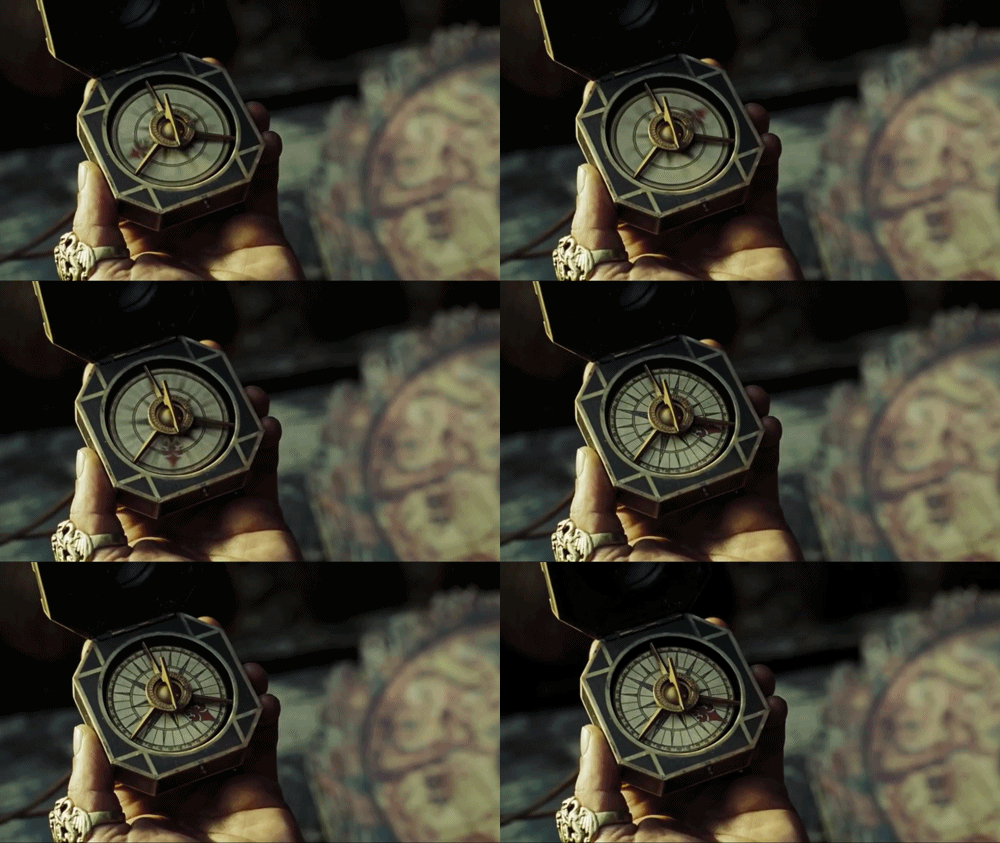
With that in mind… what even is genre? A great way to think of it is a compass (many thanks to Pierce Brown for this analogy). Genre points you in the general direction of things you’re looking for. You want to head south-west? Just keep going that way. You want to find horror novels? They’re all over there.And that leads us to another good way to think of it, maybe an even more relatable one. Where would my book get stocked in the bookstore? Don’t think about getting misshelved or getting featured on that best-sellers endcap. No excuses, no avoiding the question. Picture your favorite store and decide where would it be shelved in that store.

If I can’t answer this… I have a problem. Because this is how an agent’s going to try to sell my book. “It’s something new to go here.” Even if I’m just planning on self-publishing an ebook, Amazon’s going to want to know how to categorize it.

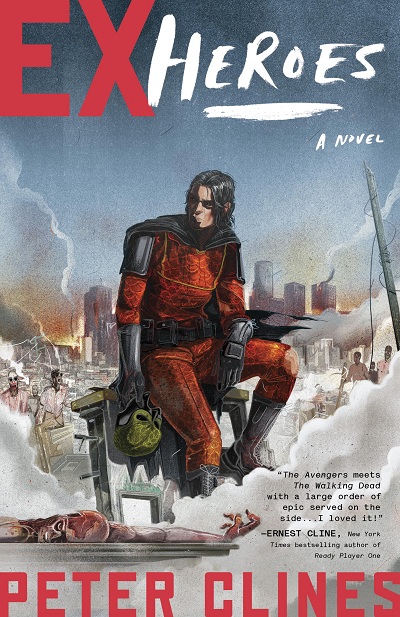
Let me tell you one last little story. My first published book was Ex-Heroes, which ended up becoming a series of books set in that world and all involving the same basic theme—superheroes fighting zombies in post-apocalyptic Los Angeles. When the series originally came out, it was through a small press that specialized in apocalyptic fiction, specifically zombie fiction. That was their niche, and they filled it perfectly. So they heavily emphasized the zombie/ post-apocalyptic aspects of the book in their publicity for it. That’s the direction their compass pointed.

But… by book three the series had moved to Broadway Paperbacks at Random House, and they wanted something that would promote well at comic conventions. So… the superheroes became the new focus. And so the compass needle for the books swung from the horror section (in the few stores the small press had gotten them into) to the sci-fi section.My point being… life finds a way.

No, sorry, my point is that in both cases, the genre gave people a good idea what they’d find when they opened the book. Post-apocalyptic zombies. Superheroes.

So, that said… let’s talk very rough guidelines for a few basic genres. I won’t be able to touch on every genre (and may not even do a fantastic job with these), but I figure if you’re here looking for advice from me, there’s a semi-decent chance you’re writing the same kind of stuff you read. Which is me arrogantly assuming you ended up here because you read a couple of my books and liked them.Science-Fiction—this is when my fictional elements have a rational, scientific explanation behind them. They don’t need to be explained (although hard science fans love it when you can), but they need to fall within a range of believability.

Science-Fantasy—This is when my story elements are hypothetically grounded in science, but (to paraphrase Arthur C. Clarke) they’re so far advanced they’re beyond all possible understanding and essentially magic.

Fantasy—This is when some aspect of the rules of reality are tossed out the window. It might mean magic. It might mean new races or species (dragons, elves, orcs, owlbears, what have you). Fantasy tends to have less technologically-developed settings.

Urban Fantasy—A subgenre I thought was worth mentioning. Here we’re still tossing some of the reality-rules out the window, but we’re specifically doing it in a modern (or near-modern), real-world setting, often with more modern technology alongside it.

Horror—Might sound obvious, but many aspects of these stories involve fear for both the characters and the reader. Depending on my exact subgenre, that fear can have many different causes and intensities.

Romance—again, might sound obvious, but in romance most of the elements revolve around two characters developing a relationship despite various challenges. There may or may not be a sexual element (of varying explicitness) again depending on my subgenre.

Mystery—This is when the main thrust is trying to find answers to a problem—very often (but not always) involving a crime of some sorts. Another good rule of thumb for mysteries—they tend to center around something that already happened. The mystery is past tense.

Thriller—Somewhat similar to mysteries, this is when the plot elements involve a current, ongoing problem. Because of this, thrillers also tend to have a strong action component and fast pacing. The rule of thumb—thrillers are happening right now.

That’s not all possible genres (not even close), and there are sooo many sub-genres, but it’s enough to get you started.

One last thing to tag onto this. You’ve probably heard of terms like young adult or middle grade. It’s worth noting these aren’t actually genres in and of themselves, but additional guidelines that get applied to a given story. It’s not about my story as much as it is about how I’m choosing to tell that story.All of this leads me to my final bit of advice, which kind of ties back to that earlier post. If I had to give a one or two sentence elevator pitch about my story, what would be in that pitch? What would I be focusing on? Would I be talking about space elevators and moon colonies, or would I be emphasizing the zombie hordes rising from their graves? Remember—I’ve only got two sentences, and they can’t be run-ons. Elevator pitch. Very fast, very clear.

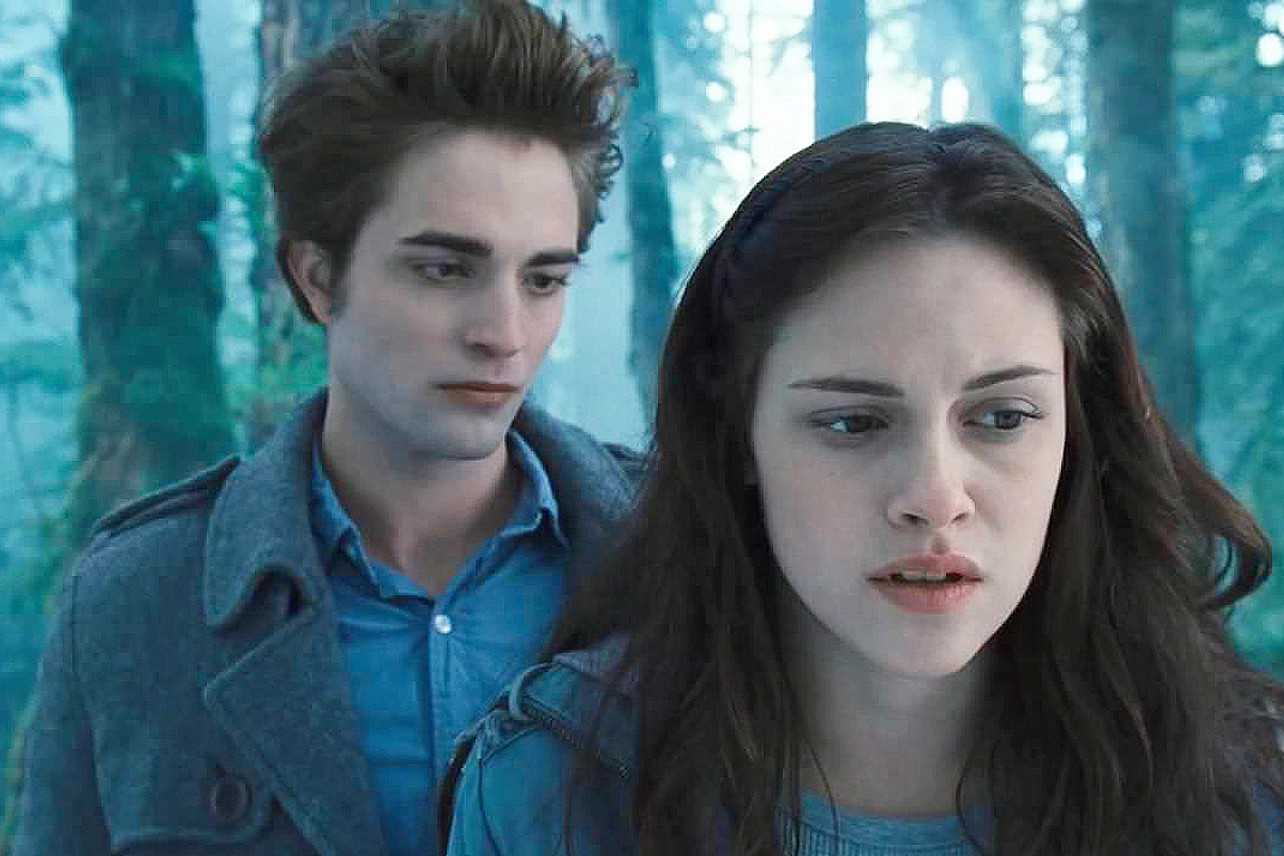
Consider Twilight. It has vampires and werewolves and more than a few deaths… but it’s not a horror story. It barely counts as urban fantasy. The thing we’d emphasize in our elevator pitch is the high schooler who falls in love with a vampire. It’s a romance novel. Supernatural romance if we want to start focusing down.

And remember—there may be elements to my story that’d normally be immediate signs of one genre, but they don’t come up in that elevator pitch. That’s okay. I shouldn’t try to cram them in. Tamsyn Muir’s Gideon the Ninth has lots of raunchy jokes and a few spaceships, but I’d bet 99% of the people who’ve read it don’t think of it as a comedy or a sci-fi novel–their minds jump right to the necromancy and the murder mystery.

And that’s all I’ve got to say about genre. Unless anyone has any specific questions?

Next time…

Well, in some beautiful, alternate world we all sheltered in place all through March and April, wore our masks for May, and now it’s perfectly safe for all of us to attend San Diego Comic Con next week! YAY!But in this world, alas, SDCC was cancelled because of folks who refused to do those things. There are still going to be some virtual events, though. I’m doing a panel on sci-fi writing next Friday at 4:00. I’m hoping to have a new Coffeehouse video up by then. And I’m also going to be doing a special Saturday Geekery, live-tweeting a few B-movie classics with some friends. You should come join us.

And all this means that next time, I may revisit and revise my list of top B-movie mistakes.

So until then, go write.

And, c’mon… wear your mask.

June 18, 2020

The Maltese MacGuffin

So, last week I talked a little bit about a couple genre problems I see pop up all the time. I think they’re most common in fantasy, sci-fi, and horror, but the truth is they show up all over the place. It was a fun little rant, You should check it out if you missed it.

There was also one other genre problem I wanted to talk about, but I didn’t want that post to get ridiculously long. And in an odd way, this is sort of a reverse-genre problem. Less a problem with writing genre, more one with identifying it.
I’d like to talk to you about a little indie filmfrom a few years back called Pulp Fiction. Maybe you’ve heard of it? Excellent.

What’s that? How does this relate to genre rant, you ask? I mean, Pulp Fiction clearly isn’t a genre movie. Not in that sci-fi/fantasy sense, anyway.

Except… well, do you remember the mysterious briefcase that floats through the story? The one with something bright and glowing inside of it, something we never see. There are a lot of theories out there about what’s in the briefcase, but one of the more interesting ones is that it’s Marsellus Wallace’s soul. He made a deal with the devil as a young man and now he’s made a new deal to get it back. Jules and Vincent, you see, are the go-betweens who are getting the soul from Satan’s reps (Brett and his two partners). This is why the briefcase’s combination is 666 and why everyone is stunned by the beauty of the thing in the case—it’s a pure, innocent soul. It also explain why the bad guys can’t hit Vince and Jules—it really is divine protection.

And if the movie’s got this spiritual/magic element to it now—souls and the devil and actual divine protection—well… isn’t this a gritty urban fantasy movie? I mean, that’s pretty close to the definition of urban fantasy. Maybe supernatural crime or supernatural noir, if we want to give a more flavorful description.
Of course the real question is this. If it isWallace’s soul in the briefcase… what changes in the movie? What would be different?
Before you answer, let me point out the thing in the briefcase is what we’d call a MacGuffin. It’s an object that drives the plot without really having anything to do with it. The Maltese Falcon’s another famous one. It’s the motivation behind everything that happens in the movie—every death and betrayal and double cross—but the titular statue only shows up in the last ten minutes.

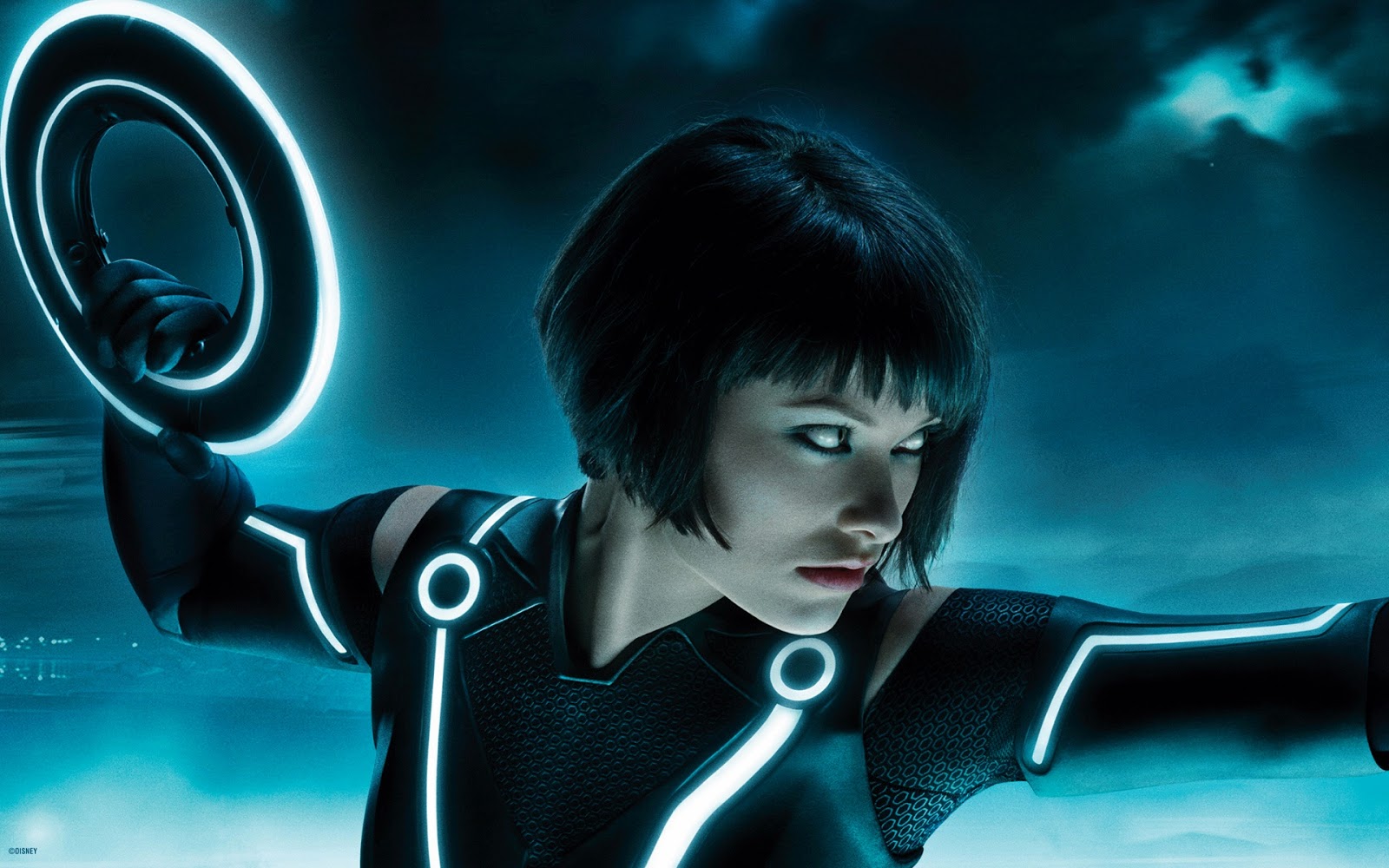
So the answer to the above question about “what would be different” is, of course, nothing. Again, the thing in the briefcase is just a MacGuffin. It could contain a human soul, a gold brick, a Tron ID disc, absolutely anything… and it wouldn’t change the plot in the slightest. Because it isn’t actually interacting with anything in a meaningful way. We can make an argument the briefcase is, but whatever’s inside it is… irrelevant.

So it’d be kinda dumb to call Pulp Fiction an urban fantasy movie. The sole element that would put it in that genre is almost completely disconnected from the plot and/or story. It may contain that element–that plot device, if you will—but that doesn’t necessarily push the movie into a different genre.

Which is the problem I wanted to talk about. Some folks have a bad habit of using a single element of a book or movie to justify bumping it into a new genre. I’ve talked about this a couple times with superpowers stories that try to call themselves superhero stories, and the problems that can cause. Just because someone’s using a sword doesn’t make my story high fantasy or historical fiction. Setting it ten years in the future doesn’t automatically mean it’s sci-fi. And just because there might be a soul in that briefcase doesn’t make Pulp Fiction urban fantasy.

I’ve seen this sooooo many times. You probably have as well. A book or show that’s really X but got marketed as Y by the author or publisher. Something that has one simple conceit to it that could be a genre element, but really the story fits into another genre altogether.
As I’ve mentioned before with superhero stories vs. superpowers stories, the big problem here becomes audience expectations. If everybody had gone into Pulp Fiction being told it was a supernatural crime story, it would’ve affected how they viewed everything they were shown. And let’s be honest… they would’ve been annoyed. Probably pissed. Because the story went against everything they thought they were going get.
What’s my point? I need to be honest with genre labels. I need to be aware of what my story really is, even if it’s got a MacGuffin or setting that might make it look like something else. Again, having a sword doesn’t suddenly make this historical fiction.

And yeah, it’s really tempting when comedies are sellingto say “Why, yes, my manuscript Terminus contains several laughs and completely reads as a comedy.” But this almost always works against me. Sure, sometimes a reader will say “this isn’t what I expected at all but I ended up loving it anyway…” but those times are few and far between.

So be honest with yourself about what you’ve written. Even if it has ghosts or clones. Or a disembodied soul in a briefcase.
Next time, speaking of genre (some more) I’ve got a little mystery for you to ponder…

Until then, go write.

Like a lot of you, I’m still feeling a little overwhelmed by everything going on right now. Awe-inspiring stuff. Long overdue stuff. But still overwhelming.
I thought about updating my list of top ten B-movie mistakes, but I really haven’t been up for bad movie geekery for a few weeks. So I shelved that idea for a while. Then it occurred to me there’s a related topic I haven’t discussed in… well, years. Not directly, anyway.
It probably goes without saying that I really like genre fiction. I grew up with Doctor Who and Star Wars and comics about Spaceknights who came to Earth to protect us from alien shapeshifting sorcerers. Sci-fi, horror, fantasy—I like reading ‘em, I like writing ‘em.

But you probably knew all of that already.

Point is, I’ve consumed so much of this stuff. In so many formats. A lot of it’s been fantastic. Some of it’s been… not so fantastic.

As I started taking storytelling and writing more seriously, as I started really breaking things down and studying them, I noticed a few similarities. Common problems that showed up again and again, especially in genre stories. Three of them.

To be clear, they’re not confined specifically to these stories—you might see these issues crop up in mysteries or romances or even literary fiction. They’re also not the only problems these stories can ever have (not by a longshot). But it’s kind of amazing how often a problematic sci-fi or fantasy and even horror will have one or more of these three issues.

The first issue is when we bury our stories in too much of our chosen genre. If I have an idea, it gets included in the story. No matter what it is—neat visual, cool character beat, clever way a door opens—I’ll fit it in there. If it was scary in that story, it’ll be scary in my story. Most of us have probably read a genre novel that went to great lengths to explain how the weapons, shoes, uniforms, food, transportation, education, and economics are all very different on that other world or in that not-too-distant future. If it’s a magical world, everything is ancient and magical and built by the fae. If it’s a sci-fi world, everything has nanites and AI and came from interdimensional aliens. People don’t wear glasses in these stories, they have optykwear, and a good set of optykwear can cost you seven or eight neshseks.
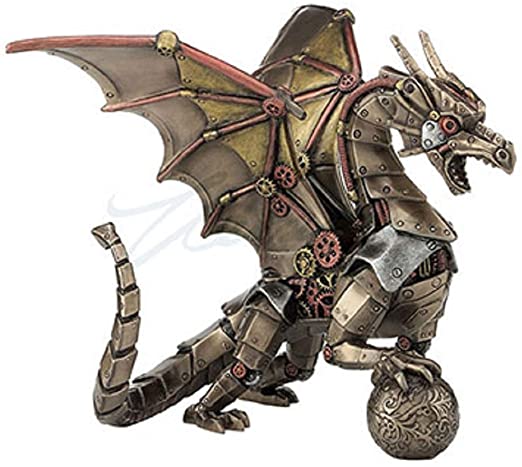
The problem with writing like this is my audience has nothing to connect with as they’re overwhelmed with all these unfamiliar elements. The people are different. The setting’s different. Motivations are different. Yeah, it’s a really cool alternate world where the Dark Ages never happened, all coinage is brass,  and wars are now fought with steampunk robot dragons run by difference engines, but the important thing is that my readers need to be able to understand this world and relate to it, while it’s on the page in front of them.
All the worldbuilding is good, but my story needs to have something my audience can immediately identify with in some way, and it’s best if it’s the main character. Someone who hates their job, who wants something they can’t have, or maybe who just feels like an outsider. A person with a universal need or desire.
When a reader believes in my characters, they’ll believe in what’s happening to my characters. It has to do with willing suspension of disbelief—I can’t believe in the big elements of a story if I don’t believe in the basics of it. Once I’m invested in Wakko’s life, then I’ll be more willing to go with it when he goes to work shoveling coal in the belly of a a giant steampunk dragon (but one day he’s going to be the commodore of the whole mechdragon fleet—you just wait and see)
There’s one very closely related issue to this, so close I’m not even going to branch off and make it a separate thing. Sometimes, all the laying-on of more genre gets a little monotone. Dramatic stories that are non-stop drama. The horror movie that’s nothing but horror. The magical fantasy series where everything is magical and fantastic. No matter how much I love this thing, it gets boring pretty quick when it’s all I’m getting.
We want our fiction to mirror our lives as much as possible, and the truth is very few of us lead monotone lives. They get broken up with moments of laughter (not always at appropriate times), random pettiness, unexpected excitement, casual flirting, and more. Our stories should be the same way.
The second issue happens when I try to explain everything. It’s confusing enough that I dropped readers right into a steampunk mechdragon battle, but now I’m going to pause that battle for ten pages while I explain how mechdragons came to be and where the best coal for their boilers is mined and how the creation of functioning wings (and the required steam- piston musculature) changed the nature of battle and hey I should probably talk about dragon tactics for a bit, right?
I think most people reading this have seen a story or two that suddenly deviated into that sort of excessive, often unnecessary exposition. I’ve read many stories that suddenly go to great lengths to explain how and why the serial killer turned out the way she did. Or how she ended up with superpowers and exactly how they work. Or both. At length.
What this leads to is stories that feel very detailed, but very little ever actually, y’know, happens. Page after page of explanation can add up really fast, and suddenly a third of my book is just… details.  And while I’m going over those details, my characters are just sitting around twiddling their thumbs, waiting for something to happen again. It can also annoy my readers as all this information gets doled out, especially if it’s something that feels unnecessary and unmotivated.
I think there’s two ways to deal with this issue. One is something I’ve talked about here in the past—the ignorant stranger.  If I’m going to explain things, I should have an actual, in-story reason for them to be explained. Wakko may know the day-to-day workings of a mechdragon, but Phoebe’s a stowaway and he needs to help her pass as a crew member or she’ll be “dropped off”… and they’re three thousand feet up. So he has a solid, understandable reason to explain everything and she can ask a lot of the questions my readers probably have.
The other way to deal with this issue is the quick and easy one. Cut it. I can delete anything that isn’t actually necessary to the story. This can be tough, because, I mean… steampunk mechdragon wars! There’s so much cool stuff in those three words. But how much of it do I really need? Is it relevant or is it just me piling more “genre” onto the plot and story? Yeah, ceramic teeth are cool, especially on that scale, and I’ve come up with a crazy way how they’re made, but does my story fall apart if the reader just knows the mechdragon has… teeth? Does it change anything if in their mind they picture the teeth are brass or steel or diamond? Pages are precious—do I really want to spend part of one on this?
The third issue is actually the reverse of the last one. It’s when I don’t explain anything. There’s so much new stuff that there’s no context. I can’t tell if neshseks are coins or bills or maybe they’re not even money. Maybe this world works on the barter system and they’re some kind of gourd. Could be a massage or a sex act or maybe it’s some kind of pet? Maybe it’s a pet that gives great massages?
But it’s not just terminology. The genres also tend to collect mysterious characters who drop vague hints or implied threatsfor… reasons. Creepy messages appear on walls, sidewalks, computer screens and we never learn how they got there. Disturbing objects are discovered in the attic and never, ever discussed again.
I think there are two general reasons this issue happens. First is that, as the writer, I’ve sunk deep into my fictional world for the past five months and I forgot the reader… hasn’t. They have no idea what a neshsek looks like. Or what it’s used for. Or how many you can seriously expect to get from a relative stranger for two tinted sets of optykwear
The other reason is that people are trying to duplicate the sense of mystery and anticipation they got from another story, but they don’t really understand how and why it worked there. A lot of these weird mysteries are just a general lack. There is no explanation or reason or motivation behind what’s happening in the story. It’s just happening right now because… I wanted to tell a weird creepy story.
A friend of mine gave me a great rule of thumb once, and I think it’s the best way to deal with this issue. I kinda mentioned it up above—my main characters should mirror my audience. If my goal’s to make my audience puzzled and eager to learn more, then really Phoebe should be puzzled and want to learn more. If the reader’s angry about something, Wakko should probably be angry about it, too. Likewise, if Phoebe and Wakko are both really annoyed because they still don’t know what’s going on… well, I can probably guess how my audience feels right now, one way or the other…
Are these the only three problems that might crop up in my genre writing? No, not at all. I have faith in you that you will find awesome, all-new problems. But these are the ones I see appear again and again. So maybe they’re worth looking for in my manuscript. Just in case.
Next time… I’ve got kind of a follow up idea to this. It didn’t really fit here, but it’s a genre problem. Sort of.
Stay safe out there. Wash your hands. Wear your mask.
Until next time, go write.

Categories