
February 11, 2021

Love, by the Numbers

Yes, there’s love in the air this weekend. Well, love and covid. Probably why I forgot to line up a holiday-related post.

Most folks enjoy a good romance because most of us have either been in love, are in love, or want to be in love. It’s a wonderful feeling. Heck those first few months of giddy romance are just fantastic, aren’t they? Love is great because we can relate to it.  We believe in it. For the most part, we enjoy seeing other people in love.

If those three traits sound familiar—relatable, believable, likable—it’s because I’ve mentioned them three or fourteen times as the traits of good characters.  So a good romance can be a powerful tool in a story, because it immediately grounds one or two of my characters.

However…

I’m betting most of us have read a book or watched a movie where, with no warning, two characters start professing their mad love for each other. No preamble, no chemistry, they just suddenly start flirting on page 108 and they’re making long-term plans by 200.

Nobody likes emotional fakery, and few things can weight a story down like a pasted-on love interest. It just feels insincere and artificial. We roll our eyes when it’s in books and laugh when it’s in movies. And probably groan either way.

Anyway, I figure it’s been a while so for this Valentine’s Day let’s revisit my patented** Rules of Love that can help you write a wonderful, believable love story.

**not actually patented

The First Rule of Love –As I was just saying, love needs real emotions, and I can’t have real emotions without real people. And real people, oddly enough, act in realistic ways. Maybe not entirely rational ways, granted, but still believably realistic.

My characters are going to have needs and desires, likes and dislikes.  And it’ll stand out if they make choices that go against those traits. Yes, opposites attract—they even have a lot of fun together—but if we’re talking about real people, odds are these two are going to have more in common than not. Wall Street hedge fund managers don’t usually have a lot in common with mural artists.
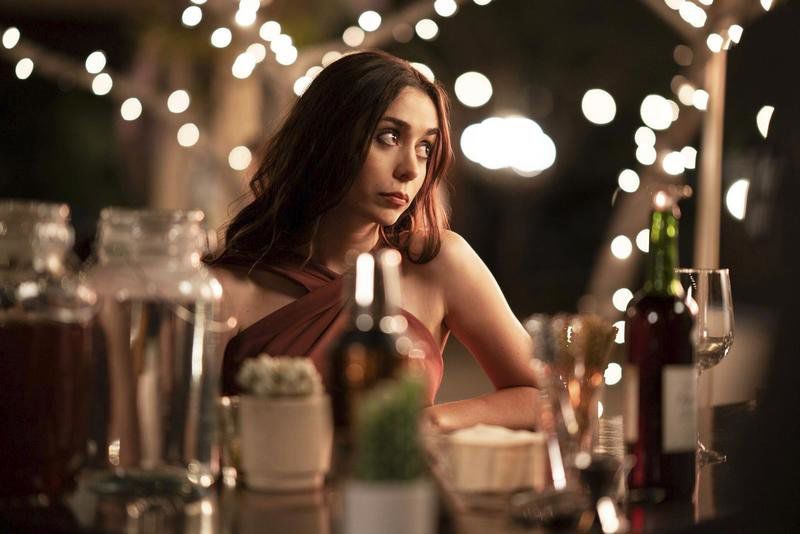
Also, how fast and how far my characters take things should be consistent with who they are. They can be confident or nervous, experienced or awkward.  Some people schedule every hour of every day, others don’t own a clock. For some folks it’s a major moment to have that first cautious, fleeting kiss on the third date, and some people are tearing each other’s clothes off in the hall closet half an hour after they meet.

Short and simple version, my characters need to be believable if their love is going to be believable.

The Second Rule of Love  –Show of hands—who’s ever had somebody try to push you into a relationship? Maybe it’s friends or coworkers. Hopefully it’s not relatives, because that’s always kinda… weird. Maybe it’s the person you’re on the date with and they’re talking weddings and kids before you’ve ordered drinks. Which is even more weird.

It might just be me, but I think in all these cases the result is we want to get away from the object of our potential affection. Nobody likes feeling forced into something, and so we don’t enjoy seeing other people forced into things. That’s just human nature.

Now, for the record, “somebody” includes me, the writer. Characters need their own reasons and motivations to get into a relationship. I can’t just have them doing things (or people) for the convenience of the plot. If I’ve based my whole story around the hedge fund manager and the artist coming together to save the art school (and discovering their mutual attraction in the process), then I still need a real reason for them to get together, because they’re real people (as mentioned in the First Rule). 

Again, people get together because they want to get together, not because other folks think they should be together.

The Third Rule of Love – This one also counts as real-world advice. We shouldn’t confuse sex with love. We’re all adults, and I’m willing to bet most of us have had sex with someone we weren’t madly in love with at the time. Or at any time later. There are lots of points in a story where it might be completely acceptable for two people to have sex. Sex is fun. It’s a stress-reliever. It can distract us from thinking about other things for a while. Heck, it can even keep you warm.

But sex doesn’t always lead directly to love. In stories or in the real world. If my two characters fall into bed (or into a back seat, or up against a wall, on a desk, etc), I need to be clear what it means for both of them. Forcing something casual into something serious will just read as forced (refer to the Second Rule).

TL;DR… sex and love are not the same thing.

The Fourth Rule of Love—This one can be hard to grasp because Hollywoodkeeps telling us otherwise.  How often in movies can you immediately spot “the love interest” as soon as they’re introduced? It doesn’t matter what kind of film it is or what’s going on, it’s easy to pick them out the first time they appear.  You may have heard of a certain moment called the “meet-cute,” for example

But y’see, Timmy, the simple truth is…  romance doesn’t always fit in a story. Somebody might be fighting for their life, in hiding, or so terrified they’re an inch away from a heart attack. Maybe they’re already in a relationship with someone else. Maybe they just have no interest in that sort of connection right now—emotional or physical.

Forcing a relationship in these situations also risks making one or both characters seem very unlikable. If I’ve already established one set of relationships, trying to force new ones can create a lot of… complications.

I mean, we’ve all been there. Sometimes… it’s just not going to happen.

So there are the Rules of Love. Now go forth this weekend and spread the love. Where appropriate.  Don’t be that guy. Really, just don’t be that person.

Next time, I promise… Cloverfield. It’s going to be fantastic.

Until then, go write.

December 23, 2020 / 2 Comments

It’s Not Christmas Without…

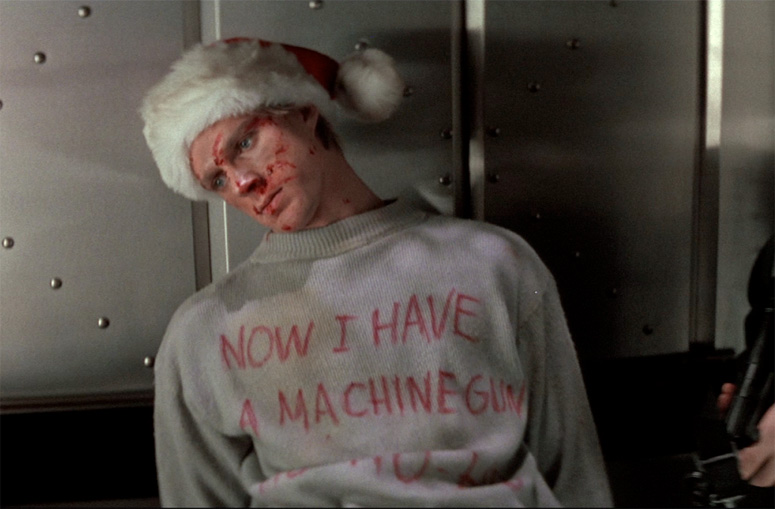
And here we are, at that wonderful time of year when a young man’s thoughts turn toward… Nakatomi Plaza.

I wanted to do a holiday-ish post, and then (while watching a favorite seasonal movie) it hit me I could address a fierce debate that’s surged up over the past few years. And maybe I could even make it semi-educational. From a writing point of view.

Is Die Hard a Christmas movie?

Now, let’s be honest. If you’ve got strong opinions about this, I’m not going to change your mind. But if you’re somebody who cares a lot about stories (and if you’re reading this, I’d guess there’s a semi-decent chance you are) maybe this week’s little ramble will make you look at Mr. McLane’s late December adventure a little differently. And maybe some other stories, too.

With that disclaimer out of the way… let’s start by talking a bit about the difference between an element and a genre. I’ve mentioned this before, so I won’t go into it too much. Simply put, there are a lot of labels we can slap on both story elements and genres, but the presence of one doesn’t automatically create another. For example, there’s a strong romance element in Bloodshot, the Vin Diesel movie that came out earlier this year. It’s also got a few funny moments. But I don’t think any of you would be surprised to learn Bloodshot isn’t considered a romantic-comedy. Romance, comedy, suspense, mystery, horror, sci-fi… all of these things can be in a story that’s not in that same-named genre.

So let’s talk about Christmas as an element and as a genre.

As an element, Christmas can be a couple things. Easiest is the setting—it’s a specific timeframe that pretty much everyone on Earth knows and can understand to some extent, even if they don’t celebrate the holiday themselves. Also worth noting that Christmas is one of those (if you think about it) rare holidays that has a very fixed date, unlike lots of other that slide around the calendar a bit each year.

Christmas is also in the details and descriptions. Christmas trees, wreaths, presents, garland, lights, a Santa on every corner and a snowman in every yard. These are things I can mention in my story (or show in my movie) and they create an immediate association for people.

It’s also a mood, and a lot of traditions. If I’ve got a story set at Christmas, it’ll probably show up in dialogue. Let’s face it, people interact and talk a little differently in December, no matter which way they feel about any particular holiday. Scrooge is a little nastier. That super-peppy woman at the coffeeshop is almost scarily happy and peppy.

I think there’s a lot of movies and stories out there that get marketed as Christmas tales, but really just have a few random elements tossed in. We could move said movie to Memorial Day weekend or a random bank holiday and nothing notable would change. The romance would have the same meet cute, the comedy would have the same awkward moment at the dinner table, the zombie movie would have the same stupid montage of our protagonist fighting the horde witha baseball bat.

And this would bring us to Christmas the genre. There’s a lot of thoughts on defining genre (I’ve shared some too) but I think one notable thing is how abundant those elements are. Eventually the romance or the comedy becomes a dominant aspect and we think of this story as a romance, a comedy, or maybe a romantic comedy if it’s got both. The horror or sci-fi elements are so intrinsic to the plot my novel would crumble without them.

What marks something as part of the Christmas genre? The setting, absolutely. Sometimes the characters. It’s really hard to do a movie where Santa or Rudolph’s a main character and not have it be a Christmas story. And we see a lot of common themes in the Christmas genre. Joy. Peace. Happiness. Love. Togetherness.

Simple, right?

However…

There’s another aspect to this, and it’s something I hinted at up above and once talked about with (shameless name drop in three… two…) Shane Black. Christmas, maybe more than any other Western holiday, is an amplifier. Everything hits a little harder at this time of year. Romance is great, but Christmas romance is even better. Friendship is wonderful, but being with your friends at Christmas is fantastic. Family squabbles can be funny, but during the holidays they’re even funnier. And, yeah, puppies are great, but have you ever seen CHRISTMAS PUPPIES?!?

(seriously, you just grinned at the thought of Christmas puppies, didn’t you? See?)

And, yeah, this goes the other way. If something’s tense, it’s three times as tense at Christmas (scientifically measured). When something horrible happens, it’s even more horrible because it happened at Christmas. And to touch on a serious issue, depression’s never great, but depression during the holidays is just awful.

So I think it’s fair to say there are stories that may lean heavily toward non-Christmas elements, but the Christmas setting amplifies these stories. It inherently makes them more than they would be without it. Not a coincidence how many Christmas stories involve finding true love or reuniting with your family. And there’s a serious glut of Christmas horror movies. No, seriously. They’ve been a thing for decades.

Now… keeping all that in mind… let’s talk about Die Hard.

Die Hard is loaded with Christmas elements. I mean, 90% of it is set at a Christmas party gone very bad. And it’s a high-end party so decorations are everywhere. Really, look at a lot of these scenes and check out how often there’s a wreath, a garland, a Christmas tree, something. I’d bet half the scenes in this movie have a direct, visual tie to Christmas. And the music! It’s all Christmas music. All of it.

Plus, this setting is a big driver for the plot. John’s out in LA to see his kids and maybe patch things up with his wife. The Christmas party is why there are so many people conveniently in the building after hours to be taken as hostages. The watch she got as a Christmas gift from her boss is a point of contention (and a great Chekhov’s gun). When the FBI wants to shut down power to the building, the main reason there’s a fight is because it would mean shutting off the electricity to ten blocks of LA on Christmas Eve. Hell, John’s last minute surprise for Hans Gruber and his Huey Lewis look-alike pal? Remember how he pulls that off…?

Finally… the amplification factor. Realizing your relationship is collapsing is always bad, but on Christmas Eve? Sweet jebus, that’s a gut punch. Getting taken hostage absolutely sucks, but when it happens at the company Christmas party? And issuing ominous threats to the bad guys is badass, but when you get to tag on Ho-Ho-Ho…? Seriously, it’s one of the most memorable moments in a movie filled with great moments.

And so many of those moments get cranked up five or ten percent higher ‘cause we’re constantly reminded… it’s Christmas.

So… is Die Hard a Christmas movie? I mean, I think it is. And if you want to argue it isn’t then I think there’s a lot of other movies (many of them with Christmas in the title) that we’d have to toss out as well. ‘Cause if we’re saying hitting all these benchmarks doesn’t matter… well…

Look, nobody likes a grinch, okay?

With that, speaking of grinches, I give you one last shameless capitalist reminder that you can give people ebooks as last-minute gifts, and I happen to have a ton of them out there.

I hope this long weekend is wonderful and peaceful for you, no matter who you are, whatever you believe, and whatever you celebrate this season.

And maybe we’ll squeeze in one more chat before 2021.

November 30, 2020 / 2 Comments

Cyber Monday 2020

This has been a brutal year on creativity, and I think it might’ve been even harder on escapism. This has just felt like the year we can’t escape from. I know my reading was way up at first, but by June I pretty much had to force myself to relax. Or if not relax, at least decrease my tension a bit. My to-read pile didn’t budge much, and I’m guessing about 2/3 of the books I’ve read this year have either been for blurbs or for the dystopian book club.

Anyway, it’s Cyber-Monday and the world is feeling a tiny bit brighter these days, and I thought I’d tell you about a couple books by other authors I did manage to read this year and personally enjoyed a lot for one reason or another. Maybe you’d like to add one or two of them to your holiday wish lists, or one of them might sound just right for that certain someone you know.

Also, these are in no particular order. They’re not even all new. So don’t read too much into where something appears. And, yeah, about half of them are by friends. Again, I real a lot of books for blurbs this year (and still have two more to go)

The Future Is Yours by Dan Frey – I’m starting the list with a cheat because this book isn’t coming out until February—it’s something I got to read early and it’s magnificent. Two guys (well, maybe three) create a machine that lets you look at the internet of one year in the future (news articles, interviews, blogs, and more), and now they have to decide what to do with it. This book seriously blew me away with its characters, its story, and how it told that story. I read the whole thing in one day. Put it on your list now.

The Children of Red Peak by Craig diLouie—It takes a lot to make my skin crawl, but Craig’s newest definitely did it. David, Beth, and Deacon are the only survivors of a religious cult’s suicide pact when they were children. Now they’re slowly facing the fact that they don’t actually know what happened back then… I called this book “Heaven’s Gate by way of IT” and I stand by that.

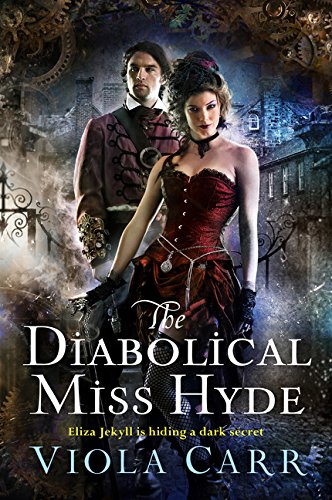
The Diabolical Miss Hyde by Viola Carr –this was the very first book I read in 2020 and I’m still not sure how it ended up on my Kindle (a sale, I’m guessing?). This is a wonderful steampunk mystery starring the daughter(s) of that famous literary pair, and it does some very clever things with point of view. Plus it’s just plain fun.

Ghost Money by Stephen Blackmoore—pretty much every year Stephen ends up on this list and it’s because every year he writes a new Eric Carter book. Honestly, the series was already great and the past three books (this is the most recent) he’s just outdone himself again and again. So pick up all of them, if you haven’t already.

Part of Your Nightmare by Vera Strange a.k.a. Jennifer Brody—this is probably the youngest-aiming book on my list, but Jennifer did a wonderful job of bringing Ursula into the “real” world as she makes yet another deal with a young woman with a dream. Plus, no joke, there’s a scene with a goldfish in this that will creep you out, no matter what age you are.

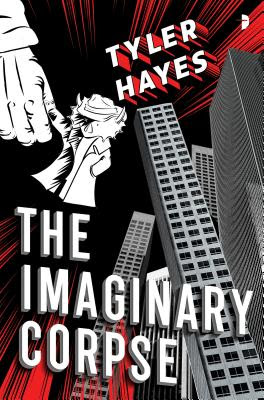
The Imaginary Corpse by Tyler Hayes—the book that answers the question, what happens to imaginary friends when you grow out of them? And the answer, of course, is that some of them become noir detectives. If they were a triceratops named Tippy, anyway. Despite the light premise, this book has a lot to say about trauma and coping and dealing with the bad things. It’s fun and sweet and I liked it a lot.

The Unstoppable Wasp: Built on Hope by Sam Maggs- also a little younger-aiming, Sam’s written an amazing book about Nadia, the newest Wasp in the Marvel Universe. It’s fun and very clever, and (much like the movies) Sam reminds us how friggin’ cool shrinking powers would be for a smart person.

The Oracle Year by Charles Soule—slightly older book, so I’m late on this one. If you don’t already know, it’s about a man who discovers he’s made hundreds of predictions (large and small) for the coming year, and then how he comes to navigate that year as they all start to come true. If you love stories of prophecy and future knowledge, this book is absolutely magnificent.

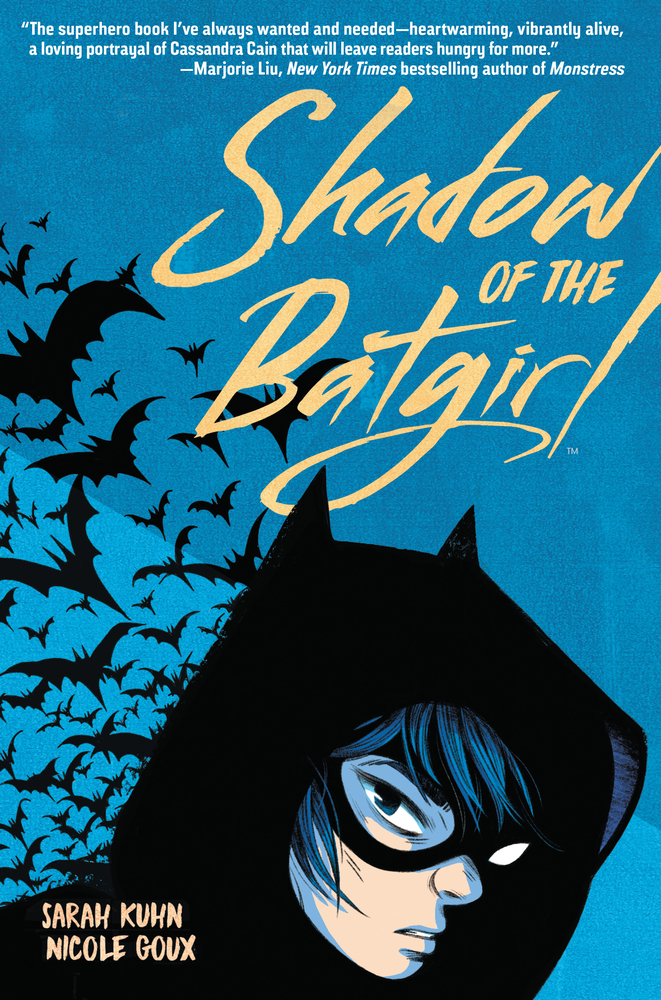
Shadow of the Batgirl by Sarah Kuhn—a reimagining of the Cassandra Cain story, which gives her an origin that’s just as dark, but maybe not as gritty. Raised by an assassin to be the ultimate weapon, she has to decide what she really wants to do with her life. It’s got action, drama, a little romance, and a few laughs (I’m still saying “Be with your sequel!” whenever a cat wants to be somewhere high up). It’s another solid pick for the comic-lover in your life.

Ballistic Kiss by Richard Kadrey—is you haven’t been reading the Sandman Slim books… jeeez, you’re missing out on so much good stuff. Richard Stark was banished to Hell and spent a decade as a living soul in the demonic gladiatorial pits, where he earned the nickname Sandman Slim. Now he’s back in Los Angeles and fighting evil. Or anyone he just doesn’t like. This is the penultimate book in the series and he’s already finished writing the last one, so if you’re one of those people who *sigh* won’t start reading a series until you know it’s “finished”… well, you’ve got no more excuses.

And there you have it. Ten books I really enjoyed. I may add one or two more in the comments depending on when I get done with them. And please feel free to add anything you’ve particularly loved this year down there, too.

Also, I’ll remind you again (shamelessly) of all of my own books you could grab as gifts, plus the Black Friday offer I make every year

Happy Holidays, take care of yourself, be safe, please wear your mask.

And go write.

December 30, 2019 / 1 Comment

Performance Review

Hello, all. Hope the holidays have been good to you so far. I got to play a pleasant Christmas morning game with most of the presents called “Did the Tree Leak Or Is This Cat Pee?” Fortunately nothing was damaged. And we’re pretty sure it was just water. Like… 83% sure.
Anyway…
I had something else planned for the ranty blog but it struck me this is the last week of the year, so I wanted to stick with tradition and talk about what I got done over these past 367 days. It’s not meant as a brag or guideline or anything like that—my pace is my pace, your pace is your pace. Plus, talking with another pro friend at a Christmas party reminded me how slow my pace is compared to some folks. And I know I’m much faster than some.
Really, this is one of those posts that’s more for me than you. It’s me going over the year and seeing how much did I really get done? How much did I write this year? And this involves going through lots of files, checking the blog, searching under the couch cushions for excess words, all of that.

Anyway, here’s some of my noteworthy accomplishments of the year, if such things interest you.

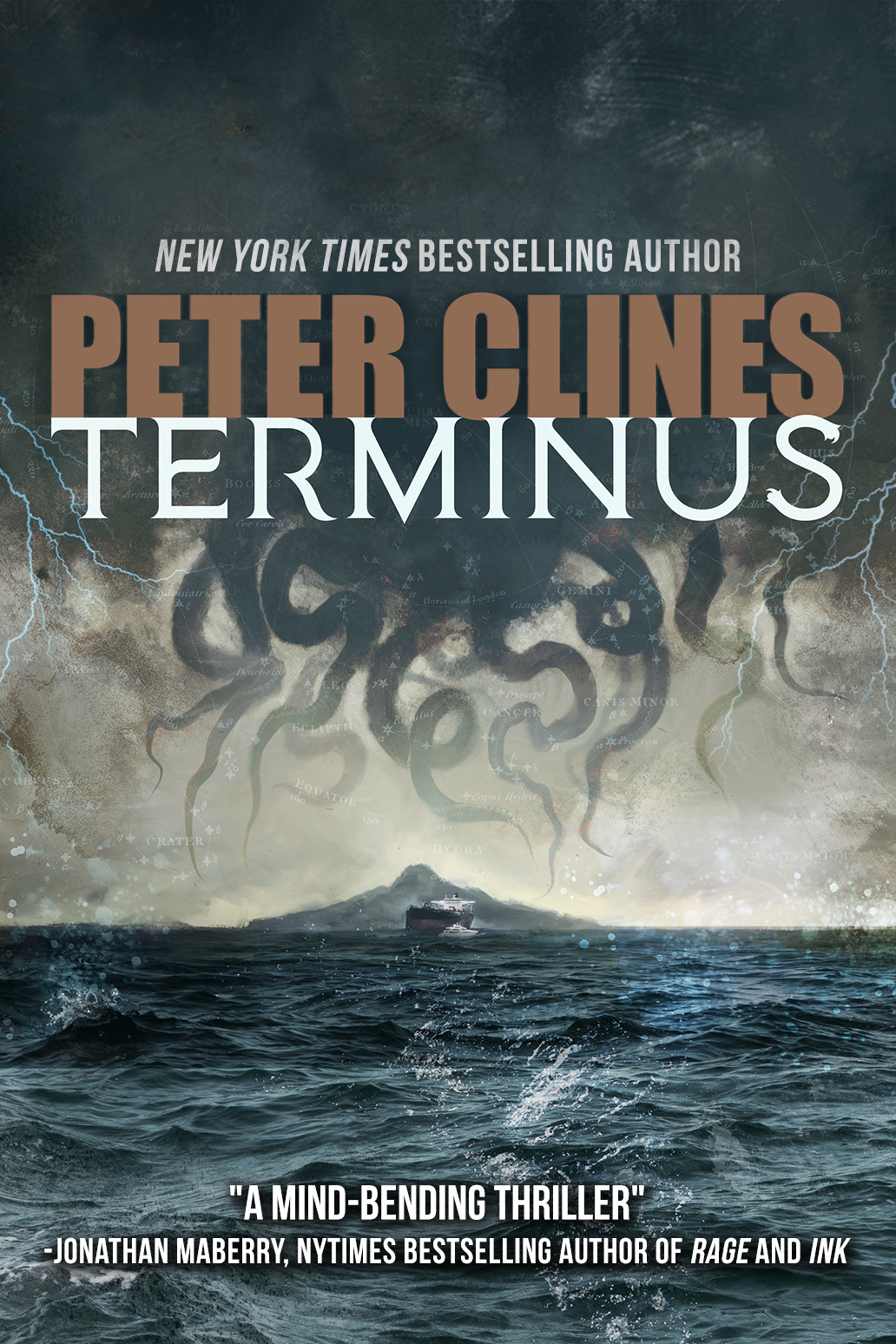
I write the back half of Terminus, the new Audible exclusive that you’re probably going to be seeing (well, hearing) in about four weeks, if all sticks to plan. I was about 45,000 words into it when last year ended and then did another 60K or so. Then there was lots and lots and lots of editing. And copyediting. I think we ended up with a manuscript of about 101,000 words, when the smoke cleared and all the blood was hosed away.

I went back to work on the outlines for another book and ultimately decided… it wasn’t going to happen. I had beginnings I liked. I had endings I liked. But I just couldn’t seem to make them meet in the middle, no matter how I tried it. And after sort of banging pieces together for a week or three (after already working on it for a few weeks before Terminus)… I gave up on it.

I mean, I didn’t burn all my notes or anything. It’s still there wating for me to go back to it. But I’m a big believer that there’s a point where outlining and other forms of prep just become… well, wasted time. At that point I’d spent over two months trying to make the outline work and I’d lost a lot of enthusiasm for the project in the process. So I set it aside and moved on.

Fortunately, another idea had kinda splashed down in my head like an old Apollo capsule, and it seemed really solid. I had a three page outline that made me happy in about as many days and I just… dove in. That was mid-October or so. As I’m writing this, it’s just shy of 50,000 words in. Which I think isn’t bad considering the holidays and we had my parents stay with us for Thanksgiving.

There were also lots of blog posts. Counting this one, there were sixty-seven posts here on the ranty blog this year. In all fairness, I think nine or ten of those were cartoons by Tom Gauld or something similar, but I feel pretty safe saying there was, on average, a new post every single week, most of them around 2000 words or so. That adds up pretty quick.
There were eleven Writers Coffeehouses up in Burbank at Dark Delicacies and maybe another four or five where I filled in down at Mysterious Galaxy in San Diego.

I read a lot, too. Thirty-seven books, if my math is right. Twelve of those were for the dystopian book club at The Last Bookstore. Also a good-sized pile of comics and trade collections. A dozen or so different articles from the Washington Post each week.

And if we want to get silly, there were probably forty or more Saturday geekery rants analyzing bad movies and some of the basic flaws they were tripping over. Sure, that’s Twitter, and it’s kind of my downtime, but it’s still me actively analyzing and critiquing stories

How about you? What did you get done this year? What things could you add to your list of writing accomplishments? Nothing needs to be official or accepted. You didn’t need to earn a minimum amount off it. It’s just stuff you do that you honestly feel contributes to your writing process. How much progress did you make toward your end goal?

What did you get done this year?

And with that, I bid you farewell until next year, when we’ll talk about… well, I’m sure all kinds of things. Is there some particular aspect of writing you’d like to hear me blab on about, or a problem I could possibly help with? Just let me know down in the comments.

Happy New Year. See you again in the far-flung future of 2020.

Until then, go write.

Categories