
September 19, 2019

Revenge! For Wanda!!

Finally! At long last the day has come! Don’t act so surprised—you know what you did and you’ve known it would…

…you don’t? Oh. Well, this makes things a little awkward, doesn’t it?

Look, we’ve all been waiting for this for a while. Revenge. The moment Yakko finally gets his comeuppance for what he did to me and my friends. Today’s the day he learns just how big a mistake that was. He crossed the wrong guy that day.

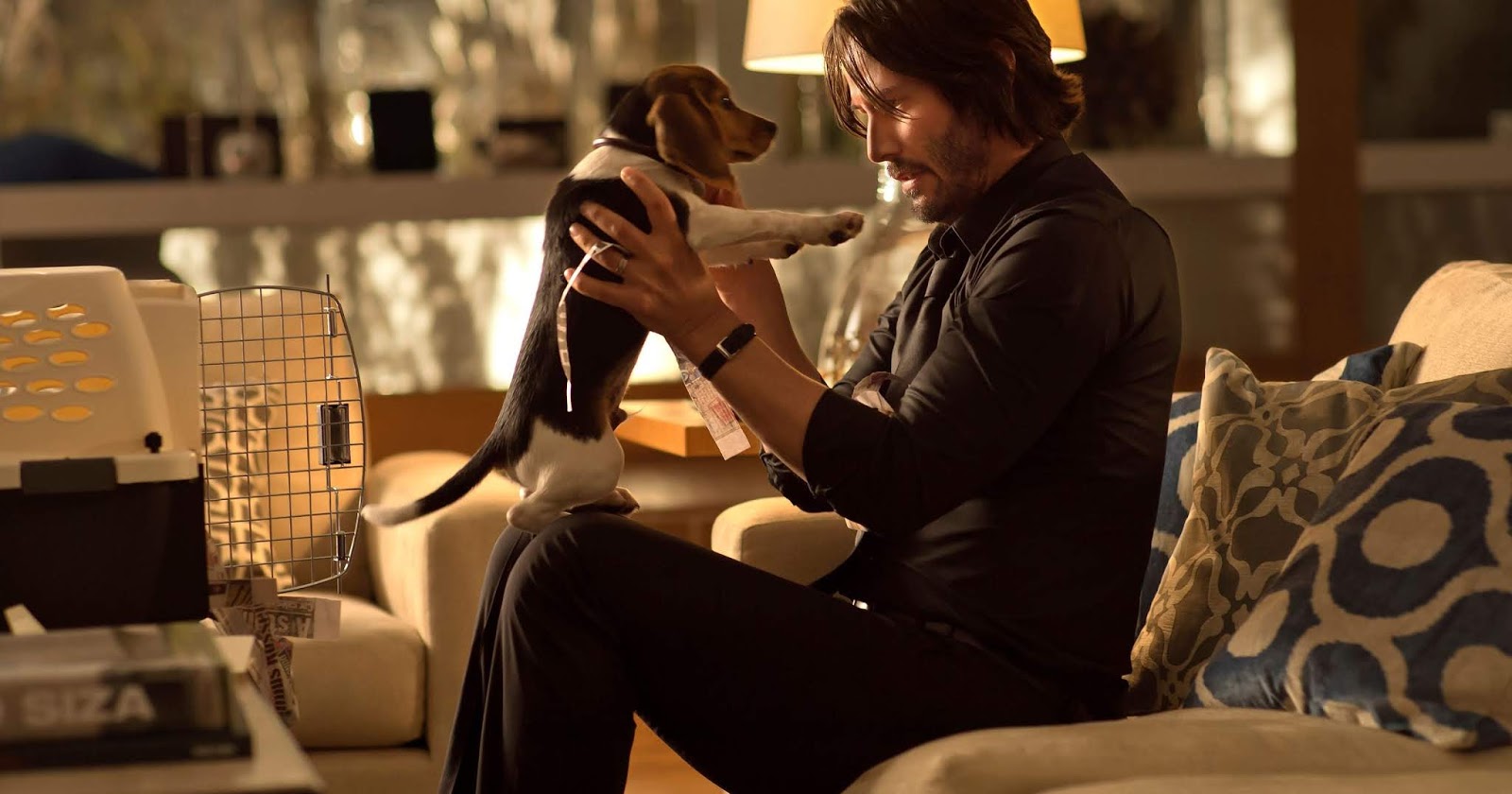
Plus, let’s be honest. Revenge stories can be loads of fun. John Wick. Arya Stark. The Wraith. Okay, probably not the Wraith, for a couple of the reasons I’m going to be talking about here. Thing is, a well done tale of revenge can check off a ton of storytelling boxes and almost everyone is up for it. Seriously. There’s something just so wonderfully cathartic about them.
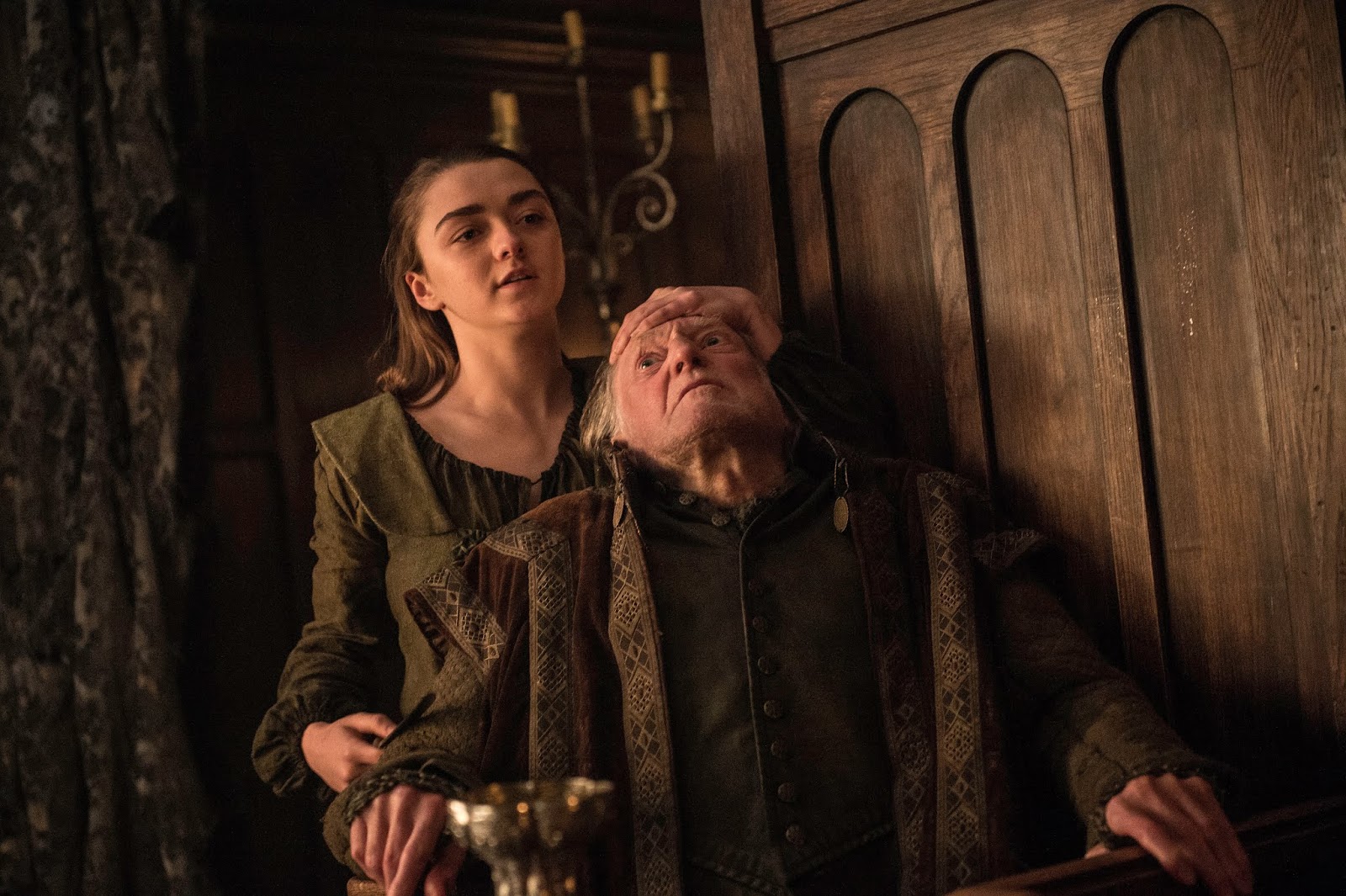
But… by the same token, a good revenge story is kind of a balancing act. Not too much of that, just enough of those, and that base has to be juuussssstperfect if it’s going to support this whole thing. If one of these things is off, my whole story can stumble pretty easily. More than one and… well, I’m probably going to faceplant. Hard.

It struck me that I’ve seen a lot of stories make that faceplant. Sometimes in books, sometimes on screen. Sometimes, while poking around looking for Saturday geekery movies, I come across some things where it’s clear just from the description that they’ve hit the ground hard. So I figured it might be worth going over a few of those key elements to keep in mind. Y’know, before we go out to seek revenge on those who wronged us…

And, as always, this is just me babbling on. There has been no exhaustive study of the canon and there are always going to be exceptions. But I’ve been mulling on this for a while and I feel like it’s a pretty solid checklist.

First off, right at the start, is this something that actually needs revenging? Yeah, we all understand why John Wick goes after the guys who killed his dog. But what if they’d called his dog ugly or stupid? There’s the bully who puts cigarettes out on Wakko’s arms, but also the one who shoots poorly-aimed spitballs in class. Someone can blow up my car, or they can blow up my car with my partner and cats trapped in it. Some of these acts deserve wild, hard-bitten revenge and others…
Well, I mean they’re still bad, but are they really revenge-worthy? Should I really dedicate my life to balancing the scales just because somebody torched my Yaris? Or stole my lunch from the break room fridge? That would seem a little extreme, yes?

In this sense, a revenge story’s a lot like a redemption arc. I need my reader-empathy set to high so I  have an honest sense of how this first, inciting act (ooooh, inciting act–doesn’t that sound all professional)  is going to be viewed by my readers. Will they agree it’s something that requires vengeance?

Second thing is whether or not my character is the person who should be getting revenge. To use an earlier example, if someone kills John Wick’s dog, we completely understand why he goes on his revenge spree. It’s an intensely personal loss for him… but it isn’t for the nice old woman he runs into on the beach sometimes who liked to pet the dog. She might be upset, even angry to hear the news, but it doesn’t make a lot of sense for her to go get revenge, does it?

Revenge is a very personal thing. So the more removed and unconnected my protagonist gets from that actual act, the less it feels like revenge and the more it feels… well, it could be a bunch of things as we get farther away. Maybe Dot hired a hitman to get revenge, so he might be administering the beatdown or pulling the trigger, but for him it’s really just a job. And that police detective obsessed with the case? Well, for her it’s more about justice than vengeance. So revenge tends to stay tight and intimate. Personally, I think it needs to be a family thing, even if you want to take the broader sense of family (in that I can consider my best friends or my teammates “family”).

My third point is very much my own, but it’s also probably the one I feel strongest about here. I think it’s a key part of a revenge story. The person or persons my protagonist is getting revenge against must know why this is happening. Yeah it’s really cool that my heroine’s picking off the folks who killed her family one by one with a sniper rifle. But if they don’t know why it’s happening, who this ruthless killer is… then isn’t this just a random killing spree?

I feel that a big part of a revenge story is that it’s kind of symbiotic, from a storytelling point of view. It’s a relationship between the revenger and the revengee, so to speak, and one sided relationships are always just… well, weird. They need to go both ways. Yes, we want Phoebe to get her revenge, but we also want Yakko to know why she’s doing this. Why is she coming after him? Why is she doing these things? He needs to acknowledge this, one way or another—even if he just dismisses it (“…but I’d do it all again, lady, whoever you are!”).

And the reason for this is that we understand, on some level, that if Yakko doesn’t know why this is happening, then he’s just a victim. Not an innocent victim, no, but still just a victim. It’s the difference between my character seeing their empire torn apart and them knowing why it’s being torn apart.

Which leads me very nicely to my fourth and final point. Revenge can be a messy business. Very messy. Blood is often spilled, property is usually destroyed. And we’re all cool with that. We like seeing people getting what’s coming to them. Maybe even with a little interest.

That’s where it gets tricky. It’s really easy in a revenge story to go too far with the blood spilling and the property damage. And when I do, that’s when my protagonist stops being the hero and becomes a monster in their own right. Yes, we understand why John Wick wants revenge for his dog being killed. But if his response was to go visit the families of everyone involved and kill theirdogs right in front of their kids…? Well, I don’t think most of us would be rooting for him quite as much. Likewise, if Phoebe gets revenge on the guy who killed her husband by… oh sweet jeebus she dissolved him alive in a lye pit? Seriously? And the crane just lowered him a couple inches a day? It took eight and a half days for him to die? I mean, at this point it’s essentially a torture porn story where we’re being asked to root for the killer.

In a lot of ways, revenge is like something I’ve talked about before—the bully balance. Once those scales tip, our mood is going to shift, too. We stop feeling good about the revenge and we start feeling sympathy for the people they’re exacting revenge on. Again, they become the victim and my protagonist becomes the aggressor. Which alters… everything. The whole tone of my story will change, and a lot of things will be questioned. Not in a good way.
Y’see Timmy, in the end a revenge story is all about the characters. Why are they doing this? How are they doing it? Are they managing to walk that tightrope between being a hero and being a monster?  Or have they fallen off it…?

Next time… I think I want to talk about something we usually don’t talk about.

Until then… go write.
June 27, 2019 / 2 Comments

Investment Advice

This might be a weird, kinda rambly one. Also on the shorter side because I’m really trying to get through all these manuscript notes before my editor goes on vacation.

Also, if you came here for some reason expecting financial advice… seriously, how did you end up here? I’m really curious. But, no, not what I’m going to be blabbering on about. Buy low. Sell high. Diamonds are inherently worthless. Go green.

That’s all I’ve got for you on that front.

What I want to talk to you about is investment in stories. One issue I see a lot is a sort of general assumption that we’ll just care about the characters in stories. This is a story about Dot. Dot’s a person. You care about people. Hey, look you’re invested in my story.
Except Dot isn’t a person. She’s a fictional character. I made her up. You know she’s not real. Heck, you know she’s not even a character.  She’s just a name, even if you didn’t really acknowledge it until I just pointed it out now. Seriously, what color are her eyes?  What’s she wearing?  How tall is she?  And she’s a name I use all the time for these generic examples, one I lifted from a cartoon I watched all the time back in my twenties.

That’s why you kinda skimmed past her and why you’re waiting for me to get on with whatever hints I’m going to offer, right?  You’ve got no reason to linger on her. She’s barely a placeholder.  She’s punctuation in a vaguely human form.

Jump back. That’s a great way to think of it. The lingering. When we keep thinking about the characters or the story after we’re done reading. We wonder what happens to them next. We try to figure out the puzzle. We hope Wakko gets what’s coming to him. Because we all know he deserves what’s coming.

That’s investment.  These characters or stories are sticking around.  They’ve earned a few hours or days or maybe years of free rent in my head. Enough to make me keep going back to the story to see how things turn out, and maybe even enough that I find that storyteller and beg them for more.

We get investment through characters. Ones we can, on some level, relate to. Characters we can believe in within the world of this story. And, yeah, ones we like reading or watching stories about

When we connect to characters this way, they become, to some extent, real people. We project onto them, and so they get bigger than the page, bigger than the screen. I may be off base, but I think it’s the moment when we start thinking of them in terms of ourselves. Maybe we empathize with how they feel about something, or remember what it was like to be in a similar situation. Maybe it’s agreeing with their stance or envying their accomplishment. It might even be a wish-fulfillment thing we know we’d never really do—I wish I had the guts to quit like that. Or the ability to take down a worldwide crime syndicate because one of those bastards killed my dog.
That’s investment. That’s us letting these characters in the same way we’d let a person into our lives. We think about them. We want to know how they’re doing. We consider their existence past that bit we’re told.  We actively worry about them, get excited for them, want them to win.

Y’see, Timmy, without that investment in the characters and the story we’re just… reading.  Watching. Observing dispassionately from a distance.  The only connection is eye contact, and the minute that’s broken we’ve got nothing.
If any of you follow along during my Saturday geekery movie sessions, there’s a phrase you’ve probably seen me use once or thrice or every other movie.  “Who am I supposed to be rooting for?”  So many of these stories push characters who just aren’t likable or relatable in any way.  They’re obnoxious.  They’re cruel. They’re ignorant.  They’re sexist. They’re just plain annoying.  And they’re supposed to be the hero.

Because of this, it’s tough to get invested in these stories. The characters are literally pushing me away from them.  And if I keep watching under these conditions, well…it’s easier to focus on the flaws because there’s really nothing else to focus on. I mean, these movies are rarely known for their top-notch special effects.

I should ask myself a few questions as I get started.  Why should someone be invested in my story? What am I offering?  What’s here that my readers are going to like or relate to?  Are they going to believe in my characters… or roll their eyes at them?

Next time…

Oh, wow. Next time’s the Fourth of July. I’m going to be eating grill-cooked food and playing with little toy soldiers and just possibly enjoying a beverage or two. So no post next Thursday.

Maybe on Wednesday I’ll talk about computers a bit.

Until then, go write.

February 13, 2019 / 1 Comment

The Talk

           I’m posting this one a bit early because… well, hopefully you’ve all got other plans for tomorrow.  I know I do.  Alita: BattleAngel is finally out.  And also some book about zombies on the moon…
            Oh, yeah, and it’s Valentine’s Day tomorrow.  With all the fun activities we associate with said holiday.  And that’s kinda what I wanted to talk to you about…
            Look, you’re getting to that certain point in your writing career.  Your voice is developing.  Your body is changing.  Your facial hair is growing out nice and thick, which is probably a big change for most of you women.
            Anyway, I figured it’s time we sat down and talk about… well…
            Writing sex scenes.
            Yeah, this is going to be a little awkward for all of us.
            Like sex itself, a lot of this is going to come down to our own personal preferences, comfort zones, and what works in a given situation.  As such, it’s going to be really tough to offer any specific advice about when and where and how these moments should happen in your book.  I’ve tossed out some general suggestions in the past if you really want them.
            What I wanted to talk about here is more of the act itself, so to speak.  Writing sex scenes is a tricky skill to master.  It’s a constant balancing act of too much and too little, exciting the reader or maybe horrifying them, and it’s ridiculously easy to make people roll their eyes (not in the good way).
            So here are three big things I think should be in mind when writing a sex scene.
            Firstis that we don’t always need to show sex happening in order for sex to have happened.  Subtlety and nuance are a huge part of sexiness—on the page and in real life.  If we know Wakko and Phoebe sneak off to the supply closet for half an hour during the office party, we can make an educated guess what they’re probably doing in there.  Especially with the appropriate context around them sneaking off and how they sound/look/act when they come back. 
            So depending on the overall tone of my story, maybe I don’t actually need to write out my sex scene—I can just let my reader fill in the blanks themselves.  And again, like so many well-done subtle things, this can end up being much, much sexier than actually showing stuff.  As an artist friend of mine once pointed out, “nudity isn’t sexy.  It’s what you don’t see that gets you turned on.”
            There is one small pitfall to doing things this way.  If I’m too subtle, people might not get what I’m implying.  Their assumptions may go much too far, not far enough, or maybe end up on that awkward balancing point where they try to figure out what just happened.  Or if anything happened.  I don’t want to knock my readers out of the story with a confusing “did they or didn’t they”—unless that was the whole point of my fade to black.
            Second, if I’m definitely going to show my sex scene, I need to remember that sex is… well, action.  I don’t mean it needs to be wildly enthusiastic, just that this is a case of actual, physical things happening.  And any sort of action can get boring fast if it’s written poorly.
            I’m a big believer that most action shouldn’t take longer to read then it would take to happen, especially when we’re in the moment.  A punch shouldn’t take three paragraphs to describe.  A car crash probably shouldn’t take two pages unless it’s some massive, seventeen-car pileup
            Likewise, if I’m telling you these two people are ripping each others clothes off, but it’s over six pages of description…  you’re probably going to start skimming.  And that’s never good.  I don’t want to slow down action—any kind of action—by stretching it out with too much description.
            And talking about describing all that action…
            Third,if we’re going to be writing things out, brings us back to personal taste.  I think the catch with explicit sex scenes is they essentially become porn.  Porn, as a friend from work once pointed out, is when we see everything.  And after a certain point, that’s pretty much exactly what we’re talking about with any written-out sex scene.
            And some people like porn, some don’t.  No judgment either way.  That’s just a simple truth.
            But there’s more to it than that.  Even the people who do like porn don’t all like the same kind of porn.  This particular act really turns me on, but you find it kind of quaint and almost routine.  That might weird me out, this might be a complete non-starter for you, and that… okay, that seriously disturbs both of us on a number of levels.  So it’s a pretty safe bet that the more explicit/niche my sex scene becomes, the less  people it’s going to appeal to.  And the more people it’s going to repulse.
            Y’see Timmy, this is where empathy is going to be really important, and also a very clear, honest sense of who my audience is.  The people who pick up a thriller aren’t expecting the same kind of sex scenes as the folks who buy romance novels, and I’m thinking neither of them are expecting five pages of hardcore, strap-on orgy action.
            And if that last sentence made you a bit squeamish… you get my point.
            So go forth and write your sexy moments.  But think about if you really need them.  And how they’re paced.  And who you’re writing them for.    
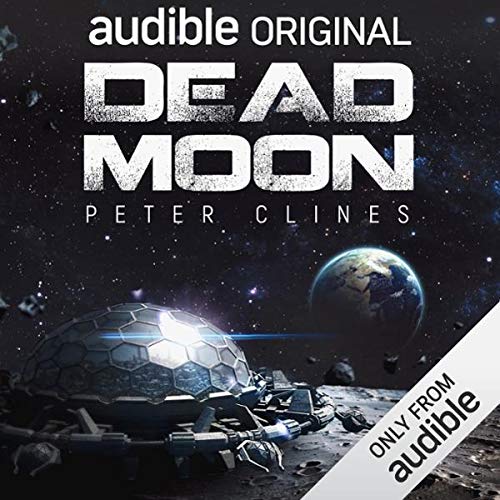
            Hey, speaking of sexy things, I’ve got a new book out tomorrow, exclusively through Audible.  Have I mentioned that recently?  Dead Moon is a fun little zombie story set… well, you can guess where.  And it’s also set in the Threshold universe, so there may be some other things in there that appeal to a few of you.  Please check it out so I can keep buying cat food and rum.
            Next time…
            Well, okay, look.  I’m in the last few weeks of finishing up another Threshold book, so I don’t have a lot of time.  Truth is, I’m probably going to take the next week or two off to focus on that.  If you want to use this time to toss out a few suggestions for thing you’d like me to rant about, that’d be fantastic (thanks in advance).
            And one way or another sometime very soon, I’ll be revisiting the whole outlining thing.
            Until then, go write.
            Happy Valentine’s Day.
September 14, 2018

A Little Context

Wow. A wild week with Dragon Con. And then a just as wild but far less fun week on the floor of the game room when I threw my back out the day after getting home. Just flopped there between the boxes and the brand-new couch I couldn’t make it up on to…

But I’m okay now. Well, much better… 80-85%.

I’m still in the process of moving into my new place.  Yeah, I’m going to keep talking about this for ages. And milking it for useful analogies.

I’m guessing most of you have moved, and you know how it’s not just about that one day. It’s a whole ongoing process—packing up there and spreading back out here. I mean, we’re here now, but there are still maybe twenty or thirty boxes scattered through different rooms, and we’ve kinda developed unpacking fatigue. That’s not even counting the library.

We’re also discovering that some of our stuff is just… well, bad, now. Things are in new configurations and combinations and some of them just don’t work. They look kinda weird or ugly. Sometimes, they actually don’t function correctly anymore. This shelf was short enough to fit well below my old office window, but not this one. Which leaves me with nowhere to put the printer.

We’ve got a fair amount of stuff that worked there but doesn’t work here. So it’s probably getting replaced. Which means more weekends putting furniture together in my future…

Funny thing is, this related to something I wanted to talk about.

What a coincidence, right?

I read a lot of books and watch a lot of movies. I take in a lot of storytelling, just on a week-to-week basis. And a common thing I see is people copying a beat or a character moment or some kind of set-up.

To be clear, I’m not taking about plagiarism. While there are some blatant rip-offs out there, and books that try to capitalize off other books, that’s not what I want to talk about here. Those folks have much bigger issues to deal with than we have time and space to discuss…

What I’m talking about is when people are using a moment they saw in a previous story and trying to get the same emotional resonance with the reader (or audience) as it did in that other tale. A key reveal at just the right moment. A fervent declaration of love (or at least lust).

And they accomplish this by copying that original story beat as close as they can.

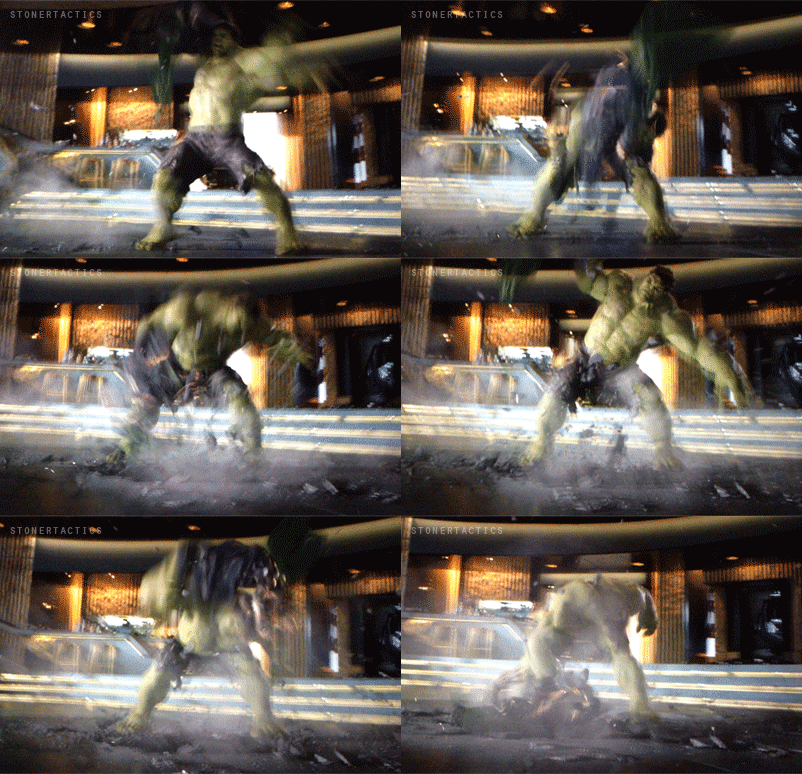
Remember when the Hulk beat the crap out of Loki in The Avengers?  nd then did the exact same thing to Thor in Ragnarok? Funny as hell both times, right? 

So now let’s picture an adult man doing that with a baby. Holding it by one leg, swinging it up over his shoulder, and slamming it face-first into the ground two or three times. That should be funny, too, right?

No, of course not. Hopefully you were all cringing a bit just at the thought of that. It’d be nightmarish to watch, and for someone to actually think that it’d be funny…?

Again these shelves worked in my old office, but not my new one. Everything around them is different. The windows.  The angles. The carpet. The colors.

How about this one– watching someone undress can be sexy as all hell. Unbuttoning shirts. Sliding out of pants. Maybe just tearing open a coat if you’re both impatient.

But in a different context, those very same actions can be mundane, annoying, or depressing. Heck, even kinda creepy.

Yeah, someone doing that exact same little striptease can be creepy as hell. Because if I’m seeing it from outside the bedroom window, maybe with some leaves in the way, while I hear that rough breathing… Hey, we all know what that handheld POV shot means. We’ve seen horror movies. There’s a psychopath out there in the bushes watching that person strip! They’re probably wearing a weird mask and everything.

I mean, assuming the director’s not just copying this shot and doesn’t understand what it meant in other films…

And this may sound like extreme examples—talking about killing babies and stripteases—but it holds for pretty much anything. Seeing a building collapse can be terrifying.  Or exciting. Or frustrating. Heck, if I do demolition for a living it could be boring.

Y’see, Timmy, the problem with all of these examples is that sometimes people try to copy something they’ve seen in other stories without understanding why it worked in those stories. Yes it was exciting/scary/titillating/romantic over there, but that was over there in a certain context. The reaction it created isn’t something inherent to the elements themselves. It was a result of the combining narrative voice and character development and plot structure that led up to them.

Think about that striptease again. Think of all the different ways it could be interpreted by someone. It depends on when they see it. Where they’re seeing it from. How they know the other person. How that person knows them.

Think of all the different ways it could be interpreted by an audience.

And if I can’t think of any other ways… that might be part of the problem, too.

Next time, I’d like to bounce an idea off you.

Until then… go write.

            I’m going to IKEA again.  This time for bookshelves.

Categories