November 15, 2019

The Big Lead-Up To…

Hahahhaaa… okay, so I had this post that I’d been working on for a while, but I never got it quite right and I kept pushing it back and pushing it back. And it just posted because, jeeez, mid-November? I won’t have to worry about that for a while.

Time is funny. Anyway… what I wanted to talk to you about.

A little earlier this year, I set down a book without finishing it. Might not sound big to you, but it’s big for me. It’s really rare for me to pick a book up and not finish it.  Don’t think it’s happened in over a year, easy, and I read around forty or fifty books a year, on average.

One of the big reasons I put it down is… well, to be honest, I’ve got no idea what’s going on. I’m more than halfway through and the plot in the book bears no resemblance to the one described on the back of the book.  Or anything  else really. When I set it down the other night, I described it to my partner as “watching a crime scene investigation where I don’t know who any of the people are, what their jobs are, what crime was committed, or what sort of legal system this is.”  There were things happening, but I had no idea what any of it meant or implied. It was just… stuff happening

Okay, I’m lying, I did finish the book. I have a problem,okay? I went back and read the last 117 pages and it went… I mean, pretty much just like I thought. We finally had the big reveal (which was the story described on the back of the book) and then had a minor twist to add a tiny bit more flavor.
Anyway, I thought it might be worth addressing this—the book’s problem, not my own compulsive need to consume bad things—because it’s something I’ve seen before. It’s an unusual issue because it’s a story problem I can only fully identify in retrospect.

So, quick recap on reveals and twists. I’ve talked about them here before a few times, so I don’t think we need more than that. I want to get to the heart of this particular issue.

The reveal is pretty much the standard way we get information across to our readers. New facts are presented to them, and depending on exactly what it is and what kind of ramifications it could have, these facts can have different levels of impact. We might just nod and accept it, or maybe it’ll have a ton of weight and impact.

A twist is a very specific type of reveal. Again, talked about them at length before, but the short form is that twists are information that the characters and the reader didn’t know was out there, and (importantly) this information forces us to look at a lot of previous facts in a new light. It’s also worth noting that twists almost always come later in my story because I need to establish those facts that need twisting. Make sense?

It’s the “later in the story” aspect of this I wanted to talk about. The issue I’ve been seeing is that a story will have a later twist, but it doesn’t establish any of the things its (hypothetically) twisting. I just tell you “Yakko is a redhead!” and expect that to have some kind of emotional or narrative weight. These stories try to tell us X is the reallyimportant thing, but they’d never really gone out of their way to convince anything else was important.
This is even worse in longer-form stories like novels or movies. We essentially go through two thirds or more of the story to get to “the good stuff,” but there’s nothing supporting it. There’s just been a lot of stalling and not talking about things until we get to that point.
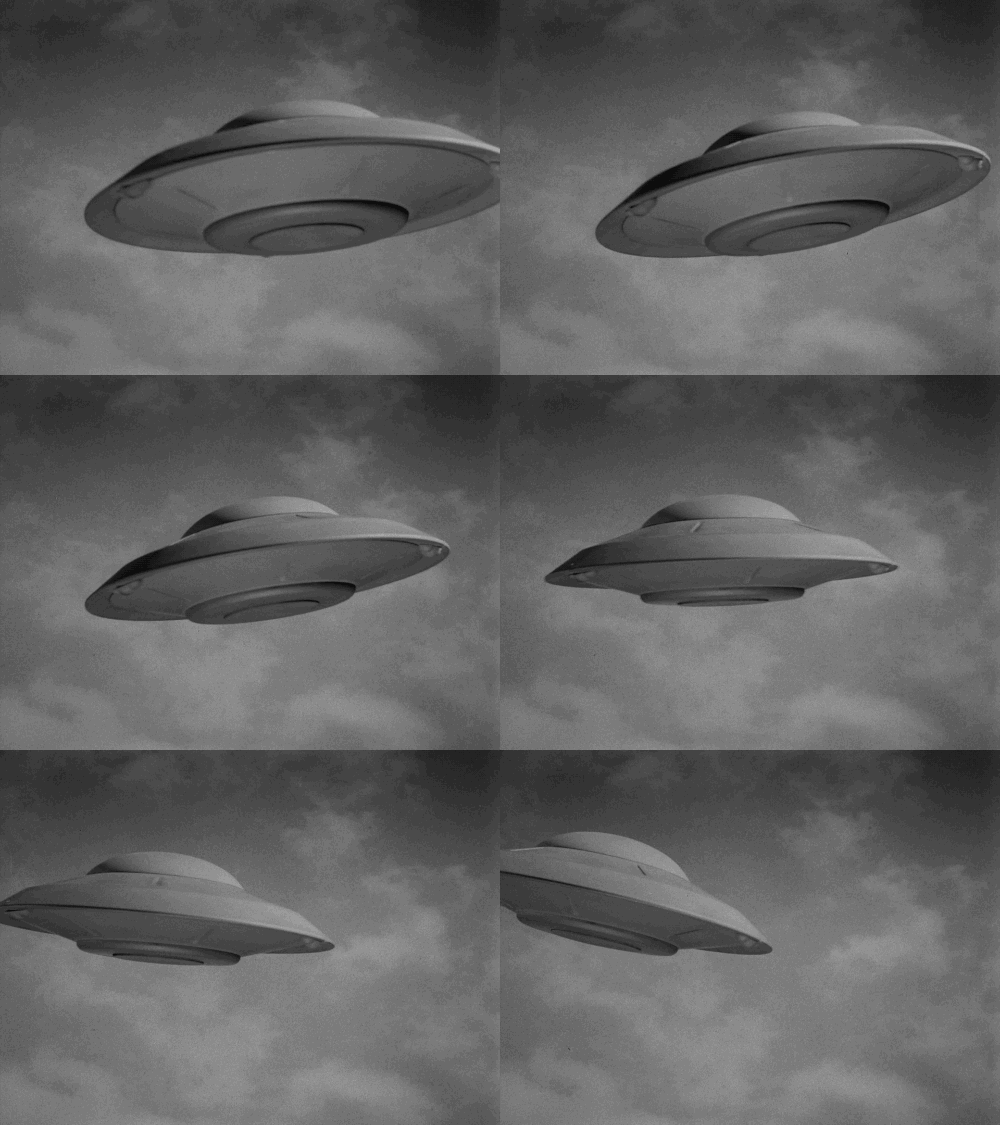
Like… okay, imagine an old Twilight Zone episode where we see a spaceship land on a planet and they get out, wander around, and then maybe find a sign that basically says “hey, losers, you’ve been on Earth this whole time.” You know this episode, right? Is it even an actual episode? You know this archetypal story, right?
But here’s the thing—these stories have a lot more than that. They have assumptions and discussions about which planet this is and what did or didn’t happen here. Maybe even about who the astronauts are. We need to have strong reason to think this isn’t Earth for that twist to have any impact. Make sense? Up until that reveal everyone should be acting like it’s an alien world. Yeah, we’re going to find out the thing scratching at the door’s  just a beagle. But for now, before we get to that reveal… it’s a hideous alien monster. No, it can’t really hurt my characters, but they don’t know that. And they need to act accordingly.
I think a lot of this tends to come down to… well, not having an actual story. There’s nothing going on except that big reveal, so all my characters just sort of stand around twiddling their thumbs until we get to it. I’ve been so focused on what happens after the reveal that I haven’t considered what everyone’s supposed to be thinking or doingbefore that moment.
Just to be clear—I’m not saying mid-book twists aren’t cool. They’re super-cool.  They’re fantastic and I love ‘em. But y’see Timmy, there has to be a story before we get there.  Even if it’s all a bunch of misconceptions or faulty beliefs—my characters have to be doing something somewhat motivated in a world we can at least vaguely understand.
Have you read (or maybe seen) Wayward Pines? It was a fun series by Blake Crouch that became a pretty good television series. And it had a pretty solid twist quite a ways into it. A really perfect, made-you-reconsider-everything twist. But the main character, Ethan, is still doing stuff before then. He makes his own assessments of the small town he finds himself in, based off all the information he has, and he acts. He does things. Ethan treats the world he’s in like… well, the world he’s in, and not just a glorified waiting room until the “real” story begins.
I can have the cool twist. I can have a great reveal. But these things don’t stand alone. They need to be carefully woven into my story. There needs to be elements supporting them and guiding my readers to them.

Because nobody wants to read about a bunch of people standing around waiting for the big reveal.

Next time… well, we haven’t talked about how stupid I am for a while now.

Until then, go write.

November 7, 2019

Initial Incisions

Hey, so I know last time I said I was going to talk about twists, but…
This past weekend I subbed in for Jonathan Maberry at the San Diego Writers Coffeehouse and we talked about… well, all sorts of stuff. NaNoWriMo. Agents. Editing. One interesting question that came up was how do you edit? Which is a fair point. I’ve talked about editing here a bunch of times, but not anywhere near as much about what it is or how we do it.
First off, we need to be clear that there are different types of editing. There’s the type we’re going to talk about now (which I’m just going to call initial editing) but there’s also story editing and copyediting. I’ve talked about those a bit before, so I won’t go into them two much now. I will note that they exist and that all of these are very different things. So when we talk about editing—if we’re offering it, asking for it, or just doing it ourselves–it’s kind of important we’re clear what we mean.

What we were talking about at the Coffeehouse, and what I shall blather on about here, is what I’m going to call initial editing. There may be a better, more generally-recognized term for it, but that’s what I’m going with here. Really, I should’ve been calling it something like this for ages now because, like I said, they’re all different and I should’ve been as clear as possible.

Anyway…

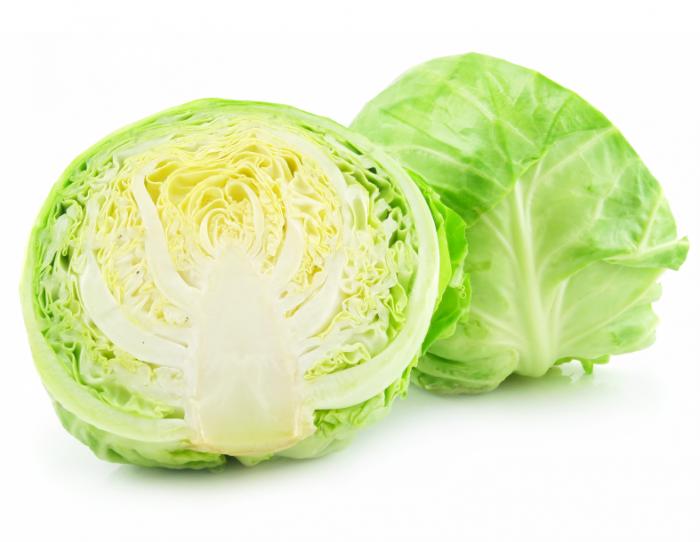
This is the first real attempt at trimming and tightening my manuscript. If I was cooking, this would be the trimming the fat stage. Like, literally, trimming the fat. I can have a nice cut of meat (or a good head of cabbage, if you prefer) but that still doesn’t mean I’m going to use 100% of it when I cook. I’ll cut off that layer of fat and maybe that piece of gristle. I’ll peel off those outer, kinda banged up leaves of cabbage, but also trim them away from the really hard, solid stem at the core of the head. This is when I take thing that’s good or nice and make it into something great—something I want to impress other people with.

For our manuscripts, right off the bat this is going to mean having an open mind and a willingness to accept some possibly uncomfortable facts. If I refuse to believe there’s anything wrong, it’s really tough to fix anything. When I finally get to that first solid draft—usually the second draft, for me—it means things are very likely a little bloated with excess words Things that aren’t necessarily wrong, but my manuscript will almost definitely be stronger and cleaner without them.
I’m just going to list some words and phrases to keep an eye out for. To be very clear, this list isn’t complete and it definitely isn’t the end-all-be-all of things you should absolutely always delete from your manuscript. But I think it’s a good starting point, and as we go through maybe you’ll start to feel a pattern, a sense of the kind of stuff you should be looking for when you pull out the knives and start cutting. So fire up your word processor (or your blue pencil, if you’re hardcore old-school), find your Find function, and start looking for…

Adverbs and Adjectives

Let’s just start with the big ones. A lot of folks have very strong opinions on adjectives, and especially on adverbs. Man, they hate adverbs. Some people think all adverbs should be ripped out of your manuscript while other people think all adverbs should be burned alive in your manuscript. And some people say adverbs are wonderful things and we should cultivate them like clover on a low-water front lawn.
I’m not a fan of adverbs. They have their uses, absolutely, and I’m not saying I never use them, but I also know a lot of the time they’re something I stick in quick to modify a verb rather than spending a few seconds to find the right verb. It’s an easy habit to get into, because pretty much every sentence is going to have a verb and I can pause for five seconds here, ten seconds there, and suddenly that’s an extra minute I spent on that paragraph. Five or six minutes on this page. It’s a drag we can feel, so it’s not uncommon to fall back on our first choice. Which is why people slowly run or quickly run or clumsily run when they could be ambling, dashing, or stumbling. A good rule of thumb I got years back that I try to follow is four adjectives per page, one adverb.
That—
That can be a killer. There are times when it’s necessary for comprehension, or maybe even grammatically required depending on how I’ve structured things, but on a guess I’d say 75-80% of them are unnecessary in a story. It’s not uncommon for me to delete around 200 thats during my initial editing, if not more. Think about it. That’s almost an entire, actual page cut from my manuscript just by focusing on one word.

Somewhat Syndrome—
An editor friend of mine came up with this a while back. It’s from a bad habit I had of modifying, well, everything. Even in a loose third person POV, it’d seem odd for someone to look across a room and say “Yakko was six-foot-two and weighed one hundred-ninety-five pounds.” It just feels unnaturally accurate, doesn’t it? Sure, some characters might have that sort of precision, but not many. So I’d soften it up a bit. “Yakko was somewhere around six-foot-two and weighed maybe one-hundred-ninety-five pounds or so.”

Over the years I’ve come to add a few other words to this list, but for starters just try looking for things like somewhat, about, around, maybe, might, sort of, a bit, and kind of.  I’ll also toss out that I saw a similar list from Benjamin Dryer recently and he suggested cutting very, rather, really, quite, so, of course, and in fact.

Heck, while we’re at it, let’s mention appeared to beand its evil step-siblings seemed to be and looked like. The thing is, these phrases aren’t supposed to be used alone. They’re almost always part of a literary construction where the second half of that structure is either an implied or actual contradiction.  So when I’m saying “Yakko seemed to be six-foot-two,” what I’m really saying is “Yakko seemed to be six-foot-two but really he was barely five eleven.  And what I meant to say all along was just “Yakko was six-foot-two.”  So I should probably triple-check these and make sure I’m not accidentally establishing a contradiction I don’t mean to be (and wasting a bunch of words in the process).

Looking back over this list, it’s probably worth mentioning that, yeah, when I delete some of these words and phrases it might mean I need to spend more time rewriting other things so my dialogue or narration still makes sense. Sorry. It happens. Probably want to make sure I also don’t just repeat the problem. It’s all part of the normal editing process.

And again, I want to stress–these words aren’t always wrong. I can use multiple adverbs on the same page. I can say someone’s around six-foot-two. There are totally valid reasons for these things to happen. But the whole point of this initial editing is to look at how often I’m using these words and patterns. And to figure out if they’re really necessary.
Now, these aren’t the only things I tend to look for in this initial editing pass. There might be (will probably be) plot threads, descriptions, characters, and more that can use a little trimming. If any of you like, I could talk about editing those, too. But I think for now, this is long enough. We’ve all got things to do.

Speaking of which, to bring things full circle, this Sunday at noon is the Los Angeles Writers Coffeehouse at Dark Delicacies in Burbank. Come on by and talk with us about writing and publishing and all that sort of stuff. Or just lurk in the background and browse the store while you listen in. Either was, I’m bringing little danishes.

And next time, yes, twists. Finally. After that it’s up to you.

Until then, go write.
October 31, 2019

Ultimate NaNoWriMo Tip

Hey! I know it’s the day of costumes and candy, scary movies and fun photos, and all that sort of stuff. Writing’s probably the last thing on your mind right now. Heck, it might be sometime Friday afternoon when you read this.

Which, oddly enough, is what I wanted to talk about real quick.

As some of you are probably aware, Friday’s also the first day of November, which means it’s the first day of National Novel Writing Month.  People sit down at their keyboard, scoop up a legal pad, put a new sheet of paper in their old vintage typewriter, jam that USB16 plug into the hexadecimal cerebral port behind your left ear, and try to get an entire novel written—start to finish—in just 30 days.
Are you one of said people? Maybe you have been in the past. Maybe this is your first time. It’s my first time. Yeah, I’m going to try to get my current work in progress finished this month. Granted, I’m about 25K into it already, but my hope is to hit at least 100K this month. Yeah, even with the parents coming out for Thanksgiving.

(this will also be my convenient excuse later)

Anyway, lots of people are tossing out NaNoWriMo tips right now and I wanted to offer my own good news/bad news advice for you. More of  a mindset thing. I know it helped me a lot when I finally figured it out.

The bad news is this isn’t going to be a book. Not even close. See, the name NaNoWriMo is kinda deceptive, because we’re not really going to be writing a novel this month. We’re writing the first draft of a novel. Just a first draft. And, as we’ve discussed here a few times, there’s a big difference between a first draft and a polished, completed manuscript. 

And really, we’re writing a rushed first draft.  It’s going to have plot holes and dropped threads and factual errors and punctuation mistakes and typos.  Sooooooo many typos.  Incredibly embarrassing ones. It absolutely will, trust me.  Having a finished first draft is a fantastic starting point, but it’s going to need a lot more work after December first. No question about it.
Very sorry if you had any great plans about this finding an agent before Christmas. I’ve actually heard stories about agents who… well, I shouldn’t say they dread the first weeks of December. Or that they all physically cringe when they see “NaNoWriMo” in the introductory paragraph of the cover letter. But I think it’s fair to say they go into these things with a few strong opinions already formed.

Now, the good news is… well, it’s a first draft. We can stop worrying if an agent or an editor is going to like it because they’re never going to see it.  This draft is just for us to do whatever we want with.  I shouldn’t spend a minute second-guessing what those other people will want to see.  They may see later drafts, sure, but what we’re doing right now? This is just a big bowl full of cake batter. It’s got potential, sure, and it’s kinda yummy as is, but the truth is this isn’t even halfway through the process. There’s so much more that needs to happen before it’s ready to serve to anyone.

So forget ‘em.  Right now we can crank up the music and let our imaginations run wild.  We can do whatever we want.  We can tell our story.  We can drop all expectations and inhibitions and just write. Feel free to mess up, to use the wrong word, to make drastic changes, to leave things blank or marked [FIX THIS LATER]. Don’t worry about critics or agents or book covers or any of that

Seriously. NaNoWriMo is about the first draft so be selfish. Make it all about you and what you want to do. This is, as the youths say, the “dance like nobody’s watching” part of the process, so dance your ass off.  Hemingway said write drunk, edit sober, and well… we shouldn’t be doing a lot of editing this month. Let your creativity off the leash, eat nothing but corn chips, drink nothing but whiskey, run naked in the park, and don’t worry about anyone else and what they may think.  Do what you want to do with this one.  Do anything, free of worry or expectation.  Because this is just a first draft.
Also, don’t actually run naked in the park. You’ll probably get arrested, and that’s going to eat up a big chunk of your writing time.  Plus it’ll end up on YouTube and let’s be honest… unless you’re in really good shape that’s not going to help your career, either.
Although these days, who knows. Dad bod is kinda in with some folks.

You know what? If running naked in the park is part of your process, go for it. You do you. Tell the police I said it was okay.

Anyway, that’s my big NaNoWriMo tip for you.

Next time, I’d like to talk about twists. Really, about what happens before them.

Until then, go write.
October 28, 2019 / 1 Comment

Zombie Love

Hey, look! It’s even more bonus content! What the hell? This is turning into one of those blogs where there are semi-regular posts.

Hahahaa no it’s not. I’m just going to be really busy in November (for a couple of reasons) so I wanted to give you some extra stuff now while I had time. Plus, hey, it’s Halloween and I can always blather on about this sort of stuff a bit more. So everybody wins.

As a lot of you know, I worked on film crews for a lot of years, and then I wrote about filmmaking for another five or six years after that (there was a bit of overlap). This meant I got to interview a lot of screenwriters and writer-directors about their different projects, and some of them leaned into the spirit of this particular holiday season. And I still had some more of those sitting around so I figured, hey, why not share another one.
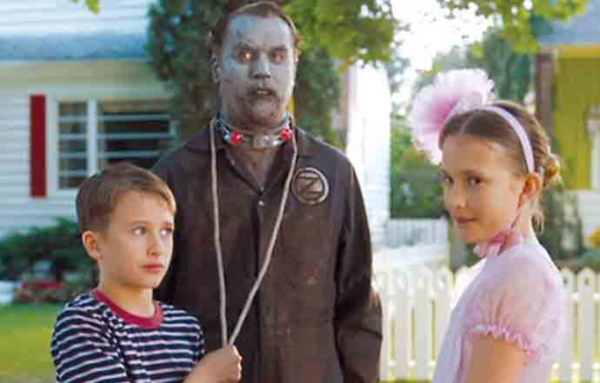
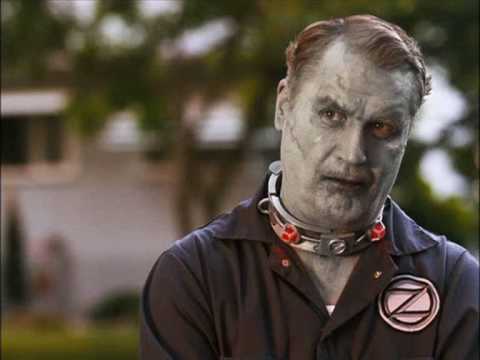
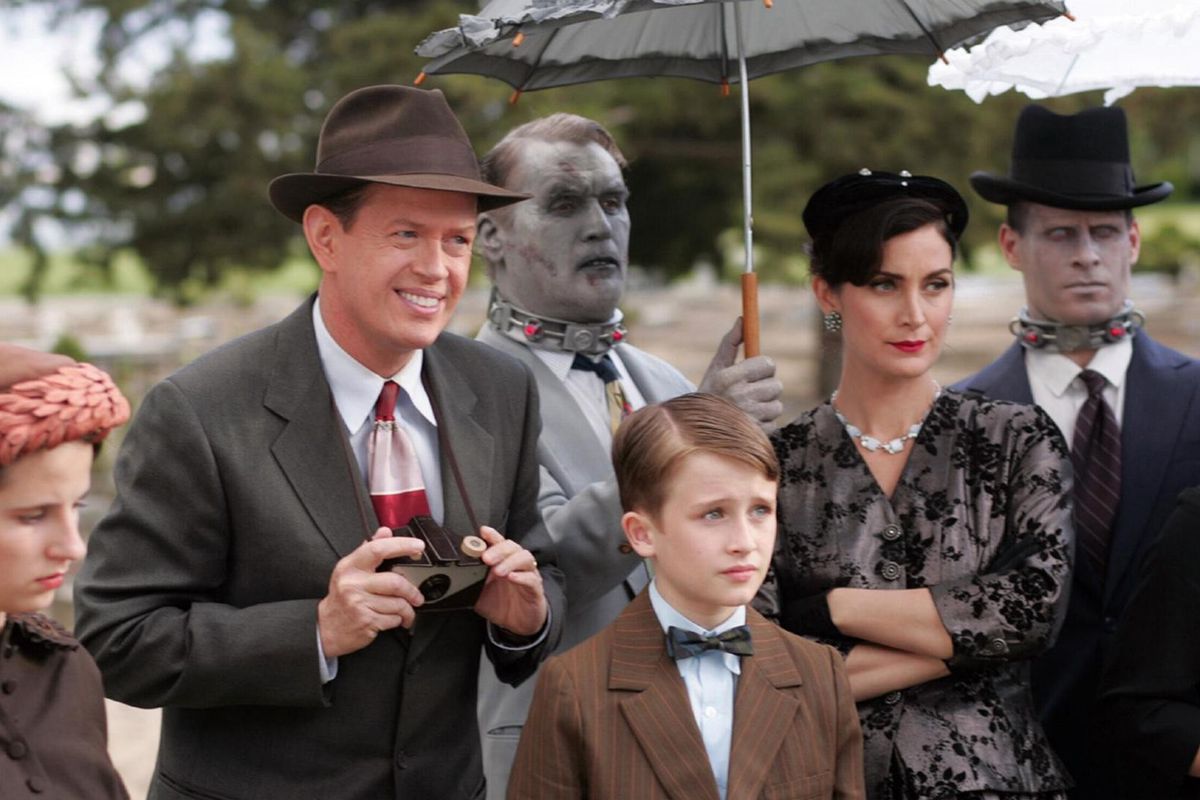
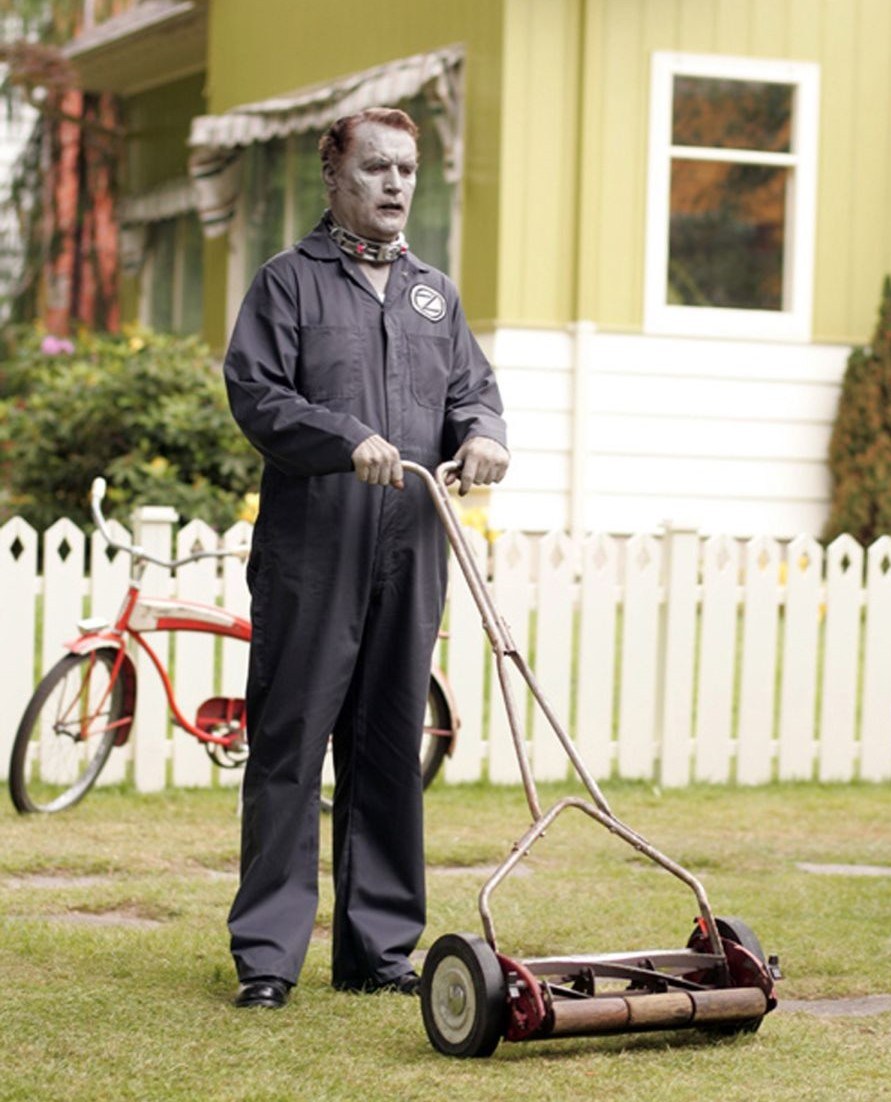
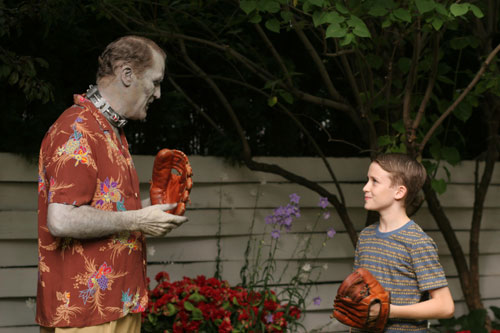
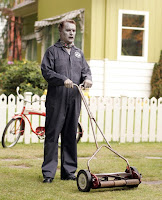
Some of you may be familiar with Fido, a wonderfully heartwarming (no, seriously) zombie story about a boy and his… well, pet zombie.  It was also a nearly fifteen year labor of love for Andrew Currie, Robert Chomiak , and Dennis Heaton, taking them from film school to Lionsgate Pictures, where the movie finally came to be with a very impressive cast. I got to speak with Andrew back then, and we talked a lot about his creative process and how the story evolved going from an elaborate novella to a screenplay to a finished movie.

A few of my standard points before we dive in.  I’m in bold, asking the questions.  Please keep in mind a lot of these aren’t the exact, word-for-word questions I asked (which tended to be a bit more organic and conversational), so if the answer seems a bit off, don’t stress out over it.  Any links are entirely mine and aren’t meant to imply Andrew’s specifically endorsing any of the ideas I’ve brought up here on the ranty blog—it’s just me linking from something he said to something similar that I’ve said.
By the nature of this discussion, there are going to be a few small spoilers in here, though not many.  Check out the movie if you haven’t seen it yet. It really is wonderful. I mean, it’s a feel-good zombie movie about families. What more could you want?
Material from this interview was originally used for an article that appeared in the CS Weekly online newsletter.
What got you into filmmaking and screenwriting?
I guess just, from a really young age, being a fan of movies.  I remember I was six years old and my dad took me to 2001: A Space Odyssey in the theatre.  And I still remember just being completely blown away by the movie—obviously not understanding it, but the visceral impact of the images.  And really being a life long film buff, a film geek I guess you’d say, staying up late watching horror filmsonce everyone else went to bed.  The standard path (laughs).
You’ve written a lot of the stuff you’ve directed.  Do you think of yourself as a writer or director more? 
I think of myself as a writer-director.  I generally write on most of the things I direct.  I certainly have directed stuff I didn’t write.  I just find that, to me, there’s that idea that there are three films; there’s the film that you write, there’s the film that you shoot, and there’s the film you complete in post-production.  Those three phases to me are so fluid that they tend to all become one.  The writing process for me is directing on the page quite a bit.  I guess I find that being involved in the writing is fairly critical.
D’you think you’d ever write a screenplay without wanting to direct it?
Oh, I’d love to. (laughs)  But God knows who would want to direct it.  
Yeah, I’m not the fastest writer, and that’s another wonderful thing about collaborating.  What’s exciting for me about film is that it’s collaborative, it’s bouncing ideas off other creative people.  When we wrote Fido–Robert, Dennis, and I–we spent a lot of time in the story room together just bouncing around ideas.  I think often that’s the most fulfilling way of working, because you become so much more inspired by working with collaborators.
You’ve worked with Robert a few times, yes?
Yeah, Robert and I have co-written a couple things.  He’s wonderful, and he’s got that combination of having a wonderfully bizarre take on the world but also being a very pragmatic writer as well.  He’s great.
Now, Fido was originally a short story by Dennis, yes?
Well, Dennis had written this… it was somewhere between a short story and a script.  It was seventy or eighty pages, it was pretty long.  It was about a little boy in a small town who had a pet zombie.  The boy just fed him raw meat so he wouldn’t eat people.  We all went to Simon Fraser Universitytogether for film school.  Dennis and Robert did two years of the program, and I went for the whole four years, and when I graduated we all decided we wanted to write something together.  It was one of those things where everyone brings five ideas to the table, and Dennis brought Fido.  We just all immediately got excited by it and the potential for it.  We actually wrote the first draft really quickly.  A lot of the basics came really quick, but it really was nothing more than a world with zombies and Leave It To Beaver, cardboard cut-out characters.  There was a lot of fun, but we also didn’t have much to say about the world.  
That was back in 1994.  We went off and did other projects, and I took the script out to the Canadian Film Centerin 1996 and worked on it out there, and then came back.  We started working on it again in 2001, and by then we had all developed more as writers.  We approached it much more from theme and character, and it made such a difference.  The world became much more complex.  And then September 11th happened and that started to affect the story in a political way as well.  It just started getting layers that were really exciting for me as the director.  You’re telling this absurdist comedy and you’ve got these other layers that you’re putting in, and whether people get them or not became an interesting debate for us.  You can lay something in, but if it’s too subtle it just flashes past people.
You mentioned 9/11.  There’s a lot of underlying paranoia and a very us-vs-them mood, even past the usual zombie movie standards.  How much of that was very deliberate?
Oh, it was very specifically an allegory, but it’s quite subtle.  You know, for example, in the beginning of the film Mr. Bottoms comes into the classroom and he tells the kids that he’s building the fences higher and there’s going to be security vans on every corner and he’s going to take everyone’s picture “just in case they get lost.”  And that was very much referencing Homeland Security.  What was really exciting was when we started thinking about the film in that way, it really started to affect the characters, namely Bill, the father.  The idea of ZomCom– which is sort of the government and a corporation as an amalgamation– pushing fear within a community as a means of control, which happens (pause) in many, many places in the world.  And Bill ended up becoming the embodiment of fear.  He’s terrified of zombies and his goal in life, really, is to die and not have to come back, and he’s got this slightly absurd childhood trauma of having to shoot his father when his father turned.  And the central irony of the whole movie, for me anyway, is that Fido is this dead creature who comes into the family and is more emotionally engaged in the world than the father.
So the allegory was certainly intentional.  What we really wanted to do was, on the surface, just have fun and play with the idea of Lassie and the “boy and his dog” story, but then on the deeper level have that political resonance and then in terms of the characters, tying to that.  Really, the theme we were writing from was “love, not fear, makes you alive.”  Bill is the embodiment of fear and Fido is the embodiment of love.  He brings this relationship into the family and becomes a catalyst for change within the family.
You did a short about a zombie, Night of the Living, a few years back, yes?  Are you a fan of zombie movies?
Yeah.  I saw a zombie movie, I don’t even know what it was, when I was really little.  I remember being really traumatized by it.  In a good way (laughs).  Y’know, there are so many damned zombie movies out there, it’s a bit of a drag.  When we started Fido in ’94 there weren’t that many around.  Now I have to read some critic going “they’re just taking the end of Shaun of the Dead and turning it into a movie.”  Which is really painful when we wrote it fourteen years ago.
For me, they make such great metaphors.  I think what’s interesting about zombies is that they are so close to us.  They are human in a way, and they tap into some primal fears in a really visceral way.  The idea of death and dying and mortality and disease, they embody all of those things.  A lot of monsters and creatures in horror are of the supernatural variety or completely inhuman, so they’re not as close to us in that respect.  So zombies have a greater sense of dread about them.
There’s a lot of baggage that comes with the word zombie.  Did it make it tough to sell people on this story?
It did.  What was great about it was getting Lionsgate and having such big fans.  They read the script and said they loved it, and let’s shoot it as it is.  They were completely behind it.  There were other distributors and there were concerns about the script.  Those concerns were mainly “what is it?” Is it a family film, a horror film, a zombie movie?    The majority of the people, and very happily all of the actors, got what the world was and the depth of it and the fact that it had this satirical throughline.  But certainly for a percentage of people there was this sense of, how is that mishmash of genres going to work.
There’s a few things that it seems somebody would’ve started pointing at (the killings, Mr. Theopolis, schoolkids with guns, etc).  Did you get a lot of notes from the producers or the studio about the script?
No, that was the great thing.  I don’t think I got a single note.  Everyone who was in on the film, Lionsgate, they were really big supporters.  It was almost odd that people were just so supportive.  I mean, I’d just made one feature before this called Mile Zero, which is a very character-driven drama, completely unlike Fido. 
Did the R rating come as a shock to you?
Absolutely.  I was quite disappointed with the MPAA and I had many conversations with them.  I went into the editing room  and we tried different things.  In the end, what they needed to make it PG-13 just undermined the film in a way that just wasn’t something we wanted or Lionsgate wanted.  So we decided we had to stay with an R.  The thing about the MPAA is that they really got the humor and they said they were real fans of the movie.  I think because children and the elderly get consumed in the movie, I started wondering if there was a moral compass at play.  There’s so little violence, I was really surprised with them being so hard on it, especially in light of so many other films that are PG-13.
Was doing the script as a group, the three of you, was it very different, process-wise, than if you’d just sat down and done it on your own?
The process for Fidowas so unique in the sense that it went on for so many years.  When I was out at the Film Center I was working on it for about a year on my own, and then I’d come back and we’d all work on it.  It became a really dragged out process, and we got to a certain point, which was about a year and a half before shooting, where the three of us just did everything we could do and it was time for me to take it and start moving it towards production.  So Dennis and Robert stepped off at that point.  Screenplays can certainly exist just as screenplays, but there’s a point when they have to move towards the reality of being made and things change.  Dennis and Robert were wonderful about it– I don’t want to sound like I’m insulting them.  They stepped away and then I worked on it, finessing certain things, and moving it towards production in terms of the reality of creating the world and making it happen.
Do you have any solid habits or methods when you write?

I really believe in the outline.  I always work from a beat sheet.  In terms of the scene by scene, I just find it’s such a wonderful focusing tool for me.  The way I write is probably quite a bit with the directing hat on, maybe more so than I should.  I tend to imagine the scene, and then re-imagine it and flip it over and over in my head until it clicks and then put it down on paper.  Even when I direct I work from a beat sheet, in the sense of what the real intent of the scene is and the character beats and the key moments.  I think it’s important to keep those clear and present.

How is it for you when actors start asking for changes?  Either actual rewrites of scenes or just adlibs on set?
I like and encourage improvisation at times, but the truth is sometimes if you allow improv just to start happening in an escalating way, what you can end up with is something that’s not nearly as coherent a story as it should be.  I really believe in getting a script to the place where it really works and then having faith in that structure.  Story structure works.  Character arcs work.  When they’re well written they really do fulfill the promise of the script.  A lot of times actors will bring wonderful moments and wonderful bits into the process, and I completely support that, and love that, as long as the arc and the integrity of the structure is being honored.

Categories