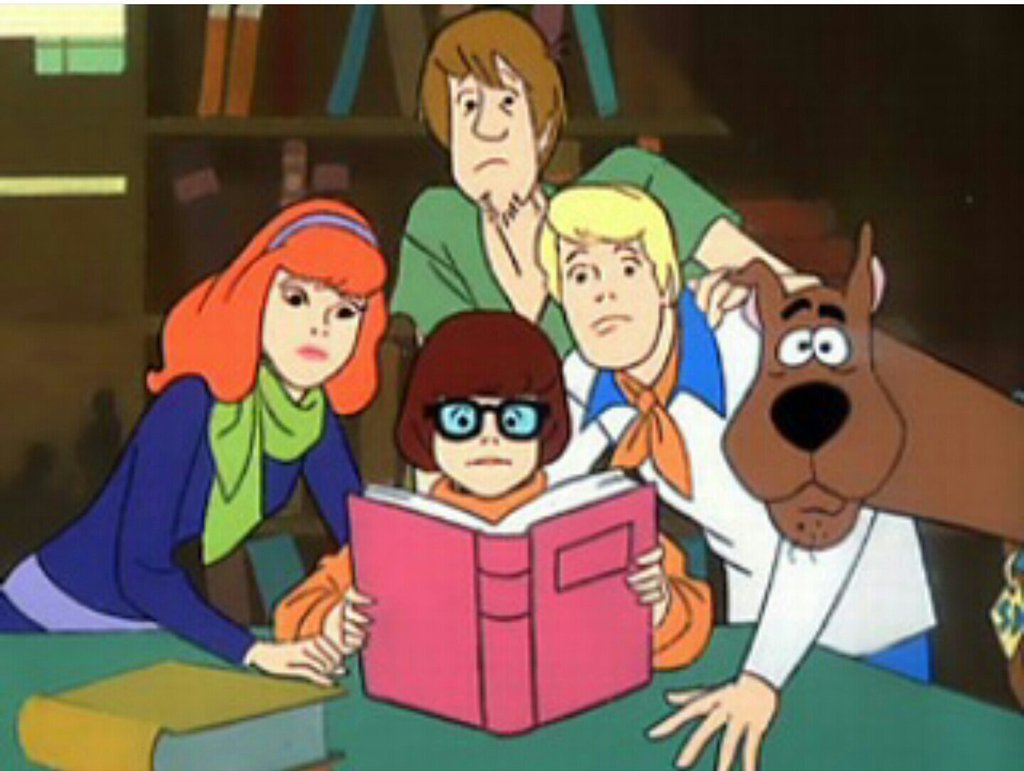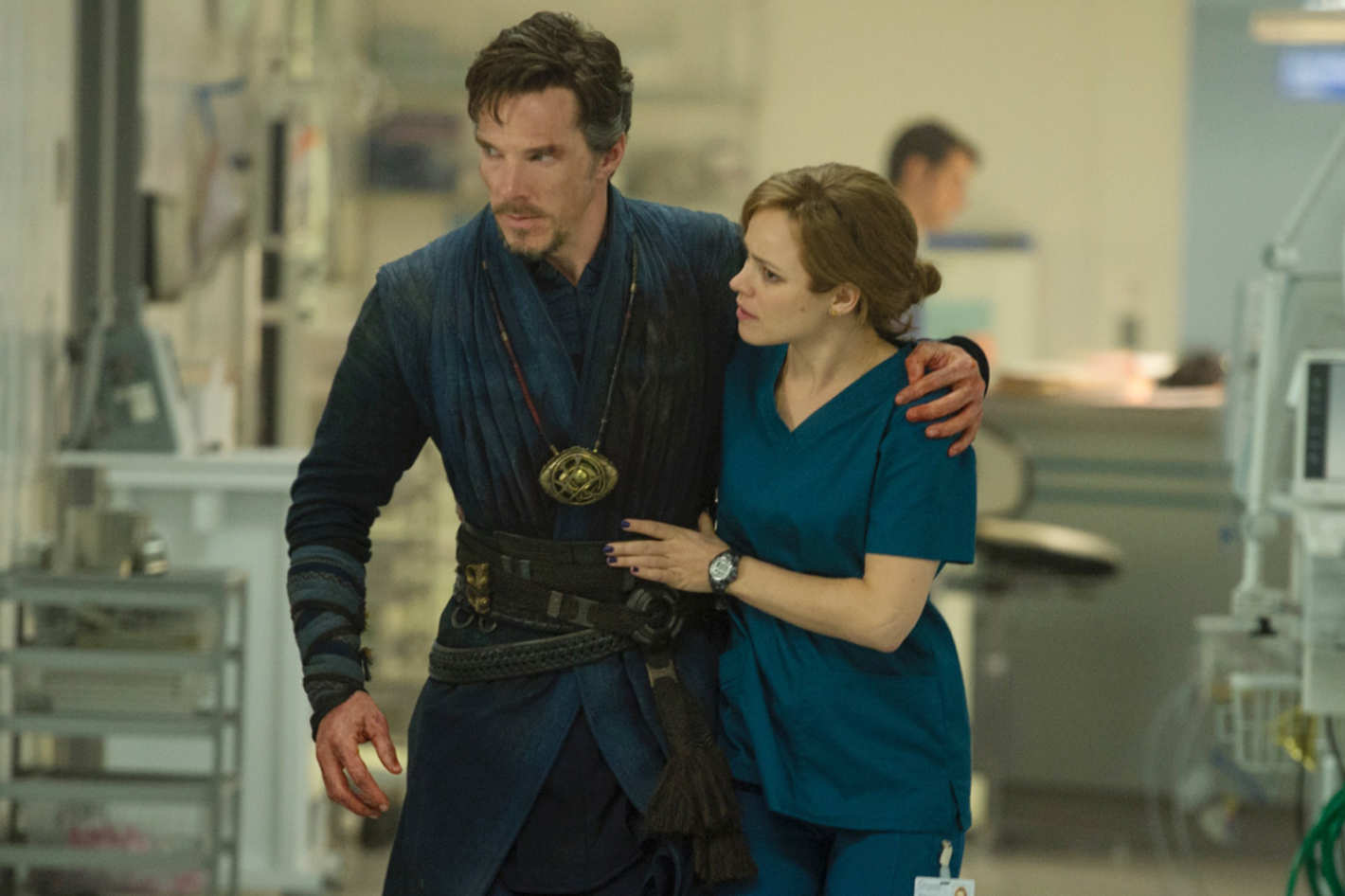

Pop culture reference. Just a decade or two old.
Hey, speaking of pop culture, if you’ve lived on the Earth at any point this century, you’ve probably heard of a type of narrative called a chosen one story. They’ve been around in books and movies for, well, many decades, but over the past ten years or so this particular sub-genre has become kinda popular.
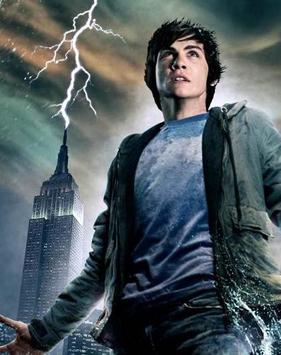 On the off chance you haven’t been on Earth that long (in which case you have a spectacular story of your own to tell), a chosen one story is about a regular—often less-than-regular, somewhat sub-average and outcast—person who comes to find out they have a grand destiny. Sometimes they’ve been prophesied, other times they just happen to fill a long-unfilled void. King Arthur was a chosen one, as was Perseus. On the more modern side , there’s also Neo, Buffy Summers, Harry Potter, Katniss Everdeen, Percy Jackson, Beatrice Prior… just to name a few.
 Seriously, just a few. This has become a ridiculously common thread in books and movies. Most of them tend to lean toward fantasy and young adult. Not all, but enough that it’s worth mentioning.
And a lot of them, to be blunt, aren’t that good. Oh, there were some amazing ones up front, but as more and more writers dove at this popular sub-genre, we ended up getting more and more folks who… well, just didn’t get it. Nowadays, you’ll see a lot of agents and editors on their homepages or on Twitter, all more or less begging writers not to send them any chosen one stories.
During a recent bout of Saturday geekery, I stumbled across a chosen one movie. It had a lot of problems, and almost all of them circled around the idea that our main character was supposed to be some sort of chosen one. I say supposed to because… well, he was kinda awful at it. On a bunch of levels.
Let’s talk about a couple of them.
So, some ways in which my chosen one might kinda suck…
–A chosen one who doesn’t do anything
This is an issue for any main character, but it tends to really stand out with a chosen one. I’ve seen far too many of these stories (including that recent one) where the chosen one is the least active character—in any sense. The entire supporting cast is doing all the work, making all the decisions, sharing all the information and my chosen one is doing… nothing.
 I’ve mentioned this sort of thing before. If I can swap out a character for a dufflebag full of towels and nothing would change in my story… maybe I don’t need that character. If all they are is something to hand off, protect, give orders to… I probably need to develop them more. And have them be a little more active.
–A chosen one who doesn’t do anything anyone else couldn’t do
This is kinda-sorta related to the last one. I’ve seen more than a couple chosen ones who, when all’s said and done, just aren’t all that special. It’s like if I said Jeff was the chosen one because he can mix drinks. Are we living in some horrible mixerless dystopia? Are there no more shot glasses so nobody can measure anything?
You laugh, sure, but I’ve seen chosen ones who are “special” for far less then that.
If my chosen one just needs to put a key in a lock, pick up a stone, or flip a few switches… my readers are going to wonder why nobody else could’ve done this. If they need to read a page from a book, have blonde hair, steal a coin, or enter a password… there really isn’t anything that special about them. These are all things anyone can do. If someone’s been chosen for a great destiny, my readers (or audience) are going to expect that it’s, well… great. Definitely not mediocre or mundane.
–A chosen one whose “gift” is ridiculously specific to the threat they face
 Okay, this is a tricky one. Sometimes, in an attempt to make things more believable by having them very toned down, a storyteller end up with a chosen one who has an extremely specific gift or ability. For example, if Dot has a complete immunity to radiation in the 395-405 nanometer wavelengths… which happens to be the exact frequency of the laser weapons used by the alien battle robots. Or maybe the evil dictator is famous for killing his enemies with a specific variant of cyanide… a specific variant that Yakko’s completely resistant to after a bizarre childhood accident.
 I know, these sound kinda ridiculous. But this sort of thing crops up again and again. The writer gives the chosen one a very narrow-focus ability, and that narrow range is exactly what the protagonist needs.
In a way, it’s kind of like when characters suddenly, for no reason, start preparing for a crisis that doesn’t exist. And now, when a crisis does suddenly happen two months later… Phew, good thing my character spent those two months stockpiling food, weapons, ammunition, batteries, medical supplies, solar cells…
When I do this, I’ve removed all sense of a challenge and also damaged the willing suspension of disbelief. Yeah, it would’ve been hard to believe that Yakko is immune to all poisons, but not as hard as it is to believe he happens to be immune to the very specific one he needs to be. It doesn’t feel like destiny, it feels like I created a flimsy coincidence to get myself out of a corner.
Look at it this way. If the threat didn’t exist, would this gift make our chosen one special in any way? Or would it seem like a really weird character trait I added on for no reason?
–A chosen one who doesn’t become invested in this other world
This is a biggie. It’s rare, but I want to talk about it because it can kill a whole story. I mean, bang, dead, tossed across the room.
Most chosen one tales involve the idea of another world or society existing alongside our main one, often in complete secrecy. Wizarding worlds, cabals of rebel freedom fighters, supernatural beings, and secret conspiracies are all fairly common Our chosen one often serves as a bridge between these two worlds, both for other characters and for my readers. And they’re usually the chosen one because they’re either going to save that world or, alternately, bring it down and save ours.
Most chosen one tales involve the idea of another world or society existing alongside our main one, often in complete secrecy. Wizarding worlds, cabals of rebel freedom fighters, supernatural beings, and secret conspiracies are all fairly common Our chosen one often serves as a bridge between these two worlds, both for other characters and for my readers. And they’re usually the chosen one because they’re either going to save that world or, alternately, bring it down and save ours.
Another key aspect of these stories is there’s almost always a moment of doubt. Some point where Yakko doesn’t believe he’s the chosen one, or maybe Phoebe just doesn’t believe in him anymore. It’s when my protagonist suddenly realizes they could just walk away from all this.
 But they don’t.
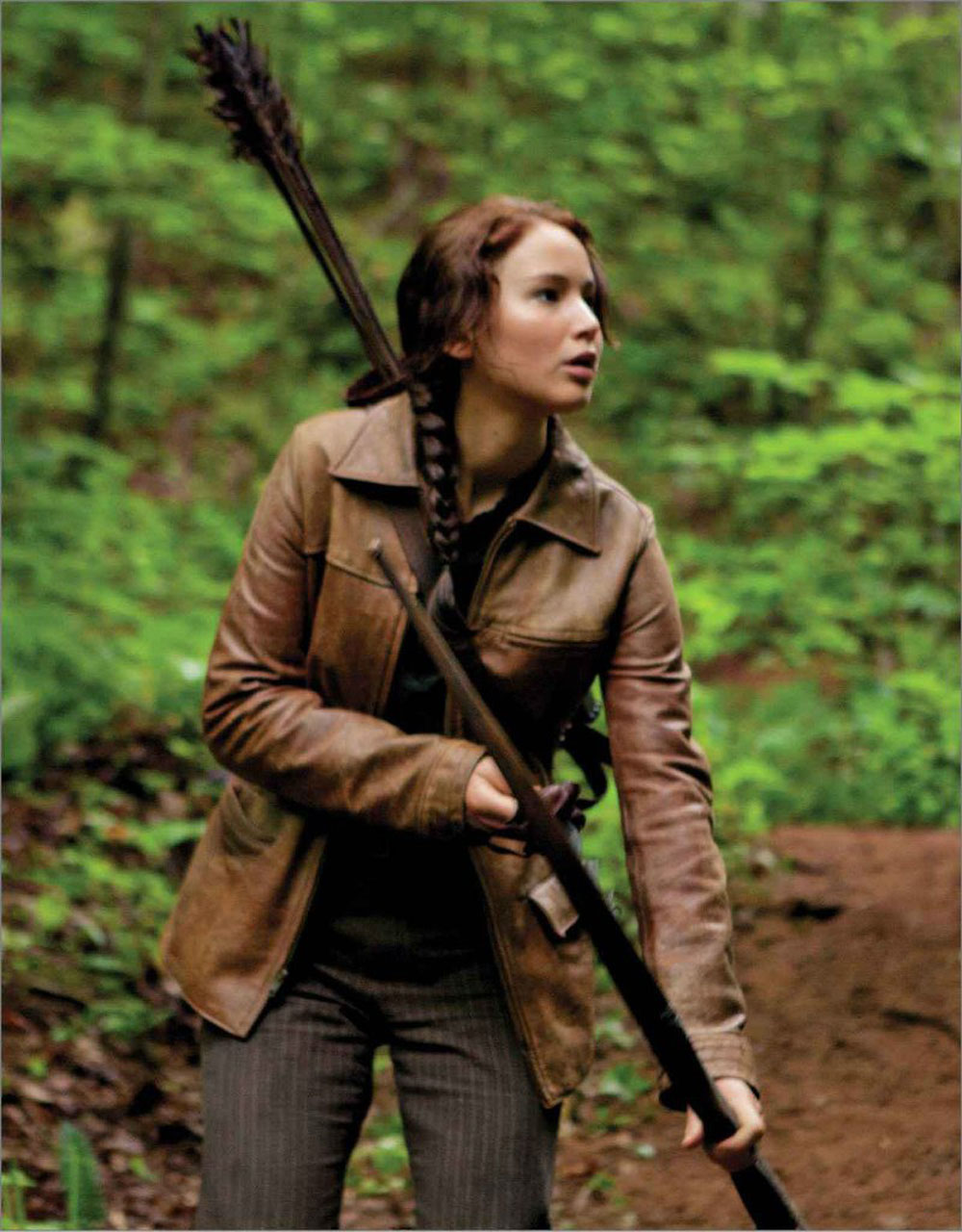
 The Oracle told Neo he wasn’t the One. The various ministers, and even Voldemort, give Harry a bunch of chances to just walk away and stop fighting. How many times did Katniss toy with the idea of just running away to live in the woods?
And yet… none of them did.
In the especially bad chosen one story I saw recently, the protagonist was destined to stop a cruel, murderous overlord. But then a few things went wrong. And the love interest said “Maybe you’re not the chosen one after all,” and someone else said “You should just go.”
So he did. The chosen one just left and went back to his old life. Started pulling the nine-to-five again as if nothing had happened. Never looked back once until the others came looking for him again.
So he did. The chosen one just left and went back to his old life. Started pulling the nine-to-five again as if nothing had happened. Never looked back once until the others came looking for him again.
Does that sound like a hero anyone’s going to root for?
Y’see, Timmy, one of the key things here is that my character needs to care about this struggle past how it involves them. They need to care about the crisis and the people involved in it. Really, their role as the chosen one needs to be secondary.
Y’see, Timmy, one of the key things here is that my character needs to care about this struggle past how it involves them. They need to care about the crisis and the people involved in it. Really, their role as the chosen one needs to be secondary.
And that’s that. Four ways my chosen one might not be the best choice for a character.
Speaking of which, next time I may talk about characters a little more.
Oh, and this Sunday is the Writers Coffeehouse. Noon to three at Dark Delicaices in Burbank. Stop by and see how eloquent I sound when I have to talk about this stuff on the fly.
Until then… go write.