
October 1, 2020 / 1 Comment

Allow Me to Explain…

 There’s a storytelling idea, sort of a method, I suppose, that I’d been batting around for a while as a possible topic. Something I see crop up enough that it was worth mentioning in that “something else to keep in mind…” way. I decided to add it to my list of topics here and then, in a weird synchronicity, said problem showed up in a TV miniseries I finally got around to watching and a book I was reading (some formats may be changed to protect… you know).

The miniseries I mentioned involved an aggressive computer virus. And it explained how the virus worked. In detail. It used a few specifics and a few generalities, but it spent three whole scenes explaining this virus, the logic behind how it worked and how it selected targets.

The problem was… even as I was watching this, I could see a bunch of holes in the explanation. Holes that were only pulled wider as the story went on. And my computer skills more or less peaked in the very early 00’s. But I still knew enough to know the virus wouldn’t work the way it was described. Couldn’t. If it chose targets this way, why didn’t it go after that or that? If it propagated like that, how had it reached here and here?

For a brief time I was wondering if this was some sort of foreshadowing that there was more to the virus than was being let on. Maybe some sort of AI or a living virus that had been transcribed but then… mutated or something? But no, in the end it was just a computer virus that didn’t make any sense.

Which was doubly annoying because the virus didn’t really need to be explained in this story. The plot was much more about the repercussions of this thing being loose on the web and how it was affecting lives, society, and so on. The explanation slowed things down.
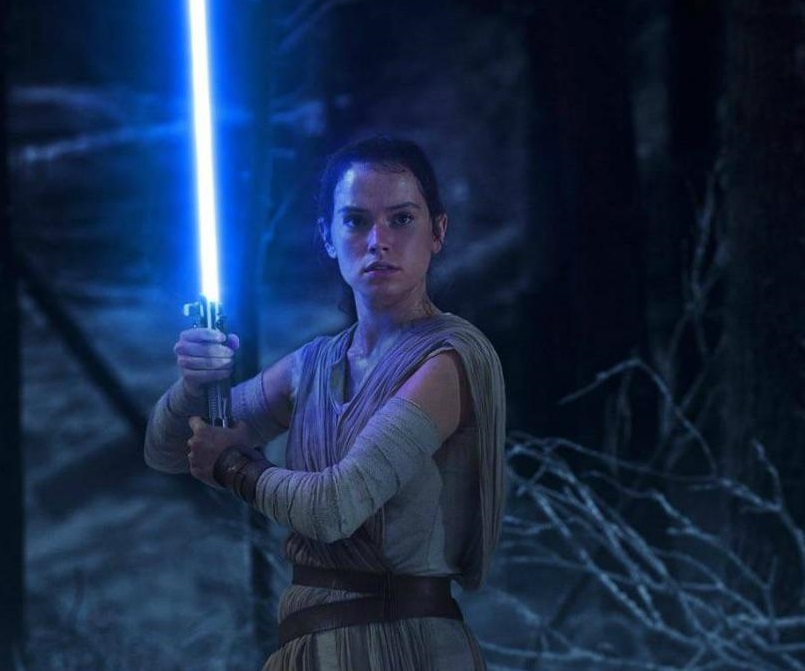
And, yeah, sure—part of this is on me. Any genre story is going to involve a degree of suspension of disbelief. Nobody wants to be the guy picking apart the energy requirements of a lightsaber or arguing how the Hulk can’t be that strong because his muscle/bone density would mean he’d sink into the earth. And as for Mjolnir, look…

Okay, yeah… there are some people out there who love being that guy.

(looking at you, Neil…)

But here’s the thing. I couldn’t’ve picked it apart if the writer hadn’t put so much down in front of me. I wouldn’t’ve had anything to pick apart. I can’t complain about your wardrobe if you never show me your wardrobe. But this writer decided they needed a whole scene (three scenes, really) explaining the computer virus in detail. And the details didn’t match up.

So what does this mean for me if my story needs explanation? I mean, speculative fiction is filled with different forms of technobabble. It’s got FTL drives and magic systems and AI computer viruses and alien life cycles and bringing dinosaurs back with cloning and mutant superheroes and… I mean, I’ve got to explain it all somehow, right?

Maybe? Consider Jurassic Park. How much does Crichton (or Spielberg and Koepp) actually tell us about the process of recreating dinosaurs? No, seriously—what do they tell us? If you look back, it’s actually a pretty bare-bones explanation of what’s a fairly complicated process (especially twenty-five years ago!). In fact, it encourages us to fill in a lot of the blanks ourselves and make it seem more complete.

So here’s a few things to keep in mind as I’m writing out that long explanation…

First, be clear if the story really needs this explanation. Is this what the story’s actually about, or is this a minor element I can handwave away or just skip over? Back to the Future gets away with a ridiculously simple explanation of time travel because it’s not really about the time travel. It’s about actions and consequences, and becoming a better person. Time travel’s just the mechanism that lets it happen. It’s just short of being a MacGuffin. We don’t need that explanation the same way we don’t need to read about someone hitting every step on the staircase, how many keystrokes it took to log into their cloud account, or a list of every item of clothing they put on when they got dressed (in order). The reader will fill it in.

Second, if I decide I really need to explain this at length, it’s got to be solid. I’ve waived the right to say “just trust me, it works” and now I need to make this as rigorous and believable as possible. I need to do my research, double-check my logic, triple-check my numbers, and let it marinate overnight in plain-old common sense. Trust me when I say if I get a fact wrong or use garbage science or make a math mistake… people will let me know. I don’t even have to ask them. Not only that, but…

Third, I need to keep in mind the more something gets explained, the easier it is to punch holes in that explanation. Like in the example I first mentioned. As the characters went into more and more detail about the computer virus, the flaws in that explanation became more and more apparent. How often have we seen the person digging themselves deeper and deeper because they won’t stop talking? It’s soooooo tempting when we’ve done all that sweet, cool research, but I need to figure out how much explanation my story really needs and stop there. I’ve mentioned screenwriter Bruce Joel Rubin here onceor thrice, and his idea that we experience stories in our gut, but we analyze them in our head. I never, ever want my explanation to drive people into their heads.
Fourth, closely related to the last one, is that this sort of explanation is almost always going to be exposition. Yes, even if I try to work it into a conversation or presentation or something like that. As we’ve talked about here a bunch of times, exposition gets boring really fast because so much of it is either things we already know or things we don’t need to know. For our purposes here, there’s a chance the reader doesn’t even want to know. So if I decide I need this explanation in my story, I need to make sure it’s going to be clever and engaging for the reader.

And that’s me explaining how to explain things.

Next time, I’d like to talk about if you should be reading next week’s post.

Until then, go write.
September 29, 2020 / 2 Comments

Book Smart

A question I tend to get a lot is “when will X be available in paperback?” It comes up so often it’s in the FAQ. But, in all fairness, I’ve kinda brushed over the answer past saying “not in the foreseeable future.” Because the full answer’s big and unwieldy and some folks always want to complain about format. So it’s easier to just say “not in the foreseeable future.”

And I get why this is probably confusing to some people. Aren’t we living in a golden age of self publishing? It’s easier than ever, right? If nobody else is going to put these books out, why don’t I just do it myself?

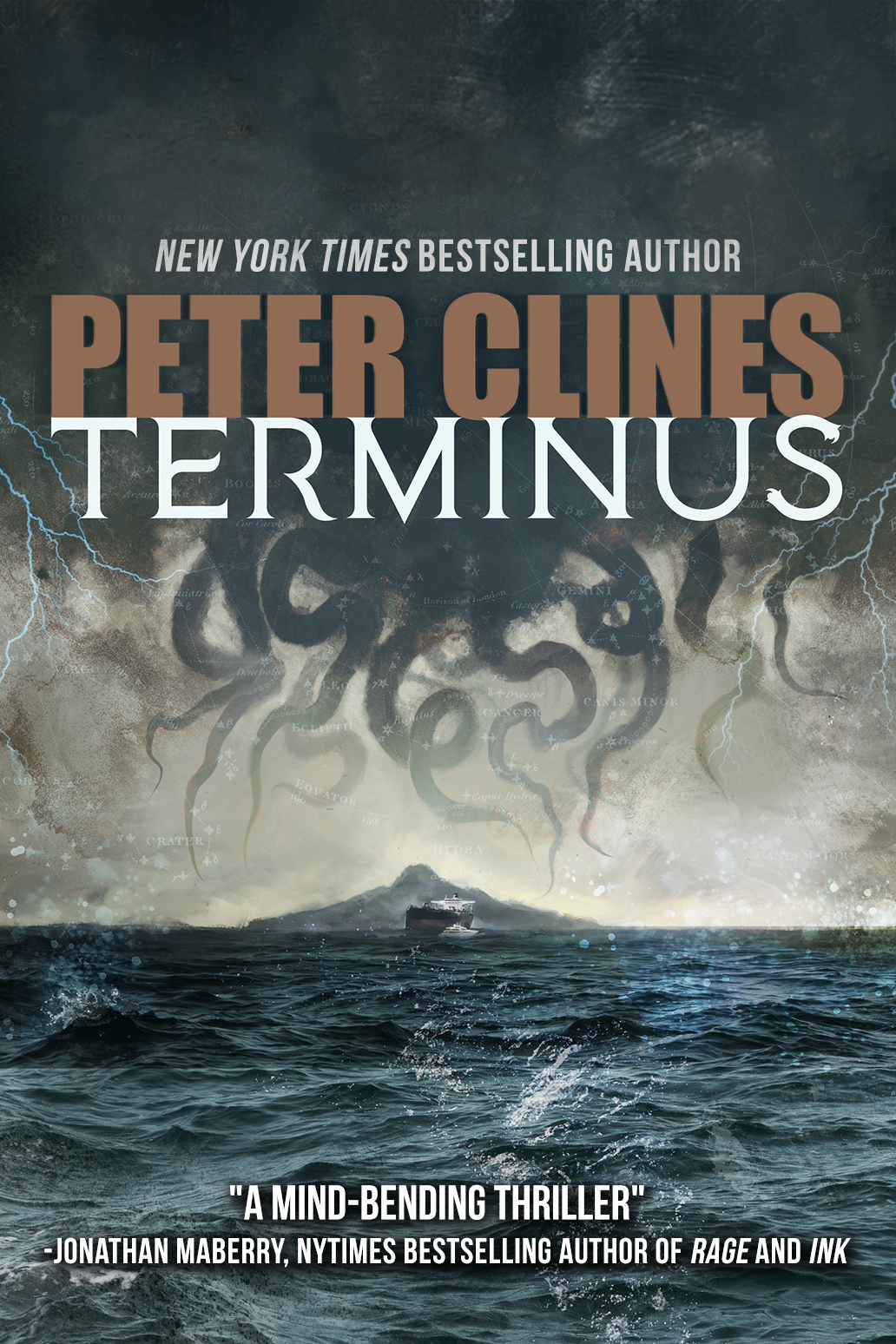
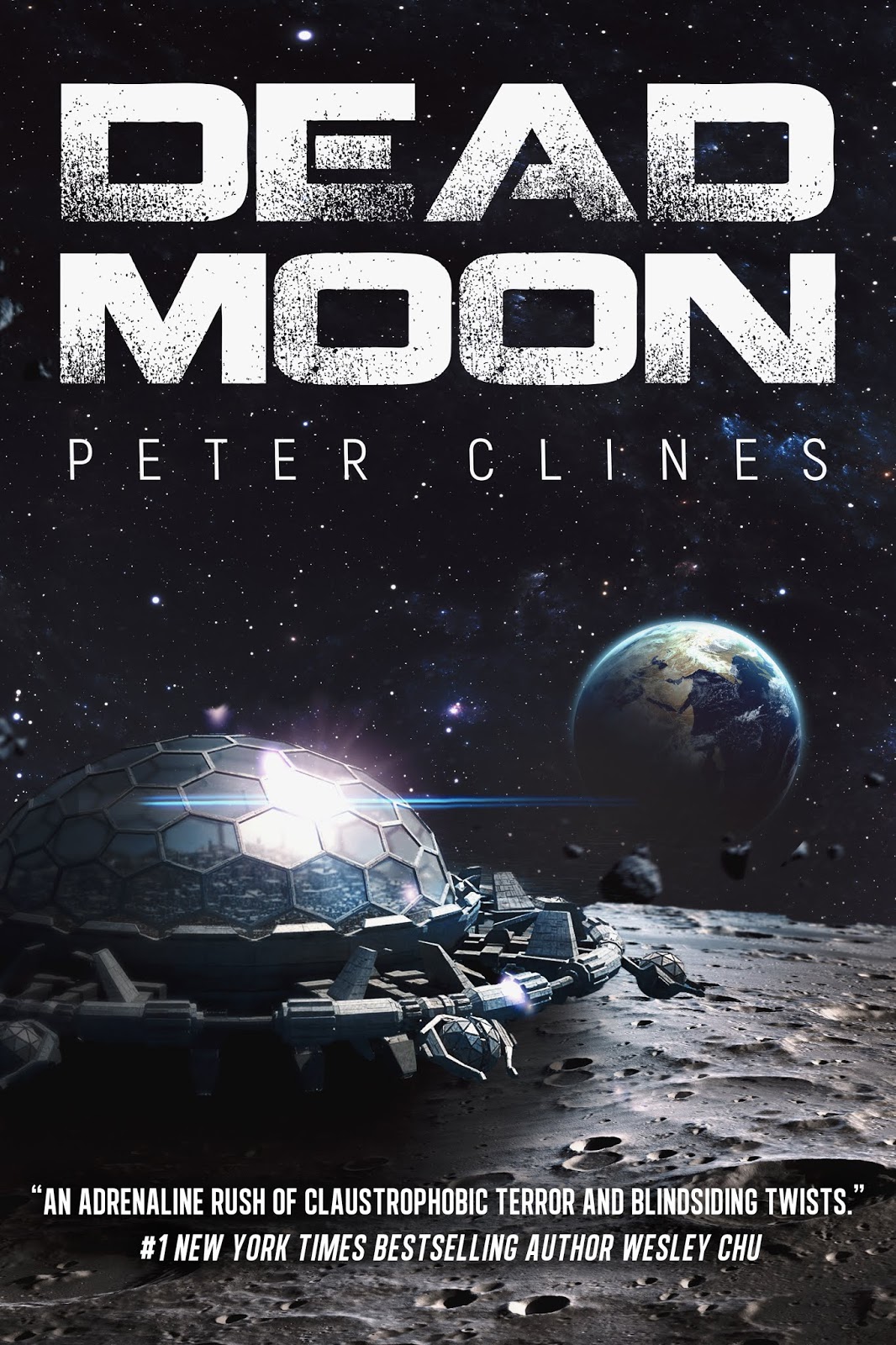
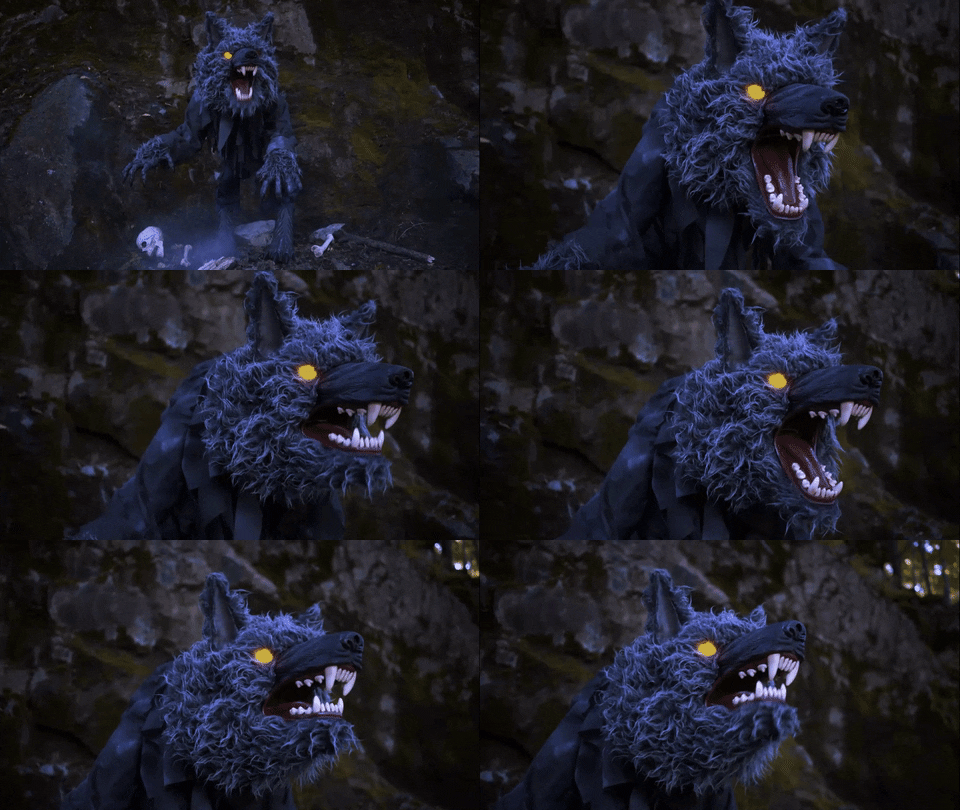
Since I’m kind of at a key point right now—with Terminus just out in ebook a few weeks ago, The Eerie Adventures of the Lycanthrope Robinson Crusoe coming back in just a few weeks—I thought it might be a good time to finally explain why there aren’t physical editions for any of these.

Although… okay, thinking about it, this may need a bit more explanation. Which could be kind of dry and boring. Let’s try it like this…

Why didn’t you just put out these books ages ago?

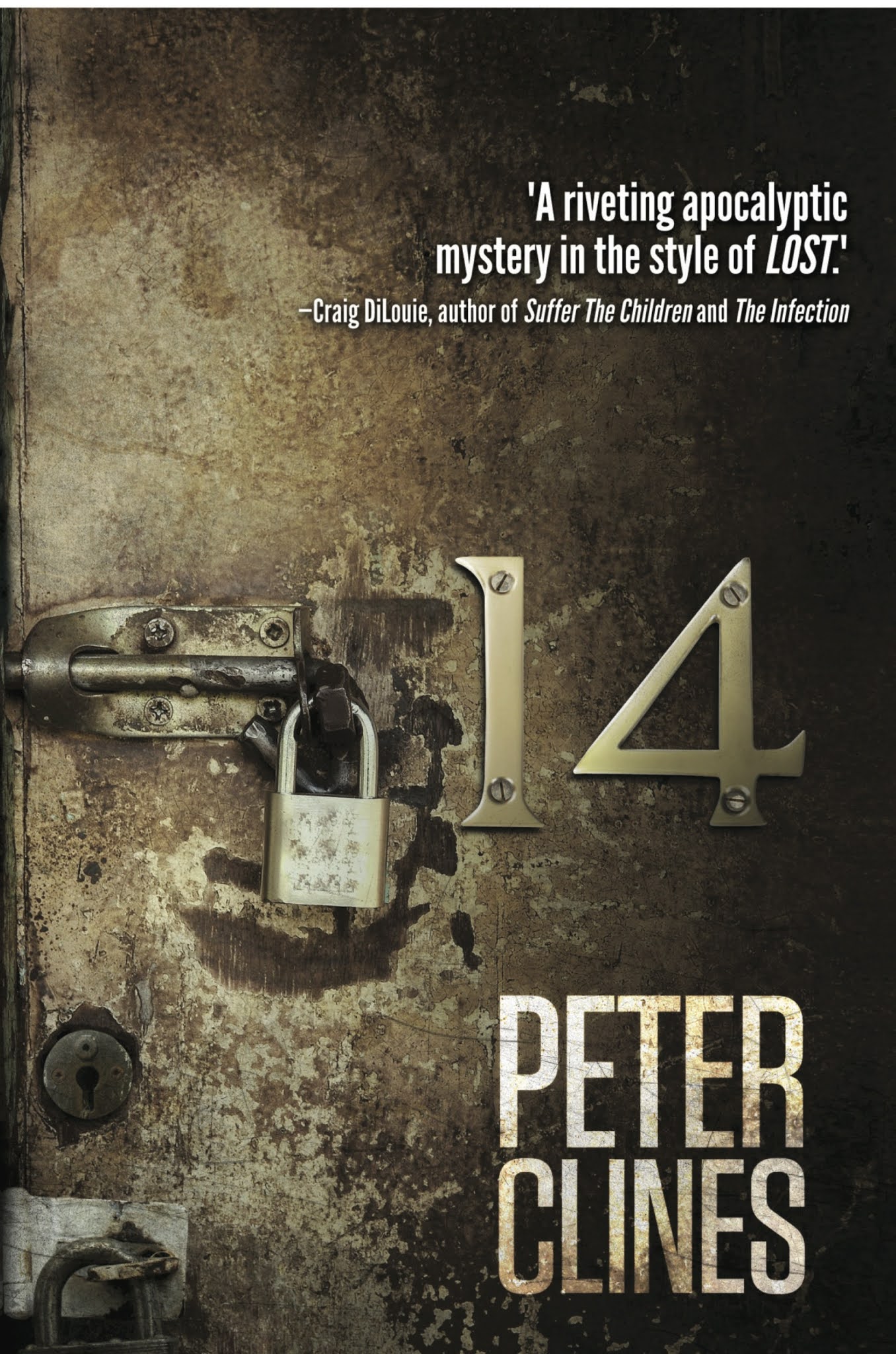
All of the books I’ve been releasing under the Kavach Press banner originally started with traditional publishers, so I didn’t have the rights to put out anything. Crusoe and -14- both started at Permuted Press. Dead Moon and Terminus had exclusive deals with Audible (explained, again, in the FAQ). Now that they’re back in my hands, I’m putting them out as I’m able.

But how did you get the rights away from the publishers?

Well, in all of these cases it was just written into the contract. In the case of Permuted, it was just X number of years go by and all the rights revert back to me. In the case of Audible, they only had the audiobook rights, but part of the contract guaranteed they’d get to be the exclusive distributor of the book for six months, and then I’d be free to do what I wanted with the other rights (ebook rights, paperback rights, foreign rights, and so on)

No, I heard publishers never do anything fair. How’d you really do it?

That was it. Really. It’s not that unusual a thing to have reversion clauses in book contracts.

I think the disbelief here comes from two issues. One is that some folks take their specific, unique interaction with a specific publisher and then extrapolate that this is what it’s like for all authors with allbooks at all publishers. And like most things on the internet, the worst-case scenario is the one most people point at.

Second (somewhat related to the first) is for a while there were a few folks who built up a nice little industry around the idea of hating/fearing traditional publishers. They’d point to all those worst-case scenario contracts, yell about gatekeepers, and hey if you want to see what those idiot dinosaurs turned down you should check out my book for just $2.99! Oh no, there are caravans of traditional publishers coming and we have to build a wall to keep them out! But don’t worry—the Big Five will pay for the wall!

Am I saying all publishers are noble and true and care about nothing but the art? No, of course not. They’re running a business, and the business aspects of deals are always going to be important to them . But reversion contracts are still normal. Any decent agent will insist on them. Any decent publisher won’t have a problem with them.

Okay, but now you can just self publish them all, right?
Well, yes and no. I can legally, yes, but as I’ve mentioned to folks a few times, the often-ignored part of self-publishing is it means I’m the publisher. I’m in charge of cover art, layouts, blurbs, marketing, publicity, all of it. And I just… I don’t want to do any of this. I think it’s fantastic that some people can do this. I’ve got a lot of friends who do. But it’s not for me. I’m a writer, not a publisher.

So I’m putting the ebooks out. With some help from some friends and a bit of money for covers. And that’s pretty much it. Because I want to spend my time writing, not publishing.

Well if that’s the case why didn’t you just stay with the original publishers?

As far as Dead Moon and Terminus go, the original publisher doesn’t do ebooks or print books. And, again, they were never going to. In that case it’s less “the rights reverted” and more “the rights freed up.”

As for Permuted… without going into too many specifics, I ended up having some issues with both publishers (the company was sold a few years back, so I’m talking about the original and the new owners) and the new directions they took Permuted. Long story very short, I wasn’t comfortable doing business with them. When I got the chance to get my rights back, I took it.

Fair enough. But self-publishing on Amazon is so easy! Why not just have them make paperbacks?
It’s easy to do, yeah. It’s not easy to do it well. Kindle books are easy because there’s a basic, minimum amount of formatting—most of it’s adjusted by the individual reader on their chosen reading device. Print books, however, need everything locked down. Page layout. Chapter breaks. Blank pages. Paper choices, Spine layout. Again, much more publishing-work, not writing-work. Plus, as I’ve mentioned before, there’s an inherent cost to these books. It’s harder to make money, which makes them harder to justify.

Well, they’re hard to justify for a couple reasons.

Which means…?
Look, Amazon is a huge part of the ebook market. Depending on who you ask, anywhere from 2/3 to 3/4 of it. It’s difficult to do anything with ebooks even semi-successfully without using Amazon.

That’s not true of paperbacks, though. We have lots and lots of paperback distributors all across the world—bookstores. And I happen to like bookstores. A lot. So I’m not going to compete with them by putting out paperbacks that are only available on Amazon. I’d rather take that hit and just not have physical books.

Aren’t bookstores dying anyway, though?
Actually, indie bookstores were doing fairly well, overall, before the pandemic. Even with the pandemic, a lot of them are still doing well (check out two of my favorites, Dark Delicacies and Mysterious Galaxy). It just comes down to the whole shopping locally thing. Do you want to put money into your community or into a corporation with a multibillionaire owner?

Yeah, these days it’s a tough call for all of us. It’s about how much money we have to spend and how much we want to make. But we all need to make that choice and do what we feel is right.

But what about all the money you’re missing out on?
In all fairness, it’s probably a small hit, and it’s more likely to cause fan ripples than financial ones. As I’ve mentioned before (quick, back to the FAQ) I tend to make most of my money in audio format anyway, and when you add in the extra expense behind a paperback copy, in the end I’d make very little money to please a few fans and annoy a lot of booksellers.

So, yes, I’m kinda like that guy offering to give up caviar for Lent or something like that (never been 100% clear how Lent works).

But what am I supposed to do? I hate audiobooks and ebooks! I want something for my shelf!

I am very sorry for that. I don’t like alienating fans, but sometimes this is just how things go on the business side of it. I know the Audible deal annoyed some folks, but it made a lot of other folks very happy. I think overall it made most people happy because Dead Moon and Terminus wouldn’t’ve been written if not for that deal. There’s always a chance that somewhere down the road some things will change and some (or all) of these books will be available in physical form. Maybe paperback, maybe even hardcover. But I’m afraid for now…

It’s not in the foreseeable future.

September 24, 2020 / 1 Comment

A Few Basic Things I Should’ve Mentioned…

I  was glancing back over the whole A2Q thing I did a few months back. I admit, I’ve been toying with the idea of combining the posts, expanding on some aspects, and offering it as a cheapo ebook (at all interesting to anyone?). And it struck me there are a few aspect of writing I kinda skimmed over and others I barely touched on at all.

So I thought it wouldn’t be a bad thing to add in a few basics about forming a plot, shaping my structure, dealing with characters, that sort of stuff. A little less how-to (“press your foot down on the gas pedal to go fast”) and a little more but-keep-in-mind (“don’t go ninety in a school zone while a cop’s parked there”). Make sense?

I’ve mentioned most of these ideas before, so they may feel familiar. Also, since I’m loosely tying this back to the A2Q, I’ll use my character examples there rather than my standard Animaniacs references. I don’t want anyone to think I’ve abandoned Yakko, Wakko, and Dot.

Anyway…

First, I should be clear who my protagonist is. In my head and on the page. If I spend the first five chapters of my book with Phoebe… everyone’s going to assume Phoebe’s the main character. The book’s clearly about her, right?  So when she vanishes for the next seven chapters and I focus on Luna or Quinn… well, people are going to keep wondering when we’re getting back to Phoebe.  Because she’s who I set up as the main character.

Now, a lot of books have a big cast of characters.  An ensemble, as some might say.  That’s cool.  But if my book’s going to be shifting between a bunch of characters, I need to establish that as soon as possible.  If the first four or five chapters are all the same character, it’s only natural my readers will assume that’s going to be the norm for this book, and it’ll be jarring when I jump out of that norm.

Second, speaking of jumping and jarring, is that I need to keep my POV consistent. Even with a third person POV, we’re usually looking over a specific person’s shoulder, so to speak. Which means that character can’t walk away and leave us behind.  Likewise, we can’t start over Phoebe’s shoulder and then drift over so we’re looking over Luna’s.

It’s cool to switch POV—there’s absolutely nothing wrong with it—but I need to make it very clear to my readers I’m doing it. They need that stability and consistency. If they start seeing things from new angles or hearing new pronouns, it’s going to knock them out of the story and break the flow. And that’s never a good thing.

Third, while we’re talking about peering over other shoulders, is that I should be clear who’s part of my story and who’s just… well, window dressing. I probably don’t want to spend three or four pages describing Doug, hearing his backstory, reminiscing about his workday, and then discover he’s just some random guy at the bar. Phoebe serves him a drink and then we never, ever hear about him again.

Names and descriptions are how I can tell my reader if a character’s going to be important and worth remembering or is they’re just there to show Phoebe’s doing her job. Three paragraphs of character details means “Pay attention to this one.” So if I’m telling readers to keep track of people for no reason—or for very thin reasons—I’m wasting their time and my word count.

Fourth is I need to have an actual plot before I start focusing on subplots.  What’s the big, overall story of my book?  If it’s about Phoebe trying to fins out the secret of the super-werewolf, I should probably get that out to my readers before I start the betrayal subplot or the romance-issues subplot or the how-could-mom-and-dad-have-hidden-this-family-secret-from-us subplot.  After all, they picked up my book because the back cover said it was about fighting super-werewolves. I should be working toward meeting those expectations first.

If I find myself spending more time on a subplot (or subplots) than the actual plot, maybe I should pause and reconsider what my book’s about.

Fifth, closely related to four, is my subplots should relate to the main plot somehow.  They need to tie back or at least have similar themes so we see the parallels.  If I can pull a subplot out of my book and it doesn’t change anything it the main plot in the slightest… I might want to reconsider it. And if it’s an unrelated subplot to an unrelated subplot… okay, wow, I’m really getting lost at this point.

Sublots face a real danger of becoming, well, distracting. People are showing up for that sweet werewolf on werewolf action, and I don’t want to kill whatever tension I’m building by putting that on hold for  two or three chapters while I deal with inter-hunter rivalry and politics at the werewolf-hunting lodge. It’s like switching channels in the middle of a television show. What’s on the other channel isn’t necessarily bad, but it doesn’t have anything to do with the show we’re trying to watch.

Sixth is knowing when I need to reveal stuff. Remember how much fun it was when you met that certain someone and there were all those fascinating little mysteries about them? We wanted to learn all their tics and favorites and secrets. Where are they from? What’d they study in school? What do they do for a living? What are their dreams? Do they have brothers or sisters? Where’d they get that scar? Just how big is that tattoo?

But… we don’t want to learn those secrets from a dossier. We want to hang out with these people, talk over drinks, maybe stay up all night on the phone or on the couch. The memories of how we learn these things about people are just as important as what we learn. And it’s how we want to learn about characters, too. Just dumping pages and pages of backstoryactually make a character less interesting. It kills that sense of mystery, because there’s nothing left to learn about them.

Again, there’s nothing wrong with me having incredibly fleshed out characters. But I might not need to use all of that backstory in the book. And I definitely don’t need to use it all in the first two or three chapters.

Seventh and last is flashbacks. Flashbacks are a fantastic narrative device,but… they get used wrong a lot. And when they’re wrong… they’re brutal. A clumsy flashback can kill a story really fast.

A flashback needs to be advancing the plot. Or increasing tension. Or giving my readers new information. In a great story, it’s doing more than one of these things. Maybe even all of them.

But a flashback that doesn’t do any of these things… that’s not a good flashback.  That’s wrong.  And it’ll bring things to a grinding halt and break the flow.

And that’s seven basic things to keep in mind while I’m writing my story 

Now, as always, none of these are hard-fast, absolute rules.  If I hire someone to paint my house, there’s always a possibility this particular painter doesn’t use a roller. There can always be an exception.  But I should be striving to be the exception, not just assuming everyone will be okay with me not following all the standards. My readers are going in with certain expectations, and I need to be doing honestly amazing things to go against those expectations. 

Because if that same painter also doesn’t use a brush… or dropcloths… or a ladder…

Next time, just to be different, I’d like to explain something else to you. But I’m probably going to skim over most of it, if that’s okay.

Until then, go write.

September 17, 2020 / 1 Comment

Around Here We Call That…

I wanted to take a minute or two to talk about a certain type of talking.

We all have our own unique voice based on where we grew up or maybe where we ended up. It’s partly accent, partly regional vocabulary. I think we’ve talked about the whole pop vs. soda vs. cola thing before, right? Plus some of you weirdos who just call everything a coke. But there are tons of little things like that. For example, does your street have a parkway, a common, an easement, or a road strip?

Everyone has their own personal vocabulary, and their own preferred words. It’s a way we can identify people (and characters). And it’s a way we can learn a little more about them.

For example… I grew up in New England (mostly Maine, but a fair amount of time in Massachusetts), and I’ve been told my accent really comes out on certain words (like drawer). Plus my particular part of Mainehas a unique term for tourists—goatropers—that my tongue still tries to fling out now and then. But at this point I’ve now spent (wow) half my life in southern California, so I’ve also picked up the odd habit of using “the” with freeway and highway numbers. And I started calling that strip of land the devil strip, just because I saw it explained that way once and fell in love with it. And my partner and I’ve been watching a lot of British gardening shows lately, so I’m pretty sure we’re using a lot of their terminology now.

And that last bit is what I wanted to talk about.

I’m betting most of you have had a job at some point with its own special vocabulary. Certain terms and phrases unique to that business. Sometimes they refer to specialized equipment, other times to certain practices or methods. If you were in retail, I bet you had to deal with a lot of terms that came down from some corporate desk, right?

And that’s another aspect of this. At that job, there were probably all the “correct” terms and phrases and names to use… and then there were the ones that actually got used on the job. I’m sure you know what I’m talking about. There’s the way we get told it works, the way the people up top say it works… and there’s the way everybody down on the ground floor actually does it.

For example, again… most of you know I worked in the film industry for several years (a good chunk of that “half my life in Southern California” time). The film industry has a lot of special equipment and does a lot of things other jobs don’t, so it stands to reason there are a lot of special terms that get used. But… the terms that get used on a film set very often aren’t the ones that get taught at film school. Again and again I’d meet people who “knew” the industry, but were baffled by the actual terms used by the crew. Terms like needing a stinger, turning around, the abby singer, or the martini. And sometimes, yeah, it’s annoying but that martini gets an olive.

But it’s not like the film industry’s that rare. The military has a lot of their own terminology, and a lot of jargon that gets used in place of that terminology. So does the medical community. I’ve talked with my scientist-turned-urban-fantasy-author friend Kristi Charish numerous times about the language and phrases used in a lab. I have a bunch of friends in the game industry who’ve let jargon slide out now and then. I worked at a Walgreens through most of high school, a suit store for a year after college, and a few theaters in San Diego when I first moved to California. And all of these places had their own way of talking and referring to things. Even the samethings.

Weird as it may sound, this is why I like having beta readers with different backgrounds than me. And why I like talking with people who work in all sorts  of fields. Because so often they’ll tell me “this isn’t how Wakko would say this,” or “Dot would probably call this a…”

It’s also why I love talking to people in person (or these days, on Zoom) when I’m asking them questions about things. A lot of the time when they’re speaking (rather than writing it out), they’ll fall back on that jargon first because it’s the natural way they speak about things. And that’s what I want to know—how would my characters naturally talk about these topics. What parts of their work vocabulary leak into their day-to-day conversations?

Of course, this is all just for flavor. I don’t want to bury my dialogue in jargon for the same reason I probably don’t want to write out an extreme accent—I don’t want my readers to get lost or confused in the dialogue. Believe me, back when I was in the film industry, I brought many Thanksgiving dinners to a dead halt as I tried to explain “things that happened at work” to my family. Because these were casual, everyday terms for me, but they had noidea what I was talking about.

I want my readers to be able to flow past odd spellings or to figure out unusual terms from context. And I want the readers who know this jargon to see that I’ve done my research, for them to feel instantly familiar with the characters they should be identifying with the most. Again, just that dash of flavor that makes something perfect.

So learn those odd terms and casual phrases. Make characters talk like the people they’re supposed to be, in the jobs they’re supposed to have. Because it’ll grab your readers and pull them deeper into the story.

And personally, I like it when my writing pulls readers deeper into the story.

Next time, I thought I might go back over a few basics.

Until then, go write.

Categories