It slices! It dices! It makes julienne fries! Plus, just add salt, pop the tray into the oven, and look—perfect hash browns, a great addition to any breakfast!
Okay, I may have watched too many infomercials lately. There’s been a channel issue with the television. Don’t judge me.
Over the past few months I’ve talked with a few folks about editing. They’re almost always interesting conversations, but I noticed a while back they tend to skew in random directions. Well, not really random. The questions cover a large range.
One thing that catches some folks off guard is that there are different kinds of editing. They think of it as a general term, but it’s more of an umbrella that covers a lot of things. Like how an oil change, brake work, and a car wash can all fall under “basic maintenance,” even though I’d probably have different people do them—and may even do some of them myself.
 For example, I have a regular editor I work with, Julian, and he helps me edit my story. We dig through and find weak motivations, unclear dialogue, and the thing that doesn’t really match, tone-wise,for one reason or another. His edits help improve the story. When someone panics about “an editor making them change their story,” this is usually what they’re talking about.
For the record, in almost ten years of doing this writing thing, and personally knowing close to a hundred professional writers with careers spanning most of that time, I’ve only ever heard of this happening once. One time where the editor insisted on a major change that the author disagreed with. And, no, it didn’t involve me or my editor.
I also work with a copyeditor. This is the person who finds spelling and grammar mistakes, inconsistencies that have slipped past everyone, and in some cases even a bit of fact-checking. The copyeditor help me improve the manuscript.
And of course, neither of these are like
the edits that I do myself before the manuscript goes to my editor. Or even my beta readers. That’s when I’m trimming words, tightening the story, and trying to smooth out rough spots.
Today I wanted to babble on (probably too much) about those easy edits. The type of stuff that we all let slip though while we’re writing (and the experienced folks know to then get rid of in their first round of revisions). I’ve mentioned some of them before in a broad strokes sort of way, but it struck me that maybe I could even boil this down further.
So here are some words and phrases I can cut from my manuscript. Not all the time, but a fair amount of it. A lot of them lead
to other words, too—they’re indicating a larger problem—so once I get rid of these it’ll probably mean a few others on either side go away, too. Which means I’ll end up with a leaner, stronger story.
One proviso before we dive in. When I’m talking about these cuts, I’m talking about prose, not dialogue. Dialogue gets a pass on a lot of this, because people have lots of odd tics and habits when they talk, and all my characters are people, right? Don’t worry about these suggested cuts too much, except maybe where they overlap with
basic dialogue tips.
This would apply to
first person stories, too. They’re effectively dialogue—stories being told in a strong, specific character voice. Just remember, characters and artful dialogue are fantastic, but it all needs to serve the story. I don’t want my narration to collapse because of an
all-too realistic narrator.
Okay, so… Ready?
Adverbs— As mentioned above, most of us get caught up in the flow of words, and what usually slips in is adverbs. We try to pretend they’re important—they spent valuable school-hours on them, after all, and school would never waste our time—but the sad truth is they can almost always be replaced. I’d guess that three out of five times if I’m using an adverb, I just don’t need it. The fourth time odds are I’m probably using the wrong verb, and once I find the right one, again, I won’t need the adverb. If I’m using
my vocabulary well, there aren’t many times I need one.
While I was editing
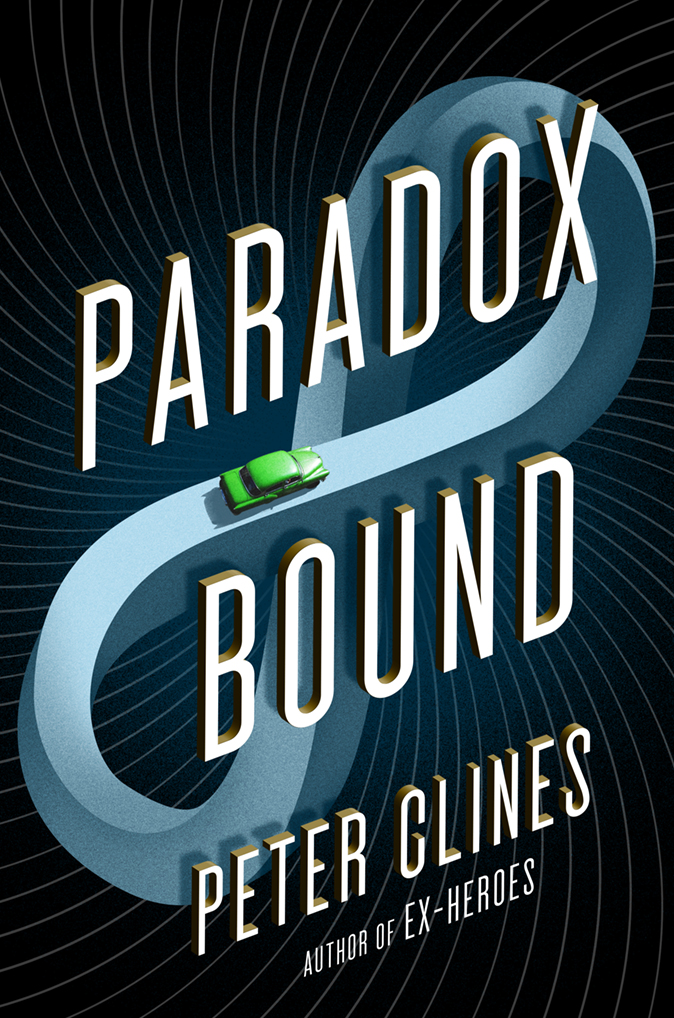
Paradox Bound I cut around 170 adverbs and adverbial phrases in my first editing pass. That’s almost a solid page of adverbs, gone. Search your manuscript for LY and see how many you find.
 Adjectives
—Some folks use a lot of adjectives to make normal, average things sound interesting. Coincidentally, these folks tend to have a poor vocabulary. So when I don’t know multiple words for, say,
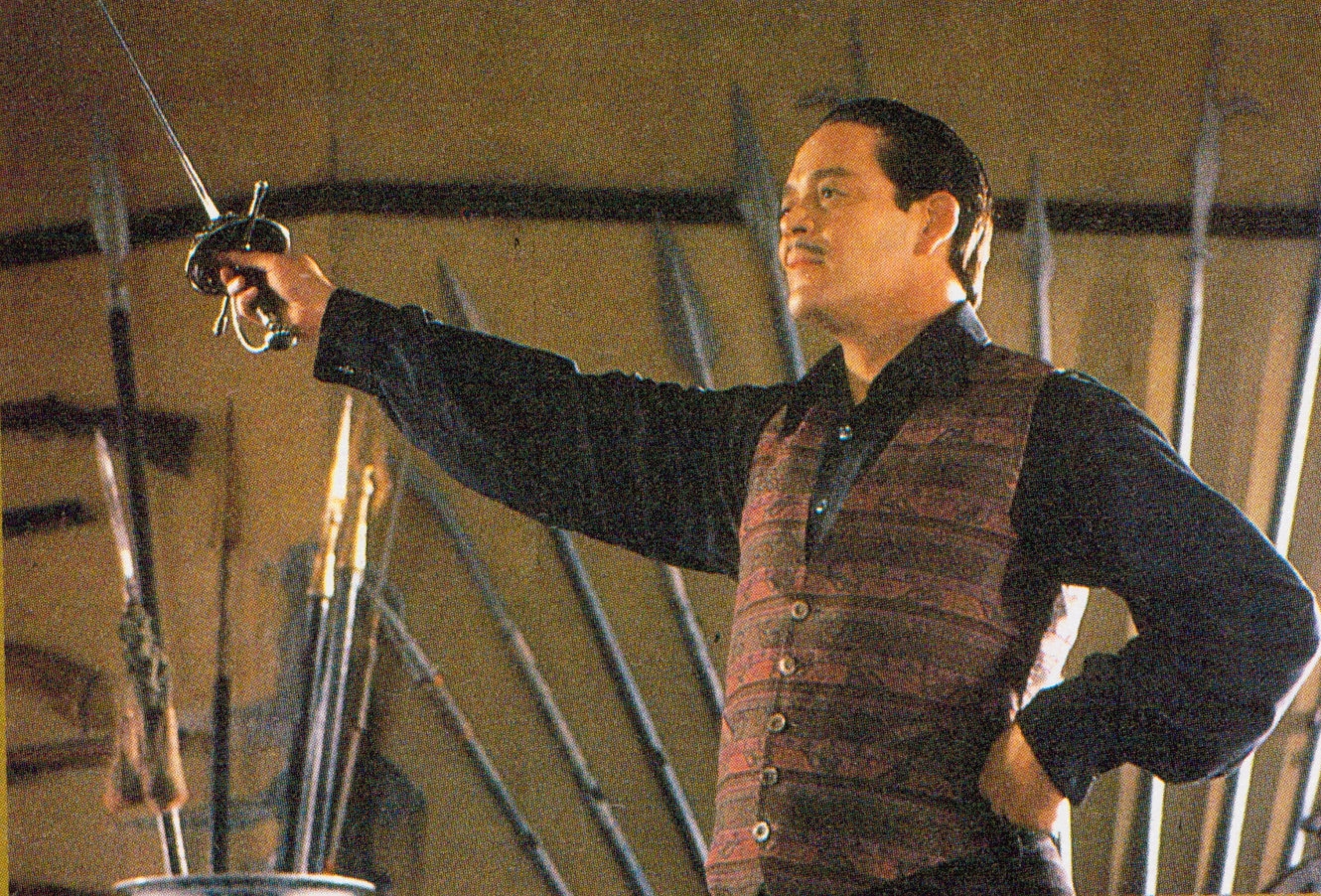
sword, I’ll just use multiple adjectives instead of blade, claymore, rapier, saber, foil, or falchion.
There’s an odd habit I’ve seen among fantasy writers—not only them, and not all of them by a long shot, but enough to make it worth mentioning. They use dozens of adjectives per page, if not per sentence. Often redundant ones like “gleaming chrome sword of pure silver.”
I was at a writing conference a few years back where writer/ editor Pat LaBrutto tossed put a pretty solid rule of thumb. One adverb per page, four adjectives per page. It’s only a guideline, yeah, but if I’m averaging fifteen to twenty adjectives per page… maybe I should give them all a second look.
That—People tend to drop that into their writing a lot, and a good three out of four times their writing would be tighter without it. I used to be a that junkie until someone pointed out how unnecessary it often is. Look at these sentences—it doesn’t add anything to them.
Phoebe could see that the two of them were meant to be together.
He punched her in the same arm that she had been shot in.
She knew that the Terminator would not stop—ever—until it had killed her.
Use the Find feature, search for uses of thatin your writing, and see how many of them are necessary. Odds are you’ll find more than half of them aren’t. I cut 132 that‘s from Paradox Bound—just over half a page.
(I’ve gotten better about adding them in to start with…)
Useless Modifiers — I’ve called this Somewhat Syndrome a few times in the past. This is another one I wrestle with a lot, although I like to tell myself I’ve gotten better about it. It’s when I pepper my writing with somewhat.., sort of…, a bit…, kind of…, and other such modifiers. I’d guess nine times out of ten they’re not doing anything except adding to my word count (not in the good way) and slowing my story (also not in the good way). Use the Find feature again and see how much tighter and stronger your story is without these.
I cut over two hundred of these from that first draft of Paradox Bound. That’s another full page gone.
Decided—This word’s almost always filler. Maybe not conscious filler, but it’s almost always filler that can be cut. If Wakko
decides to do somethingand then he does it, I’m just eating up words again. We all make hundreds of decisions and choices every day, but readers want to hear about
the action, not the decision to take an action. The action itself implies the decision was made.
Listen/ Look—If I start a line of dialogue with
look or listenI’d bet that almost 80% of the time it’s either an infodump or it’s stating something plainly apparent. Which means this dialogue is adding something that could be expressed through actions or subtext or any number of ways. Or it isn’t adding anything.
Obvious—If something isn’t
obvious, it comes across as arrogant to say it is. So I shouldn’t use the word
obvious, because the character (or writer) in question is going to look like a jerk. Which, granted, might be the point…
On the flipside, if something is obvious, then I still don’t need the word. Things that are obvious are… well, obvious, so it’s just wasted words for me to tell the readers about it.
 Seemed/Appeared/ Looked
 – I’ve talked about these words a few times before. They show up in phrases like “appeared to be,” “seemed to be,” “looked like,” and so on. The catch is,
seemed to be and its siblings don’t get used alone. They’re part of a literary construction where the second half of that structure is either an implied or actual contradiction to the appearance. So when I’m saying “Yakko seemed like the kind of man you didn’t want to mess with,” what I’m really saying is “Yakko seemed like the kind of man you didn’t want to mess with
but really he was a pushover who fainted at the sight of blood.” And what I
meant to say all along was just “Yakko was the kind of man you didn’t want to mess with.”
If I’m not trying to establish a contradiction, using appeared to be and the others isn’t just wasted words– it’s wrong. So cut them
As you know—I’ve talked about these three words
a few times before. They’re awful. Just awful. I won’t say this is the worst way to get the facts out to my readers—I have full confidence there’s someone out there now working on a worse way—but I’d put this in the 99-out-of-100 category.
If I’m saying “as you know” to you, it means you already know what I’m telling you… so why am I saying it? Why waste words blatantly stating something that
you and I both know? Yeah, maybe you’ve got amnesia, but if you do then you
don’t know… so why am I saying “as you know” to you?
If these three words pop up together more than once in my manuscript, odds are I’m doing something horribly wrong.
Was– I always search for
was, because it tends to point at weak verb structures. It’s when I’ve got “Phoebe was running” instead of just “Phoebe ran.” It’s a small tweak, but it’s one that gives my writing punch because it makes
all my actions read just a bit faster.
 The Word
—This is a tough one, because it’s going to depend on experience and
spending time going through my manuscript. I’ve found that a lot of times I’ll inadvertently reuse a word or simple phrase
again and again and again. It’s not really that odd—in the rush to get that first draft out, there are a lot of places I’m going to pick the first word that comes to mind. Might be a certain verb, might be a noun, might be an adjective. In
Paradox Bound it was
glared. Lots of people glared in the early drafts of that book. At each other. At objects. Out at the uncaring universe…
Keep an eye out for your word.
And there’s eleven things I always search for and slice away. Editing made simple. Well, some of the editing.
One type of editing.
And this was so much longer than I’d planned. So sorry.
By the way, if you’re in the SoCal area, this Sunday is the Writers Coffeehouse. We’ll be meeting noon to 3:00 at our usual hangout,
Dark Delicacies in Burbank. Swing by, hang out and join us as we talk (this month) about creating great characters. Or just lurk.
Next time… I had a few thoughts about genre and devices and structures you might find kind of interesting.
Until then, go write.

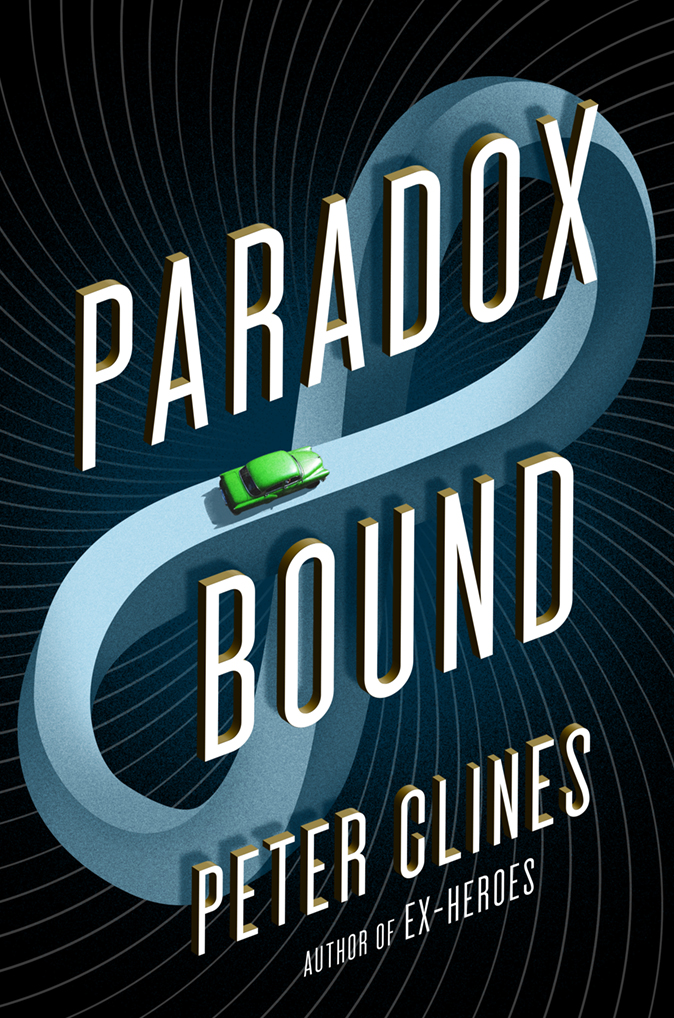 Anyway, go over to the PRH website before Thursday, August 31st and enter your info and you’re now in the hat to be selected for one of a hundred bound galleys of Paradox Bound. Totally free. No surveys or mailing lists. Unless you want to be on the mailing list. There’s a tab for that.